
Food History
Food History Research Guide
The William L. Clements Library’s holdings related to the history of food and diet span the library’s four divisions. Particular strengths include manuscript and printed recipe books, financial account books documenting the trade of foodstuffs, manuscript and printed materials on alternative diets and health movements, and food-related ephemera like trade cards and advertisements. The financial records of general store owners, tavern keepers, and grocers provide insights into the pricing and barter of goods at a local level, while those kept by merchants document trends in international shipping and transatlantic trade. Printed items relating to agriculture and food production include periodicals, manuals, almanacs, maps, and materials published by federal and state agricultural boards.
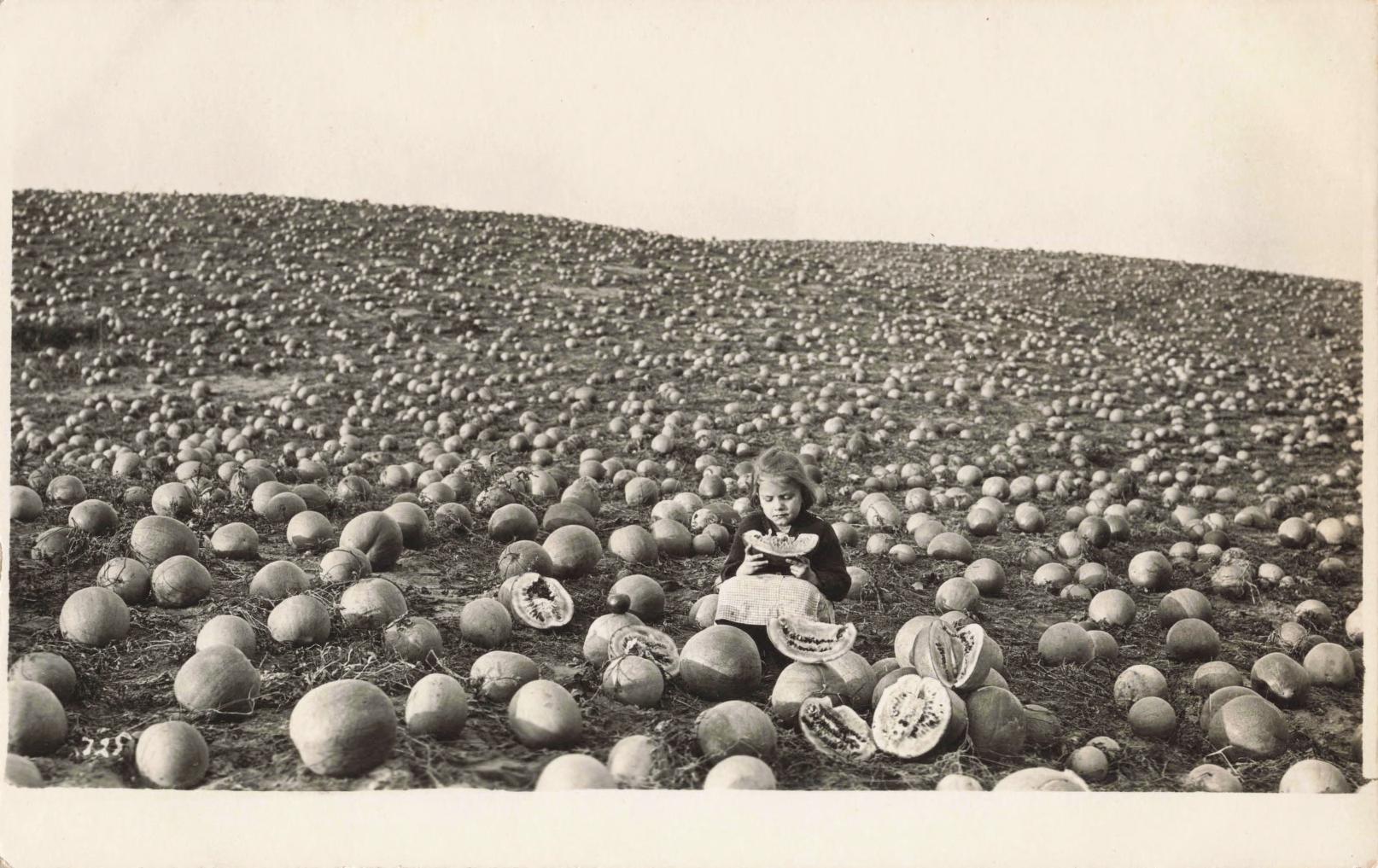
This research guide is intended to offer a broad overview of holdings at the Clements Library related to food history. It is meant as a starting point for researchers interested in this topic, not an exhaustive list of all relevant materials. The Janice Bluestein Longone Culinary Archive was once held at the Clements Library, but can now be accessed at U-M’s Special Collections Research Center. If you have any questions about this guide or our holdings please contact us here.
The William L. Clements Library offers fellowships to help scholars access the Library’s rich primary source collections for research. The Norton Strange Townshend Fellowship, Jacob M. Price Dissertation Fellowship, Ephemera Society of America Fellowship, and other week-long and short-term fellowships specifically support research projects related to food history. Visit the Fellowships website for information regarding application information and deadlines.
Highlights from the Clements Collections
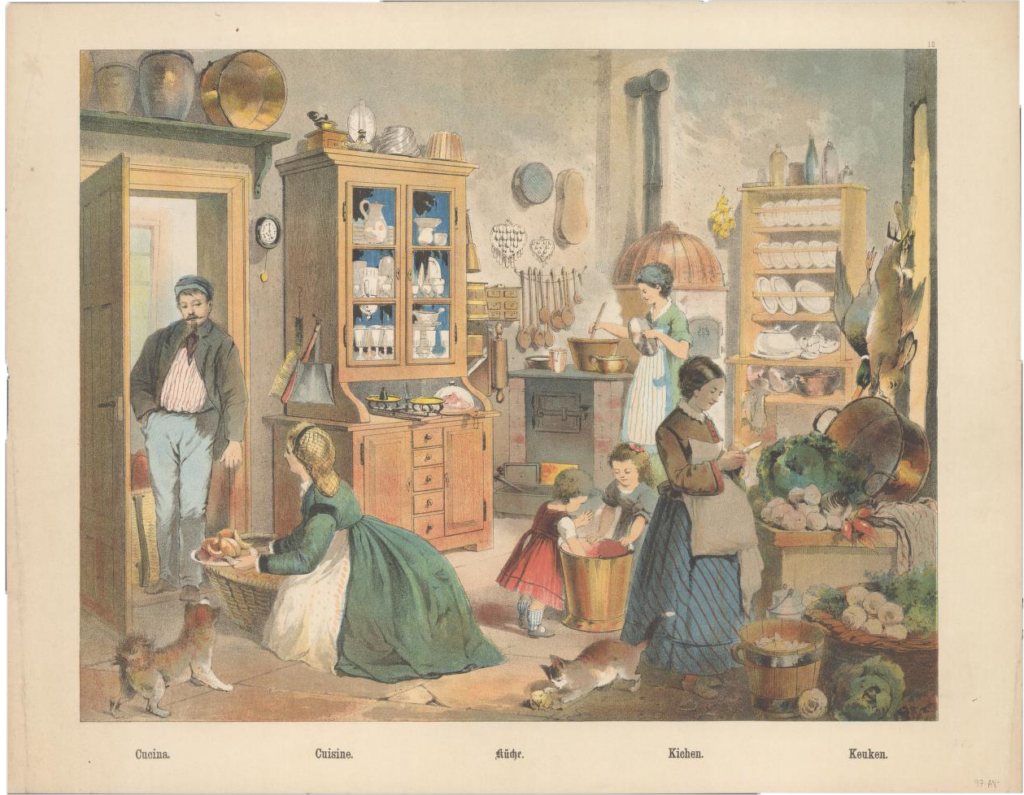
Manuscript Recipe Book collection, 1793-1959 (majority within 19th century)
This collection comprises 31 American manuscript recipe books, with the bulk dating from the 19th century. Desserts represent the bulk of the recipes, cakes being the most popular. Directions for making medicinal remedies and practical household needs (such as cleaning product recipes or advice on fabric care) may also be included. Many volumes contain handwritten or printed inserts.
Eliza C. Kane cookery manuscript, [1840s-1850s]
Eliza C. Kane of New York City collected recipes, business cards, and other material in this volume around the 1840s-1850s. The recipes pertain to baked goods, food preparation and storage, and household products.
General Ephemera Collection, 1700s-1900s
The General Ephemera collection consists of approximately 14,235 items representing over fifty different genres of ephemeral material. Advertisements like trade cards, pamphlets, and small broadsides are organized by topic in Series I. Relevant materials include advertisements for farming and gardening products (Box 5), food products (Boxes 6 and 7), restaurants and alcohol (Box 9), kitchen furnishings (Box 10). Oversized materials relating to these topics can be found in Boxes 81 and 82. Finally, menus can be found in Boxes 31, 32, and 87.
Graham family papers, 1731-1849
The Graham family papers contain an assortment of letters, documents, and diaries relating to John Graham, Sr., and Jr., and to Sylvester Graham. Each man was a prominent physician and minister, though Sylvester was more famous for his Grahamite philosophy. Grahamism stressed the benefits of complete abstention from alcohol, tobacco, and meat, and advocated the consumption of coarse-grained bread more than 12 hours old, fruits, and vegetables. Series V: Manuscript Writings contains numerous essays on health and diet.
Lyman Wheeler diaries, 1852-1855
Lyman Wheeler of western New York wrote two diaries from February 1852 to June 1855, recording his experiences as a house painter, teacher, and adherent of medical practices like phrenology, hydrotherapy, vegetarianism, and the Graham diet. He wrote of his social, intellectual, and professional activities in the region, and described trips he took to cities and towns in western New York and New York City.
City Directory Advertisement Collection, ca. 1870-1939
The City Directory Advertisement collection consists of approx. 9,200 individual sheets and pamphlets taken from city directories for American cities. Over 300 subjects are represented both visually and textually. Thus, some materials have been placed into a particular category strictly as a result of their visual components. Advertisements relating to food and agriculture can be found in Series II (Subjects), Boxes 12-14, 24, and 30-33.
Gerald T. and Charlotte B. Maxson Printed Ephemera Collection, ca. 1750s-1999 (majority within 1850s-1900)
The Gerald T. and Charlotte B. Maxson printed ephemera collection contains over 5,000 pieces of assorted ephemera, the majority of which were commercially printed in the United States during the mid to late 19th-century. Consult the Maxson Collection Subject Index to find visual and commercial content related to food.
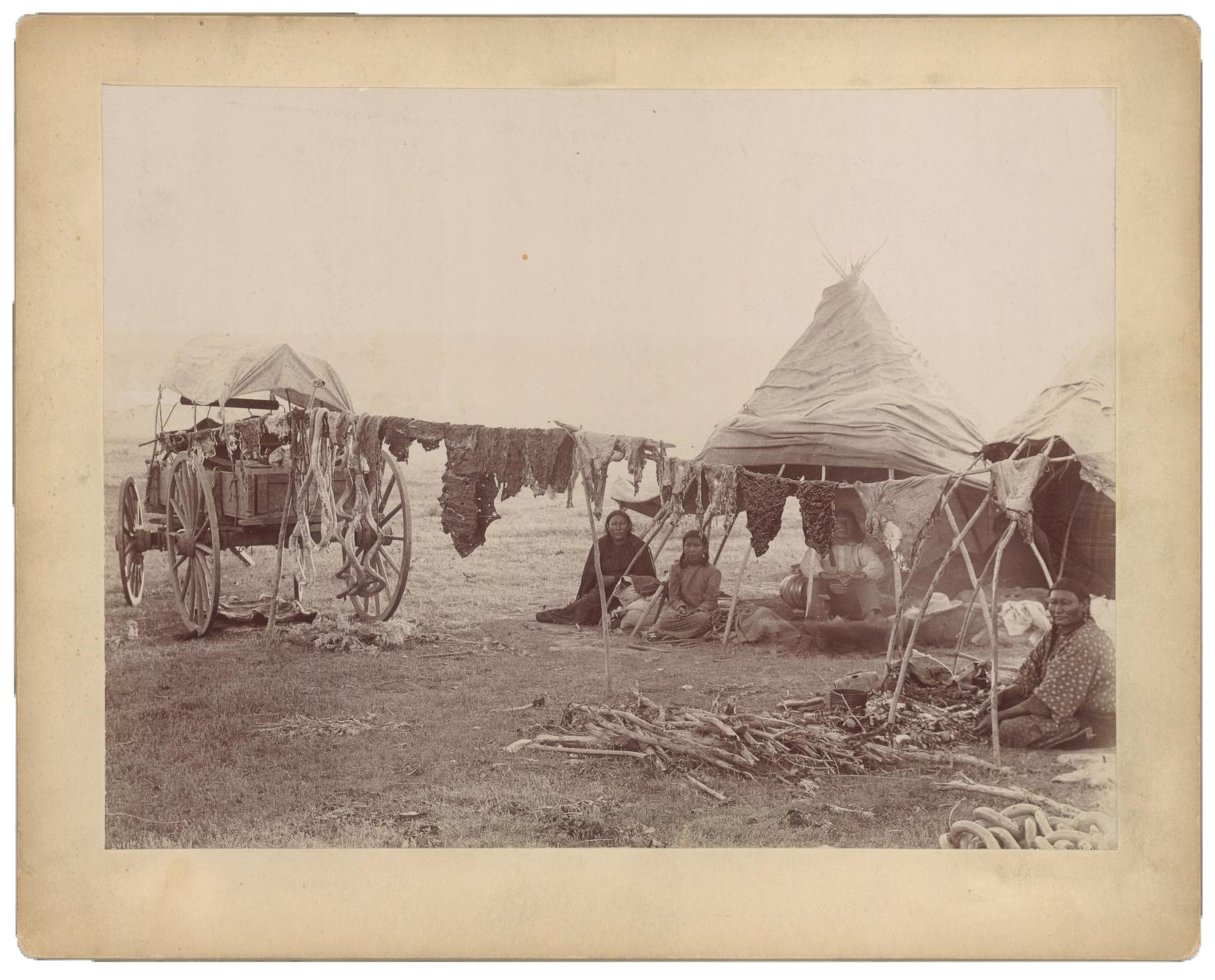
Ralph Forrester account book, 1778-1795
The Ralph Forrester account book (62 pages) contains the accounts of a Pennsylvania farmer who supplied food to the Continental army during the Revolutionary war. The accounts document agricultural and economic activity in rural Pennsylvania at the end of the 18th century.
True family account book and family history, 1761-1771, 1848-1863
This account book kept largely by Jacob, Anne, and Anna True consists of records relating to their family business in Salisbury, Massachusetts. The True family ran a multi-purpose organization and operated it as a tavern, inn, bank, and store for foodstuffs and other goods. They sold foods, including veal, salt, sugar, molasses, turnips, pork, fish, and more. Clients paid by cash, labor, or barter.
Cozzens House Hotel collection, 1866-1868
This collection contains 137 receipts, bills, and checks related to the initial furnishing and continuing supply of food for the Cozzens House Hotel in Omaha, Nebraska, between 1867 and 1868. Early documents include an account for the purchase of glassware, serving dishes, furniture, and décor. Later material concerns food, beverages, and ice.
Newton & Gordon collection, 1762-1838 (majority within 1762-1775, 1815-1820)
This collection contains incoming business correspondence to the Madeira merchant firm Newton & Gordon (also Newton, Gordon & Johnston and Newton, Gordon & Murdoch). Correspondents from New York and Virginia discussed international trade, finances, and the prices of foodstuffs and wine in the late 18th and early 19th centuries.
Tailyour family papers, 1743-2003 (majority within 1780-1840)
The collection focuses primarily on John Tailyour, a Scottish merchant who traveled to North America and Jamaica in the 1770s and 1780s to conduct business, before finally returning to his home in Scotland in 1792. His correspondence is heavily business related, centering especially on his trading of enslaved people, foodstuffs, and sundry goods. Later business letters and account books (ca. 1815-1840) detail the estate’s expense accounts and receipts, as well as the balances for their annual crops, salmon fishing business, and profits derived from the rents collected on their land. Six hunting books contain descriptive accounts of the family’s hunts.
David P. Gerberich family account book and recipe book, 1840-1888
This volume contains financial records pertaining to David P. Gerberich of Niles, Michigan, as well as other accounts and recipes. Daybook accounts pertain to sales of whiskey, ales, and foodstuffs across Washington, Illinois, and Howard, Michigan. The volume also includes culinary, medicinal, and household recipes.
William Skinner papers, 1768-1779 (majority within 1778)
The Skinner papers consist primarily of bills and receipts from London merchants for assorted household expenses. Colonel William Skinner’s diet is documented through accounts with butchers, grocers, tea dealers, “oylmen,” barmen, dealers in bran and oats, and cheesemen. Each account lists the individual items Skinner purchased from cuts of meat to types of tea. Digitized portions of this collection can be found here.
Stephen Gore correspondence, 1836-1844
This collection comprises 28 letters addressed to Stephen Gore, a grocer and merchant in St. Louis, Missouri, ca.1836-1844. They include letters from business and family connections. They discussed trade in coffee, brandy, gin, flour, candles, oil, and other goods, as well as the business climates, particularly in the Boston area and St. Louis.
Subject Headings & Keywords
To find materials on food history in our holdings, search by Subject Headings in our catalog or finding aids. We suggest combining search headings with other keywords of interest or relevance to your research. Additionally, “Cooking” can be subdivided into narrower subject headings like “Cooking, American,” “Cooking, French,” or “Cooking–Study and teaching.” The following subject headings and keywords may be particularly productive as a starting point:
Subject Headings
- Agriculture.
- Almanacs.
- Baking.
- Cakes.
- Canning and preserving.
- Carving (Meat, etc.)
- Cattle.
- Coffee.
- Community cookbooks.
- Confectionery.
- Cookbooks.
- Cooking.
- Cooking, American.
- Cooking, English.
- Cooking for the sick.
- Cooking, French.
- Cooking--Study and teaching.
- Culinary Collection.
- Desserts.
- Diet.
- Digestion.
- Dinners and dining.
- Farms.
- Fishing.
- Fruit.
- Food.
- Food habits.
- Food supply.
- Formulas, recipes, etc.
- Gardening.
- General stores.
- Handbooks, manuals, etc.
- Health.
- Herbal treatments.
- Herbs--Therapeutic use.
- Home economics.
- Homeopathy.
- Hunting.
- Kitchen utensils.
- Livestock.
- Low budget cooking.
- Meat.
- Menus.
- Nutrition.
- Pastry.
- Plantations.
- Pork.
- Rationing.
- Spices.
- Swine.
- Tea.
- Vegetarianism.
- Viticulture.
- World War, 1914-1918--Food supply--United States--Posters.
Keywords
- Bread
- Cooking
- Corn
- Crops
- Culinary
- Department of Agriculture
- Dining room
- Dry goods
- Food
- Foodstuffs
- Kitchen
- Market
- Meal
- Recipe
- Restaurant
- Sugar
- Tavern
- Vegetables
Digital Resources
Digitized Archival Collections
Other Digital Resources
- Online Exhibit: “Honest Independence”: Agriculture and Educating the Farmer
- Online Exhibit: Building on a Century of Collecting at the Clements Library: Pair 20: We Are What We Ate
- Article in Quarto #17 (pg. 9-10): Columbian Fare
- Quarto #23: Please Come to the Table
- Article in Quarto #26 (pg. 10-13): An A to Z of Regional and Ethnic Culinary Traditions
- Article in Quarto #29 (pg. 8-10): Of Men and Markets
- Article in Quarto #31 (pg. 11-13): A Beautiful and Fruitful Place: Dutch Contributions to the American Table
- Article in Quarto #32 (p. 12-13): Native American Food and Food Ways
- Article in Quarto #34 (p.7-9): “Learning How to Cook and Kill at the Same Time”: Cookery in the American Civil War
- Article in Quarto #36 (pg. 9-11): Islands of Sugar
- Article in Quarto #38 (p. 7-8): Give Jack His Grog
- Bookworm #27: Art, Food, and the Politics of Race in the Age of American Expansion
- Bookworm #45: Classic Food and Restaurants of the Upper Peninsula
- Blog post: Today in History: Thanksgiving during the Civil War, November 24, 1864
- Blog post: From the Stacks: Gone Fishin’
- Blog post: From the Stacks: Wartime Cookery
- Blog post: Staff Favorite: Domestic Fiction
- Blog post: Mapping Sugar Production
- Blog post: Potato Power: The Magic of Autochromes
- Blog post: [Transcriptions]: Trading Pumpkins for Medical Care in 1850s New Hampshire
Last Updated 10/09/26