
Women and Gender
Women and Gender Research Guide
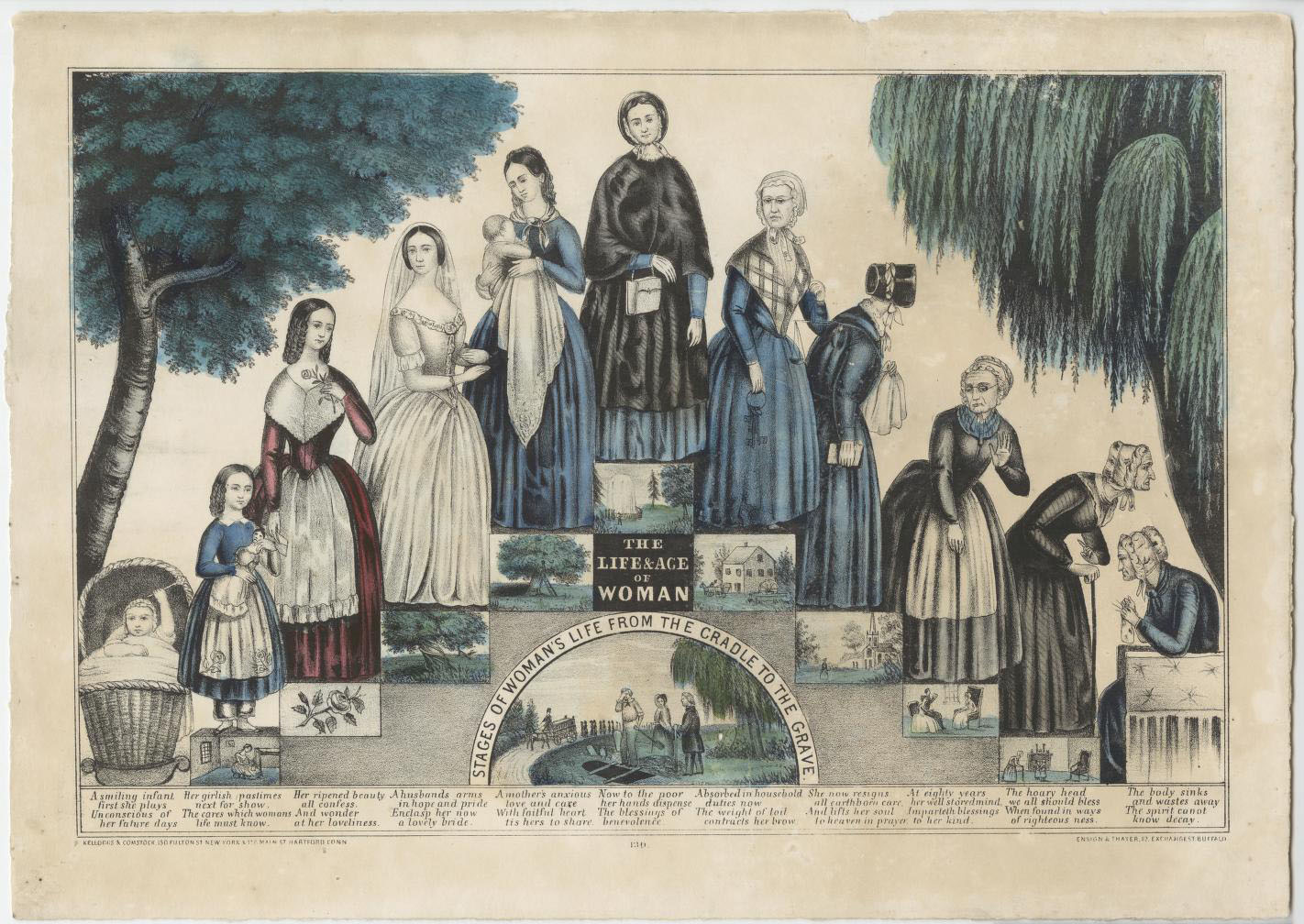
The collections at the William L. Clements Library document the varied and rich histories of women, sexuality, and gender studies in the Americas. Collection strengths include the subject areas of social reform and advocacy, particularly the leadership of women in antislavery and temperance movements; religion and spiritualism, including missionaries, Quakers, Shakers, and nuns; women’s education and teaching; female authors and poets; and women’s societies and organizations. Queerness is represented within the Clements collections, particularly gender deviance and non-conformity, asexuality, and same-sex attraction. Material formats most prominently pertaining to the study of gender and sexuality include books, manuscripts, broadsides, pictorial and visual materials such as prints and photographs, and musical scores & sheet music.
Materials across our divisions grant different entry points to explore how people have experienced, interpreted, and recorded their lives, identities, and relationships in history. This is not an exhaustive list of all relevant materials. For example, larger manuscript collections may not stand out as “women’s papers” but often contain important sources for the study of women’s and LGBTQ+ history. If you have any questions about this guide or our holdings, please contact us here.
We acknowledge that many of the terms we use today to describe gender and sexuality were not used in the early United States, and as such, materials may be indexed under terms that people would not have used to describe themselves.
The William L. Clements Library offers fellowships to help scholars access the Library’s rich primary source collections for research, including week-long and short-term fellowships that specifically support research projects related to women and gender. Visit the Fellowships website for information regarding application information and deadlines.
Highlights from the Clements Collections
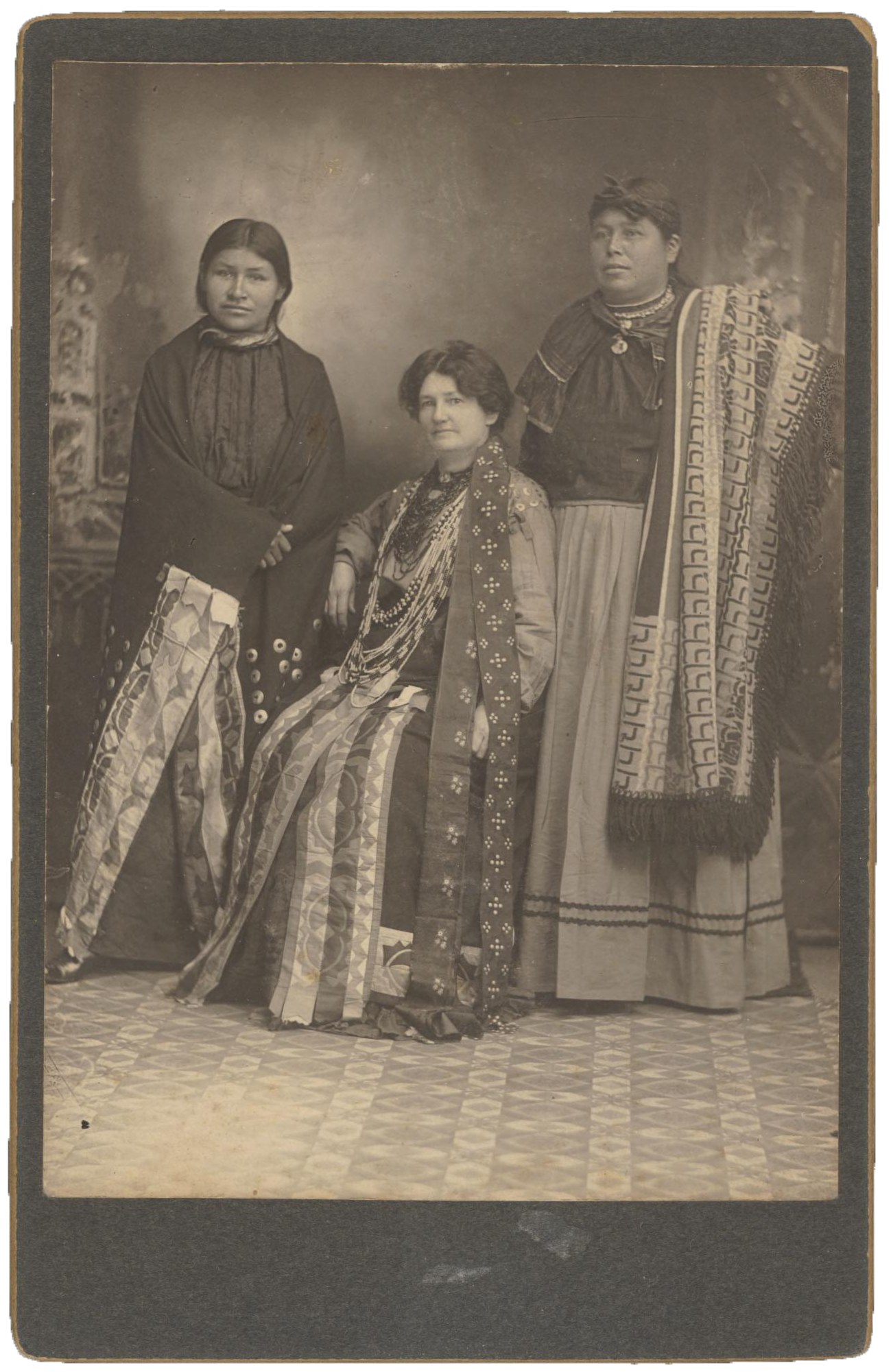
Women, Gender, and Family collection, 1678-1996 (majority within 1800-1906)
The Clements holds letters, poetry, and particularly legal documents pertaining to marriage, child support, women’s education, social status such as chastity and pregnancy out of wedlock, land ownership, widowhood, women’s work, and courtship. It was formerly titled the Women’s History collection.
Weld-Grimké family papers, 1740-1930 (majority within 1825-1899)
This collection holds material related to the lives of members of the Weld-Grimké family, including Sarah & Angelina Grimké and Theodore Weld. Although anti-slavery movements and abolitionism are central themes in the papers, the collection also holds material on women’s rights, the American Colonization Society, temperance, religious introspection, and education, among others.
History of Jemima Wilkinson, a Preacheress of the Eighteenth Century…
A biography of Jemima Wilkinson, who was reborn in 1776 as the Public Universal Friend, a genderless evangelist, after recovering from a serious illness.
Emily Howland papers, 1849-1974 (majority within 1850s-1920s)
Emily Howland of Sherwood, New York worked to advance abolition, African American education, and women’s rights and suffrage. Her letter, writings, original art, and ephemera reflect these varied reform movements and her long-standing relationships with movement leaders.
Same-Sex Affection and Gender Studies Photograph Collection, ca. 1850s-1940s
Examples of photographs collected by Mark Anderson that illustrate closeness between subjects as well as aspects of non-traditional gender presentation, including portraits of men posing familiarly with other men, women posing familiarly with other women, and portraits of groups and individuals engaged in cross-dressing.
Memphis riots and massacres. July 25, 1866.
This report contains what is thought to be the first Congressional testimony given by a transgender person. Frances Thompson was a formerly enslaved black woman, who was arrested years later for cross-dressing.
Marital power exemplified in Mrs. Packard's trial, and self-defence from the charge of insanity.
A full report of the trial of Mrs. E.P.W. Packard under the habeas corpus act, to be discharged from imprisonment by her husband in their house, as written herself.
Clara L. Walmer diaries, 1870-1871
Clara Walmer documents her ongoing struggle with an undesired suitor and his consistent pursuit against her will. She chronicled their interactions as she balanced her civil treatment of him as a family friend while actively resisting increasingly forceful physical assaults, battery, and manipulation.
Samuel W. Bragg Obstetric Practice record, 1879-1909
This volume is made up of Dr. Samuel Watson Bragg’s entries regarding his obstetrics practice in Burlington and Lincoln, Maine. Alongside childbirth, Dr. Bragg noted purposeful or accidental abortions and miscarriages, and in some cases the deaths of mothers.
Elsie F. Weil collection, 1897-1926 (majority within 1913-1926)
Elsie F. Weil had a longtime professional and close personal relationship with fellow writer Gertrude Emerson, beginning in 1914; they traveled together and shared an apartment in New York City. Their correspondence includes passionate declarations of love and affection. Emerson later married Basiswar Sen India in 1932.
Stark family papers, 1913-1929 (majority within 1920-1923)
The Stark family papers are comprised largely of the newlywed correspondence of lithographer Eugene R. and Catherine Dehn Stark. The couple lived apart during the three years following their marriage so Eugene could take a job in Springfield. During this period, the couple wrote deeply affectionate and sexually explicit letters.
Geo. F. Mahoney journal, 1930-1932
The Geo. F. Mahoney journal pertains to Mahoney’s travels around the western United States from 1930-1932. Entries discuss their experiences with poverty, finding shelter, and their gender identity. Mahoney describes cross-dressing and clothing ambiguity during travel.
Subject Headings & Keywords
Subject Headings
- Abortion.
- Adultery.
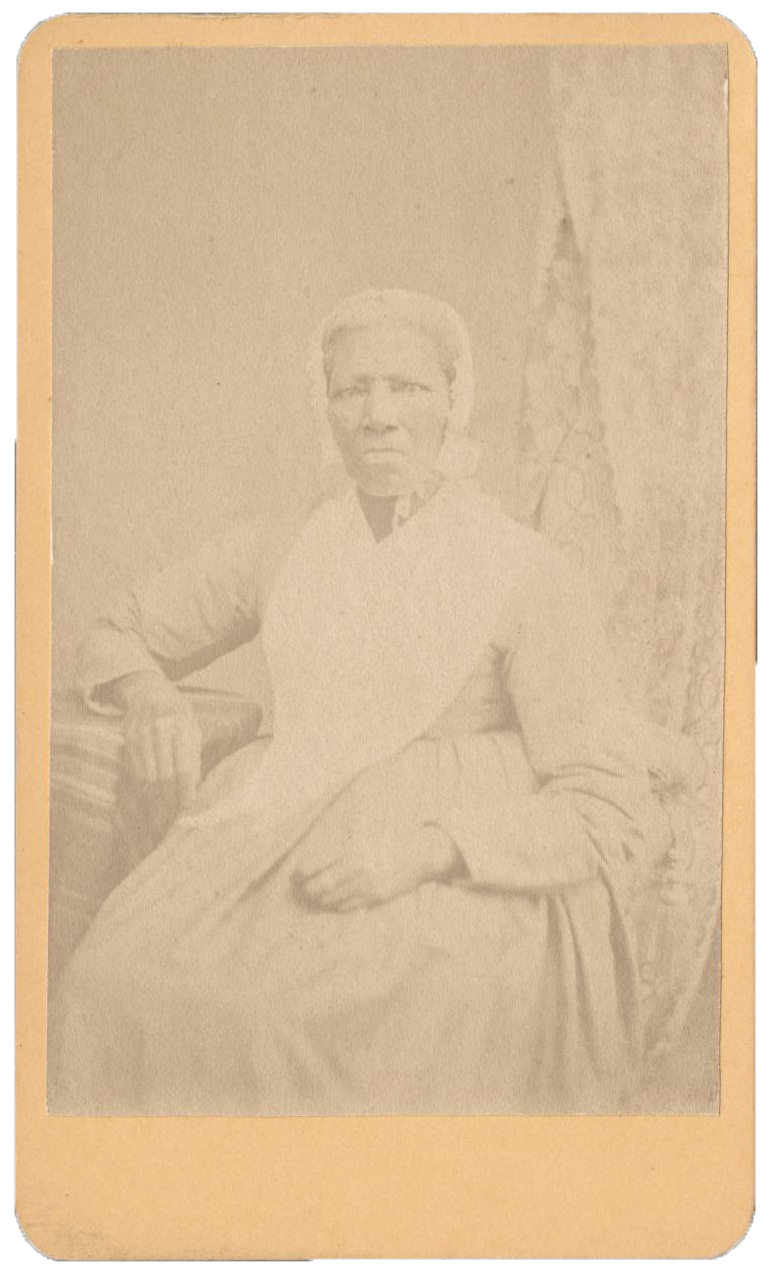
- African American women.
- African American women--Biography.
- Birth control.
- Child rearing.
- Christian women.
- Cross dressing.
- Conduct of life.
- Divorce.
- Domestic relations.
- Enslaved women.
- Female friendship.
- Feminists.
- Filicide.
- Free love.
- Gender roles.
- Girls--Conduct of life.
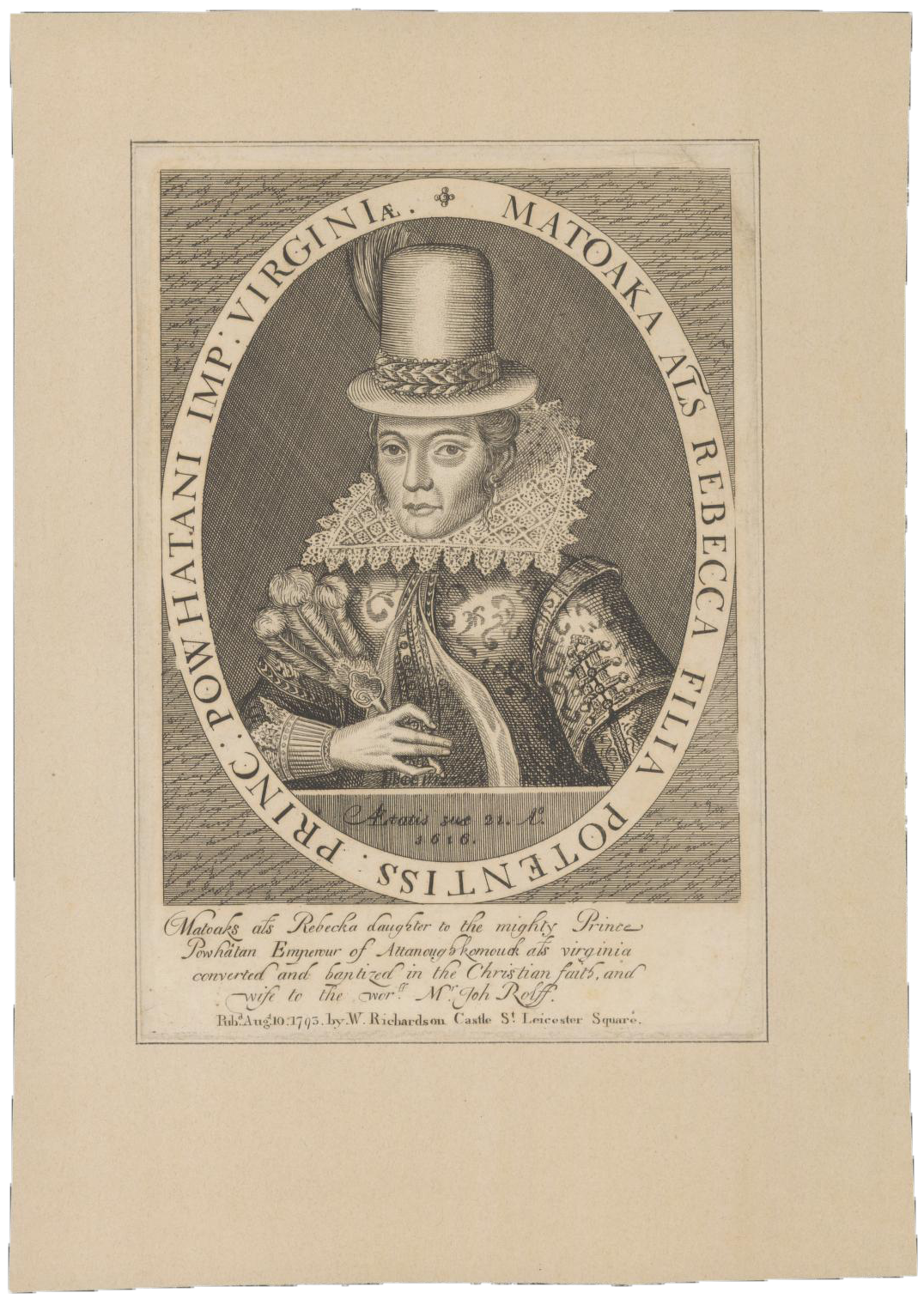
- Indigenous women.
- Legal status, laws, etc.
- LGBTQ+
- Love.
- Male impersonators.
- Marriage.
- Mentally ill women.
- Mental illness.
- Obstetrics.
- Prostitution.
- Sex instruction.
- Sex workers.
- Sexual ethics.
- Sexual health.
- Sexual minorities.
- Social and moral questions.
- Society of Friends.
- Suffragists.
- United States--History--Civil War, 1861-1865--Women.
- United States--History--Revolution, 1775-1783--Women.
- Uxoricide.
- Witchcraft.
- Wives--Conduct of life.
- Women college students.
- Women authors.
- Women journalists.
- Women physicians.
- Women pioneers.
- Women printers.
- Women travelers.
- Women Social Reformers.
- Women--Education.
- Women--Employment.
- Women--Legal status, laws, etc.
- Women--Societies and clubs.
- Women--Suffrage.
- World War, 1939-1945--Women.
- Women’s movement.
- Women’s periodicals.
- Women’s rights.
Keywords
- American women
- Childbirth
- Chinese women
- Female American
- Female review
- Female seminary
- Gender
- Homosexuality
- Indian women
- Japanese women
- Jewish women
- Ladies
- Lady
- Marriage law
- National Women’s Association
- Nude
- Servants
- Widow
- Women’s Union
Digital Resources
Digitized Archival Collections
- A general history of the pyrates, with the remarkable actions and adventures of the two female pyrates Mary Read and Anne Bonny, by Captain Charles Johnson
- Harriet DeGarmo Fuller papers, 1852-1857
- How to win: A book for girls, by Frances E. Willard, president of the National Woman’s Christian Temperance Union.
- Louise Gilman Papers, 1866-1869
- Lydia Maria Child Papers, 1831-1894
- Maria M. Churchill Journals, 1845-1848
- Marie Taber Logbook and Journal, 1853-1861
- Rochester Ladies’ Anti-Slavery Society Papers, 1848-1868
- Trial of Sam’l M. Andrews for the murder of Cornelius Holmes, in Kingston, Mass., May 26, 1868
Other Digital Resources
- Online Exhibit: “So Once Were We”: Mourning Fashion
- Online Exhibit: “Honest Independence”: Margaret Bailey Townshend
- Online Exhibit: American Encounters: Indian Queens and Indian Princesses: Allegorical Representations of America
- Online Exhibit: Family Secrets: Uncovering Identity in 19th Century America
- Online Exhibit: The Art of Resistance in Early America
- Quarto #3: America in a Mirror: Caricature as History
- Quarto #14: Women’s History at the Clements Library
- Quarto #37: [Education] Reading, Writing, and ‘Rithmetic
- Article in Quarto #57: “Who Knows but a Woman May One Day Preside Here”
- Lecture Playlist: Women’s History at the Clements
- Blog post: Staff Favorite: 1743 Book on Longitude by Woman Scientist
- Blog post: From the Stacks: Love, Sex, and Women’s Rights
- Blog post: Women’s History Month: Women in Men’s Clothing
- Blog post: Women’s Voices from the Starry Family Correspondence
- Blog post: Susy’s Breast and Material History
- Blog post: [Transcriptions]: Grimké and Weld Women Vote in Hyde Park, Massachusetts, March 7, 1870
- Blog post: Collection Deep Dive: The Weld-Grimké Quilt
Last Updated 11/18/26