
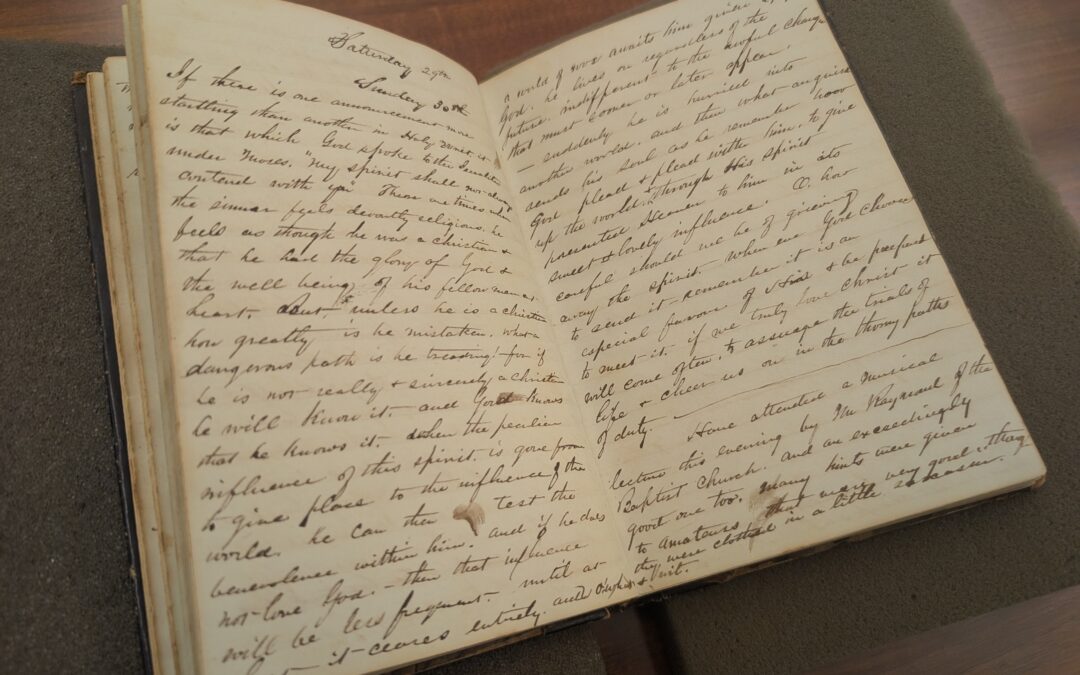
New Manuscripts Finding Aids, December 2024
The Manuscripts Department has been hard at work making historic hand-written materials available for research. Check out sixteen new finding aids published this past December!
The Manuscripts Department has been hard at work making historic hand-written materials available for research. Check out sixteen new finding aids published this past December!

One of the many professions represented in the wealth of account books at the Clements Library is that of the country doctor. Here, for example, is a page from the ledger of Dr. Josiah Morse of Stewartstown, New Hampshire, whose patient network extended well beyond the boundaries of his hometown. The following transcribed excerpt shows interactions between John Lamphier of Canaan, Vermont, and Dr. Morse.

The past year has been an incredibly busy time for the Clements Library’s Graphics Division, with over 80 new finding aids having been created for a variety of collections that can now be requested for use in the reading room. Let’s take a look at a few highlights!

Lee Rucker Keiser writes about her mother, Marion E. Grusky Rucker, a World War II veteran, teacher, and beloved family member. Read about Marion’s service in the U.S. Navy, teaching abroad, and Lee’s decision to donate her mother’s papers to the William L. Clements Library.

Sarah Grimké Weld was 25 years old when she wrote the following letter to William Hamilton. She, along with her mother Angelina Weld and aunt Sarah M. Grimké marched with around 50 other women to vote in local elections at Hyde Park on March 7, 1870. In this letter to her friend and future husband, she explained the significance and purpose of the vote, commented on her dentist’s affection for her (which she rejected), and updated him on her work at the Woman’s Journal.

Read a letter written by John P. Varnum, a 26-year-old who tried to establish a political and legal career in Florida in the 1870s. During the 1880 U.S. election, Varnum collected and counted ballots in Madison County, Florida. In this harrowing letter to his wife Josephine, Varnum described crowds of African American men protecting him against violence, and coordinated efforts to suppress Black votes through deception, fraudulent voting, and attempted murder. He wrote about calls for recounts and ballots printed on different types of paper to allow blindfolded men to favor one party over the other for discarding.

Remember those attendance awards in elementary school? Recognition of student achievement is nothing new. Graduate student assistant Annika Dekker writes about Rewards of Merit, awards given to students or young people to recognize and congratulate them on an achievement, usually academic. These awards started in the 1600s, and have continued today. Learn more about the Rewards of Merit housed here at the Clements Library!
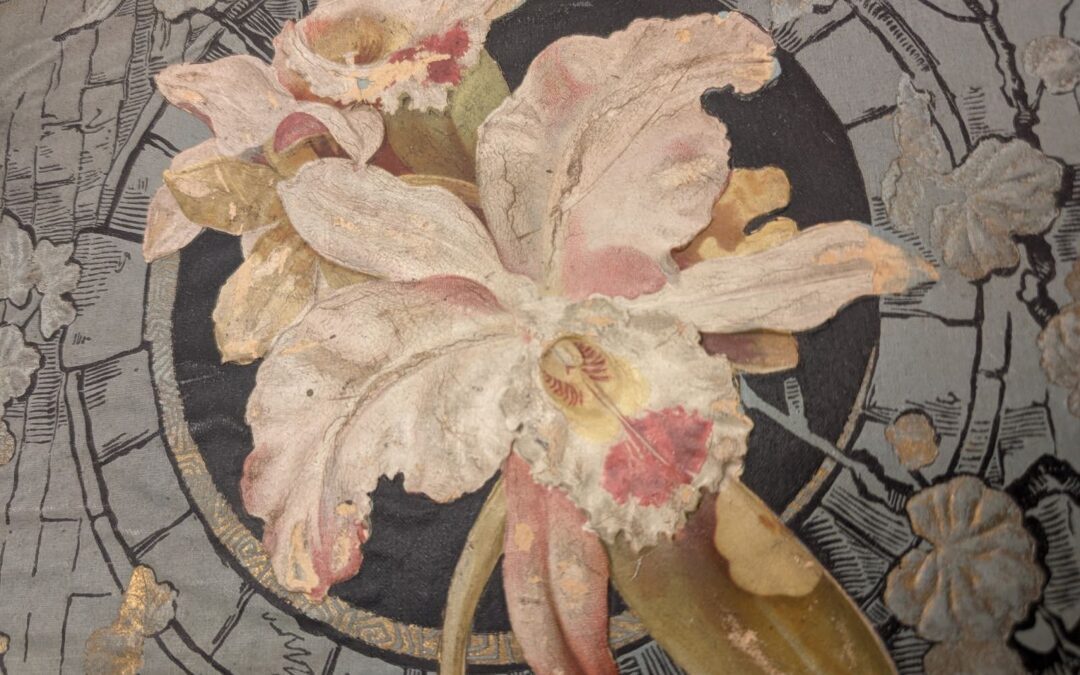
Explore these 25 new finding aids published in the summer of 2024. The collection continues to grow in exciting ways, ranging from a visually rich archive of an inventor advertising and selling his wares to the case notes kept by a woman advocating for the care of children in Washington, D.C. Should anything prove relevant to your interests, don’t hesitate to plan a research visit or contact us to learn more.

Buried within a small, leather-bound memorandum book that’s part of the Hudson’s Bay Company materials at the William L. Clements Library lies a two-page map, charted circa 1779 by John Thomas of London, depicting a consequential but nonexistent waterway connecting Lake Superior with Hudson’s Bay. The search for this fictitious waterway led to the aggressive expansion of the HBC. Read on to learn more.