by Sam Huck | Sep 16, 2026 | Collections, Exhibits, News
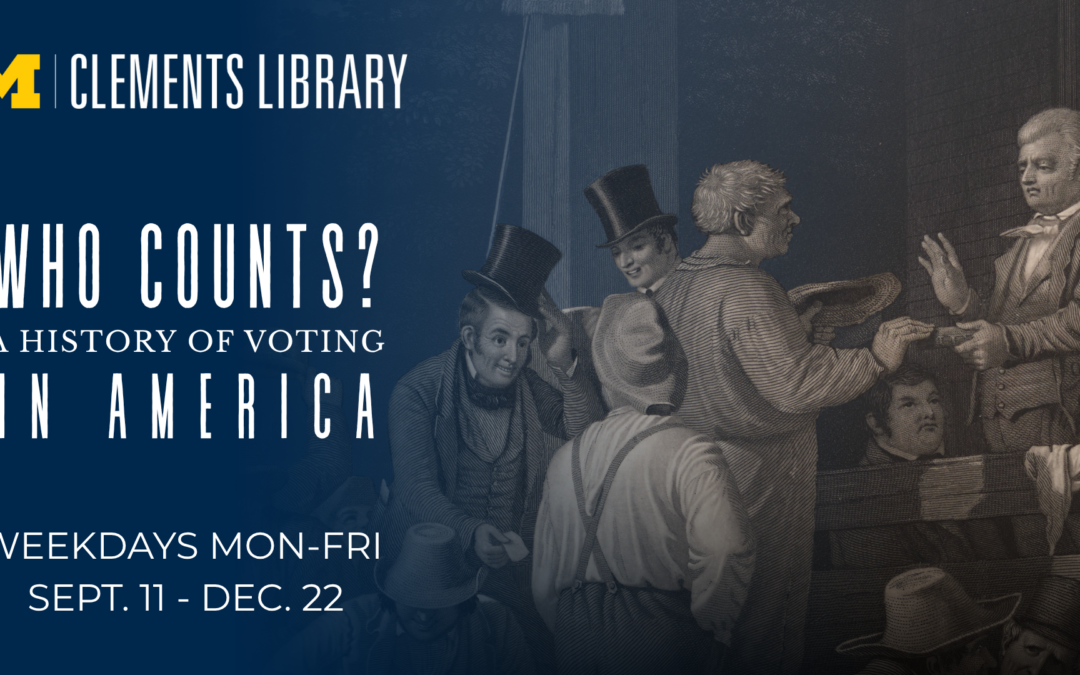
While the word “vote” appears in the United States Constitution 36 times, the meaning and practice of voting has undergone much transformation since the document’s writing. Changes over the course of the nineteenth century influenced how Americans voted and affected the material culture that surrounded voting. Our new exhibition, Who Counts? A History of Voting in America explores civic engagement, the evolution of the electorate, and the experiences of voters on election day throughout American history.
by Isaac Burgdorf | Sep 4, 2026 | Exhibits
Who Counts? A History of Voting in America was co-curated by Randolph G. Adams Director of the Clements Library Paul J. Erickson and Librarian for Instruction and Engagement Maggie Vanderford. Special thanks to Landon Myers of U-M’s Center for Democracy & Civic Empowerment for loaning materials for display.
by Isaac Burgdorf | Sep 4, 2026 | Exhibits
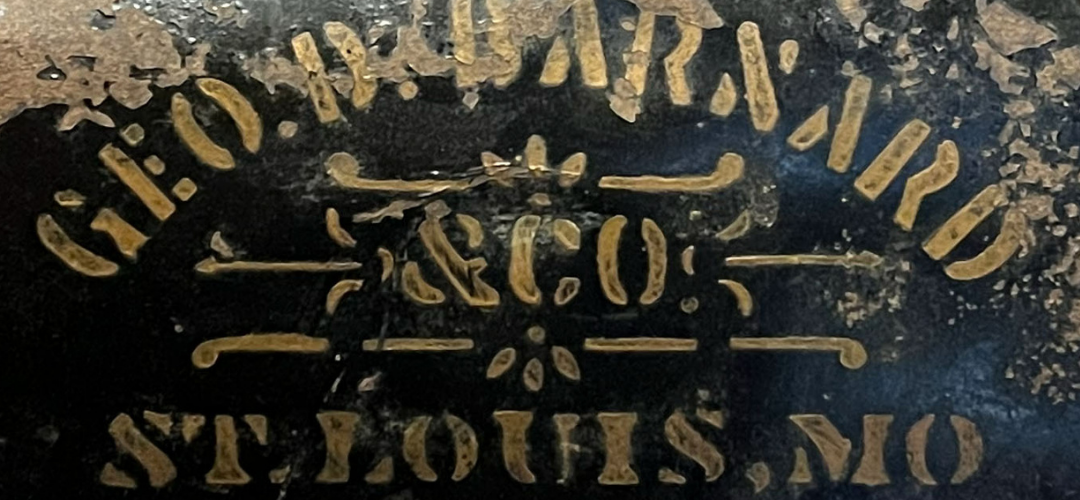
The “ballot box” came to be the sacrosanct artifact of American electoral culture relatively early in the nineteenth century. As the repository of the collective voice of the community, the ballot box held enormous symbolic power as well as practical importance. As ideas about how voting should work changed, so did ballot boxes. And as concerns about manipulation of elections waxed and waned, designers and engineers responded by creating new types of ballot boxes. All of the items here are from the The Landon Myers Collection of Early American Election Administration, and show the variety of ballot boxes that voters encountered in the nineteenth century.
by Isaac Burgdorf | Sep 4, 2026 | Exhibits
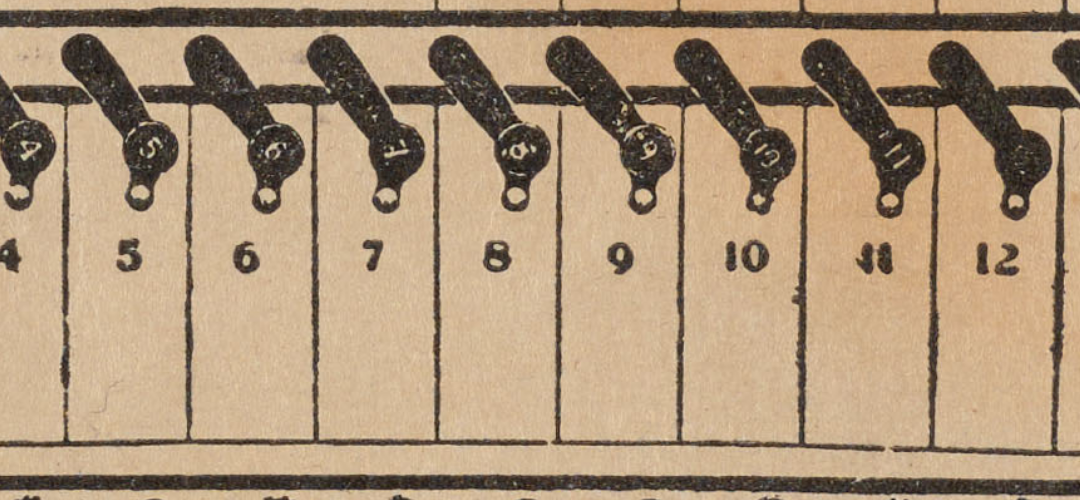
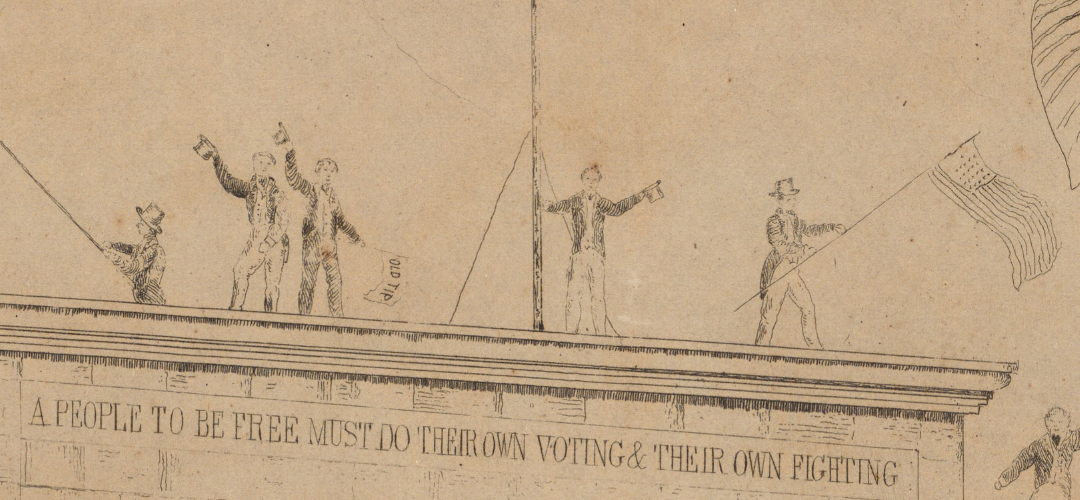
The entire process of political campaigns and electioneering efforts culminates in the actual casting of a vote. As the items in this case demonstrate, how we actually vote has changed a great deal over the past 200 years. Voice voting gave way to voting by paper ballot, but the form that those ballots took has changed a great deal over time, as has how those votes were cast.
by Isaac Burgdorf | Sep 4, 2026 | Exhibits
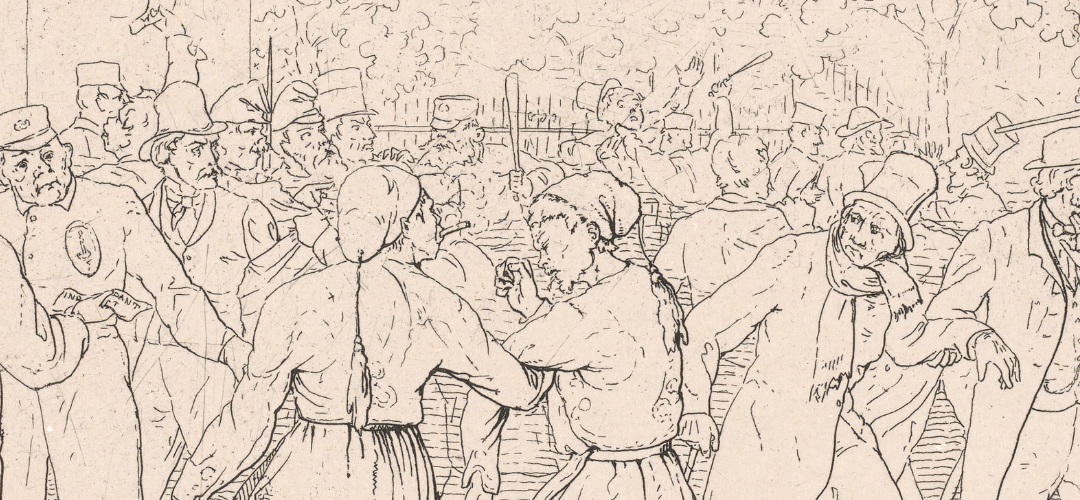
Election Day in early America was a very different experience than it is today. In smaller towns in particular, voting was a communal event, whether people were voting by voice or with paper ballots. As is shown in George Caleb Bingham’s famous painting “The County Election,” election days could be fairly rowdy affairs, often with freely flowing alcohol used to either lure voters to the polls or to celebrate election results.
by Isaac Burgdorf | Sep 4, 2026 | Exhibits
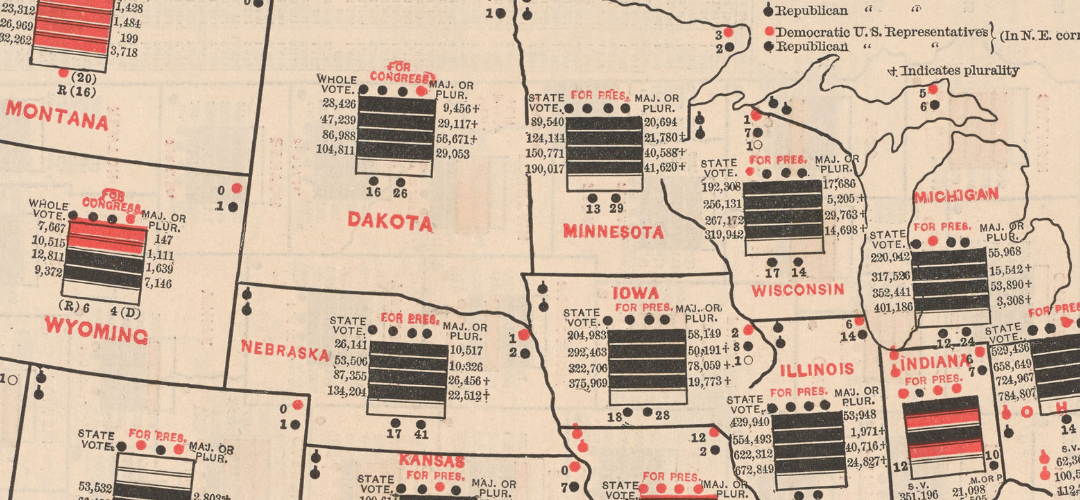
Definitions of who was allowed to vote–or who counted–have changed a great deal since the founding of the United States since the individual states were long permitted to create their own rules for who was allowed to vote. These guidelines sometimes required voters to own property, or to show that they were literate, or that they had paid a poll tax. Many of these rules were implemented in order to limit who could vote. But other state laws were specifically intended to expand the electorate. From 1790 until 1807, women were allowed to vote in New Jersey. Pennsylvania, New York, and New Jersey allowed free Black men to vote in the early nineteenth century, but Black male suffrage would only be expanded nationwide by the passage of the Fifteenth Amendment.
by Isaac Burgdorf | Sep 4, 2026 | Exhibits
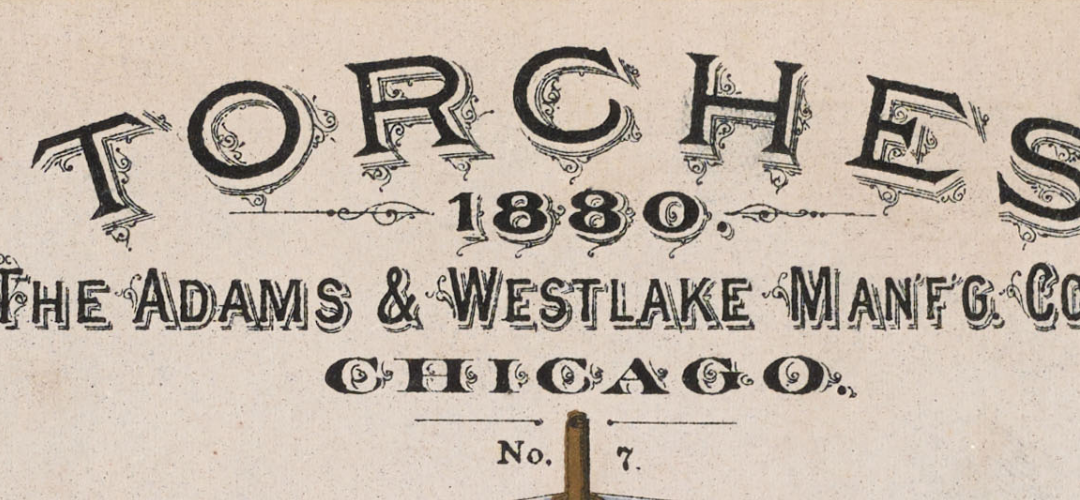
The rise of the Second Party System in the United States in the late 1820s ushered in a new political culture. In comparison to the more patrician (yet often sharp-elbowed) atmosphere of earlier electoral contests between Federalists and Democratic Republicans, the realignment of the party system between Democrats and Whigs saw voting rights expanded to virtually all white men. Andrew Jackson’s victory in the 1828 presidential election ushered in a new era of populist politics and party organizing that would shape the course of elections for the rest of the nineteenth century.
by Isaac Burgdorf | Aug 31, 2026 | Exhibits
“Who Counts? A History of Voting in America” opens September 11, 2026!
by Isaac Burgdorf | May 21, 2026 | Collections, Exhibits, Graphics, Manuscripts
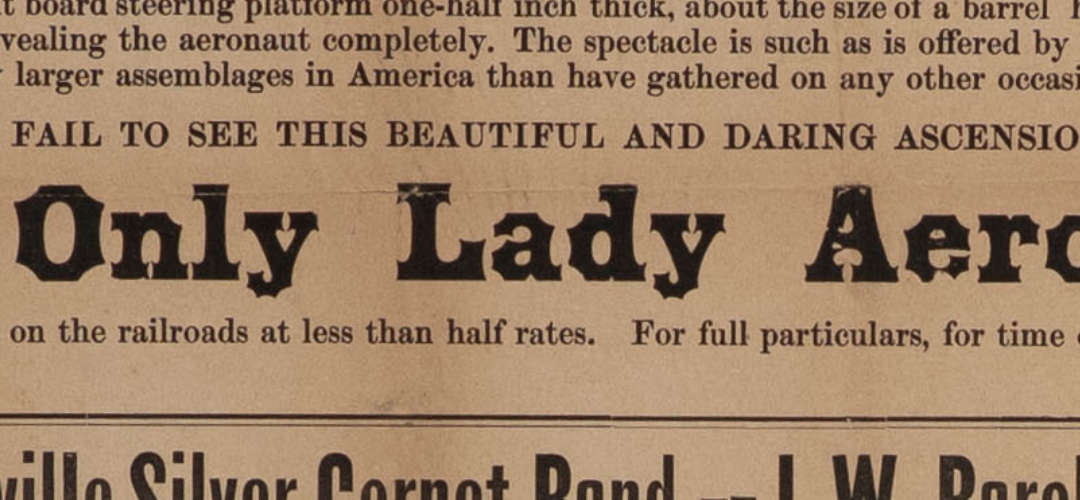
Additional and related resources for “Up, Up, and Away: A History of Ballooning in America.”
