Who Counts? A History of Voting in America
Exhibit Introduction
The word “vote” appears in the United States Constitution thirty-six times. But it was not until the ratification of Fourteenth Amendment, in 1868, that it is used in the most familiar sense, referring to an average citizen choosing their representatives. All of its earlier uses either refer to the functioning of the House and Senate or the process by which the Electors select the President and Vice-President.
The nation’s supreme law was largely silent on who would be allowed to vote in the new nation, as well as on who would count those votes. Article 2, Section 1 states that “each state shall appoint [Electors], in such manner as the Legislature thereof may direct,” but it offers no guidance on how the members of those state legislatures would be elected. The result was significant diversity in who got to vote and how they voted.
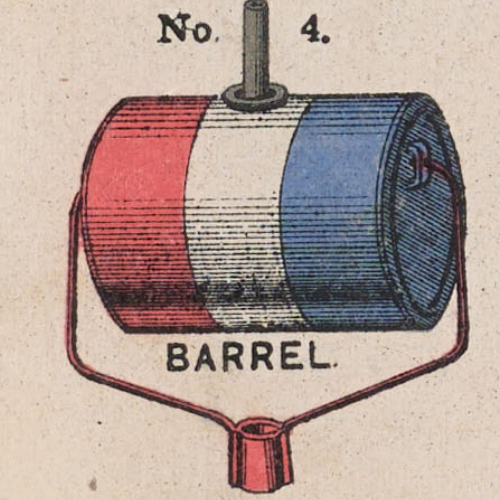
Changes over the course of the nineteenth century in how Americans voted, from voice vote to public ballot box to private voting booth, also saw changes in the material culture that surrounded voting. Ballots and ballot boxes, campaign pins and ribbons, blank lists and pre-printed party tickets, lanterns and banners–the creative forces of the American print industry filled the country’s cities and small towns with the ephemera of electioneering.
As you look at the items in this exhibit, think about what they tell us about how Americans in the past felt about voting, and about how voting felt. How did Election Days feel when they were full of parades and music and public drinking? What was it like to vote when everyone around you knew who you voted for? And, most of all, who counted as a voter, and who did the counting?
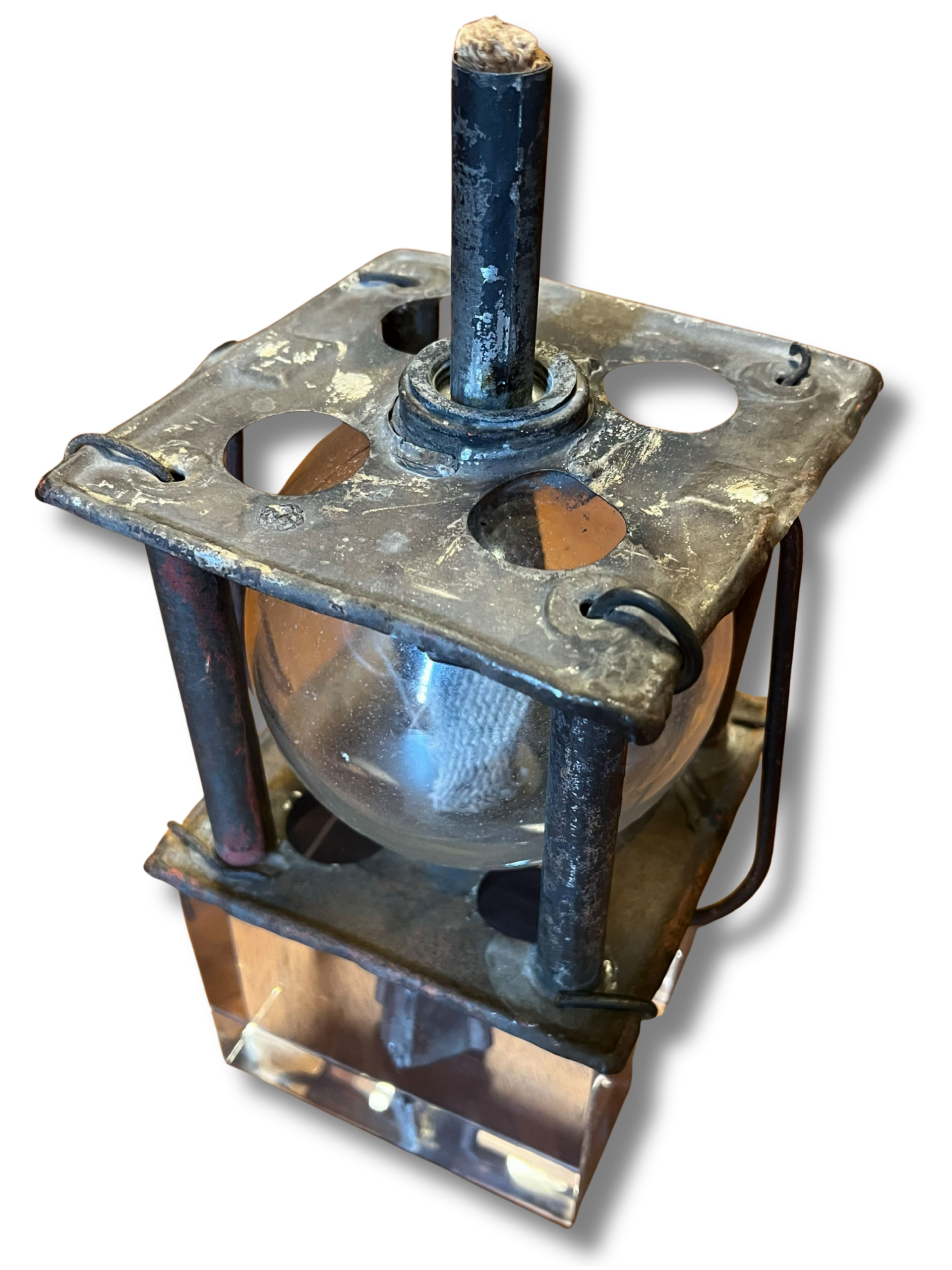
Glass Globe Torch, c. 1880. From The Landon Myers Collection of Early American Election Administration.