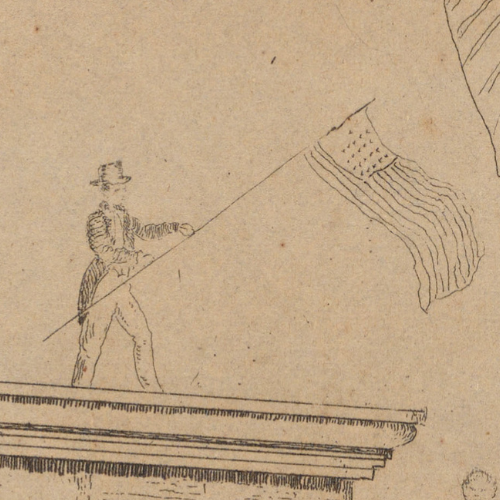
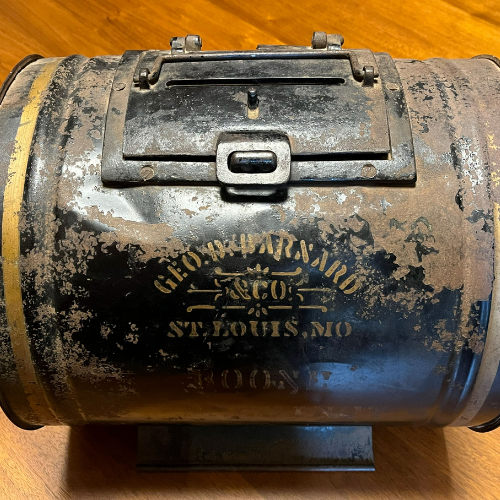
How Do You Vote?
How Do You Vote?
The entire process of political campaigns and electioneering efforts culminates in the actual casting of a vote. As the items in this case demonstrate, how we actually vote has changed a great deal over the past 200 years. Voice voting gave way to voting by paper ballot, but the form that those ballots took has changed a great deal over time, as has how those votes were cast.
The actual ballots that voters used to cast their votes sometimes took the form of “tickets” printed by political parties–voters wishing to vote a “straight ticket” would just sign their name to a pre-printed list and put that in the ballot box. The type of ballot we are familiar with today, where voters are asked to make a choice from a list of candidates, was a later arrival.
One controversial issue that arose during the Civil War was how soldiers who were deployed far away from their home towns could vote. There was extensive debate on the subject, but ultimately the decision was made to record soldiers’ votes in the field and bring those poll books back to their home districts for tabulation. As you can see, questions about mail-in ballots and voting technology are not new, and in fact have shaped what voting looks like today.
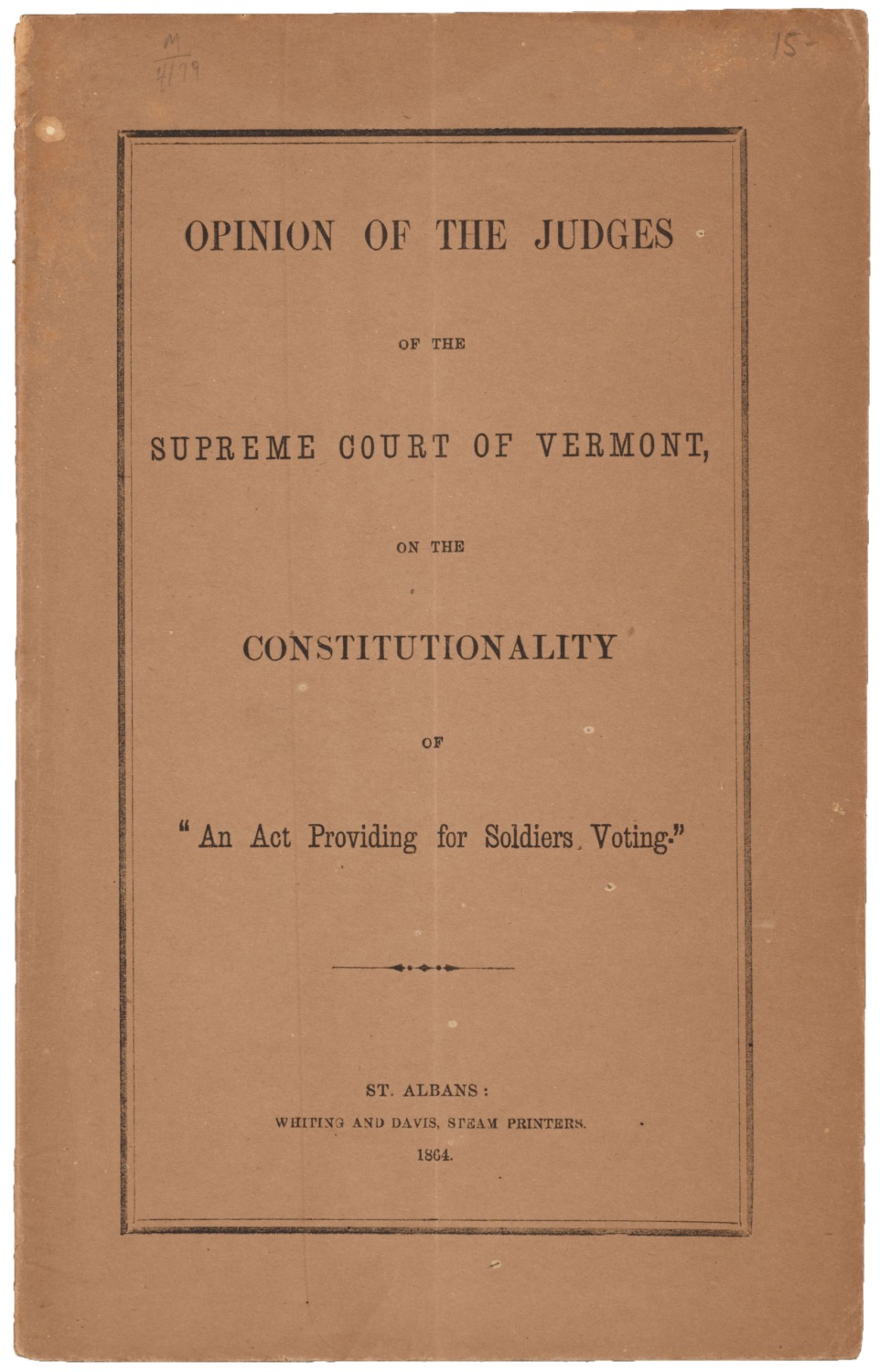
Vermont Supreme Court. Opinion of the Judges of the Supreme Court of Vermont on the Constitutionality of ‘An act providing for soldiers voting’”. St. Albans: Whiting and Davis, steam printers, 1864.
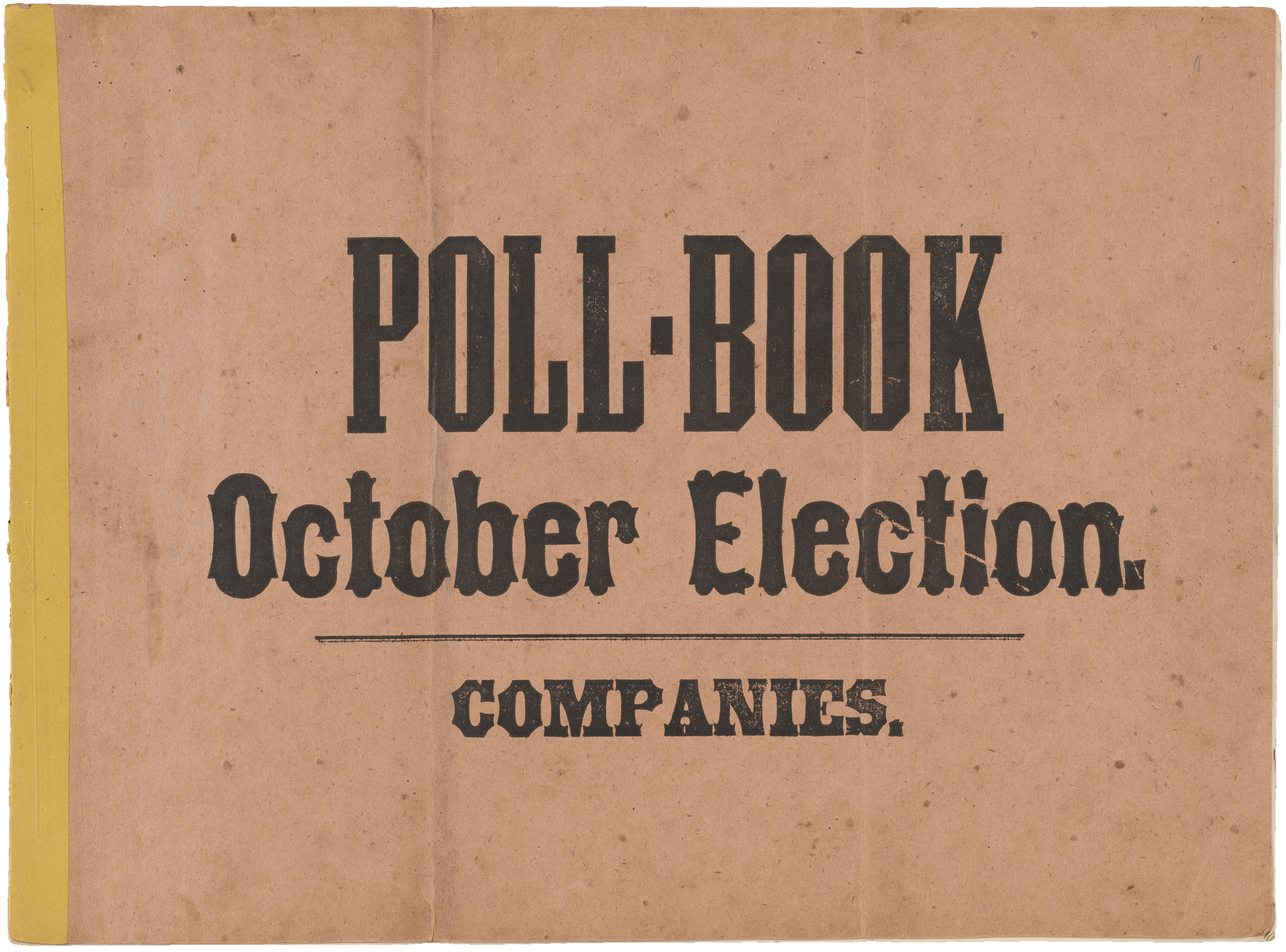
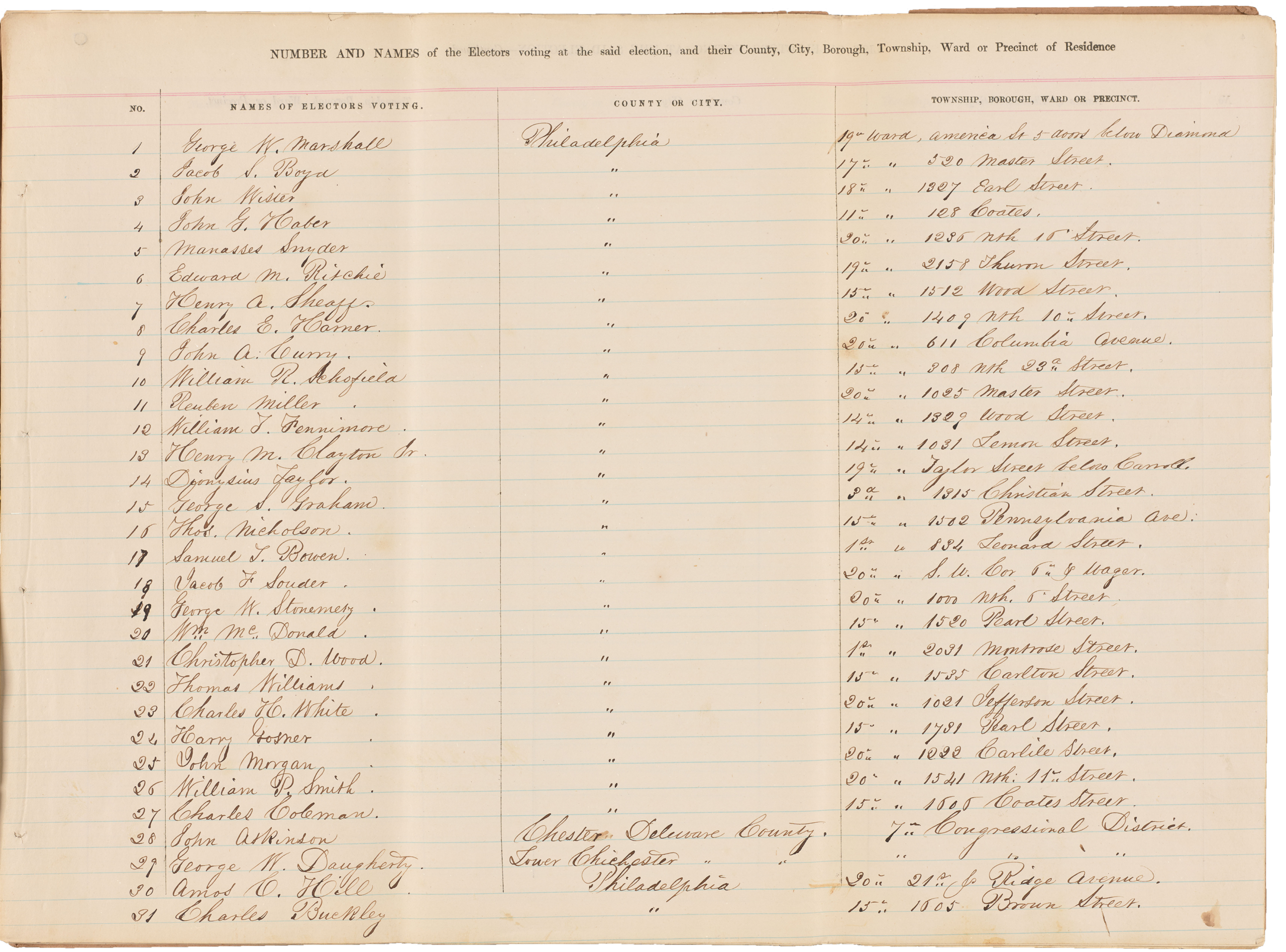
Pollbooks from the Pennsylvania Civil War pollbook collection, 1864. James S. Schoff Civil War Collection.
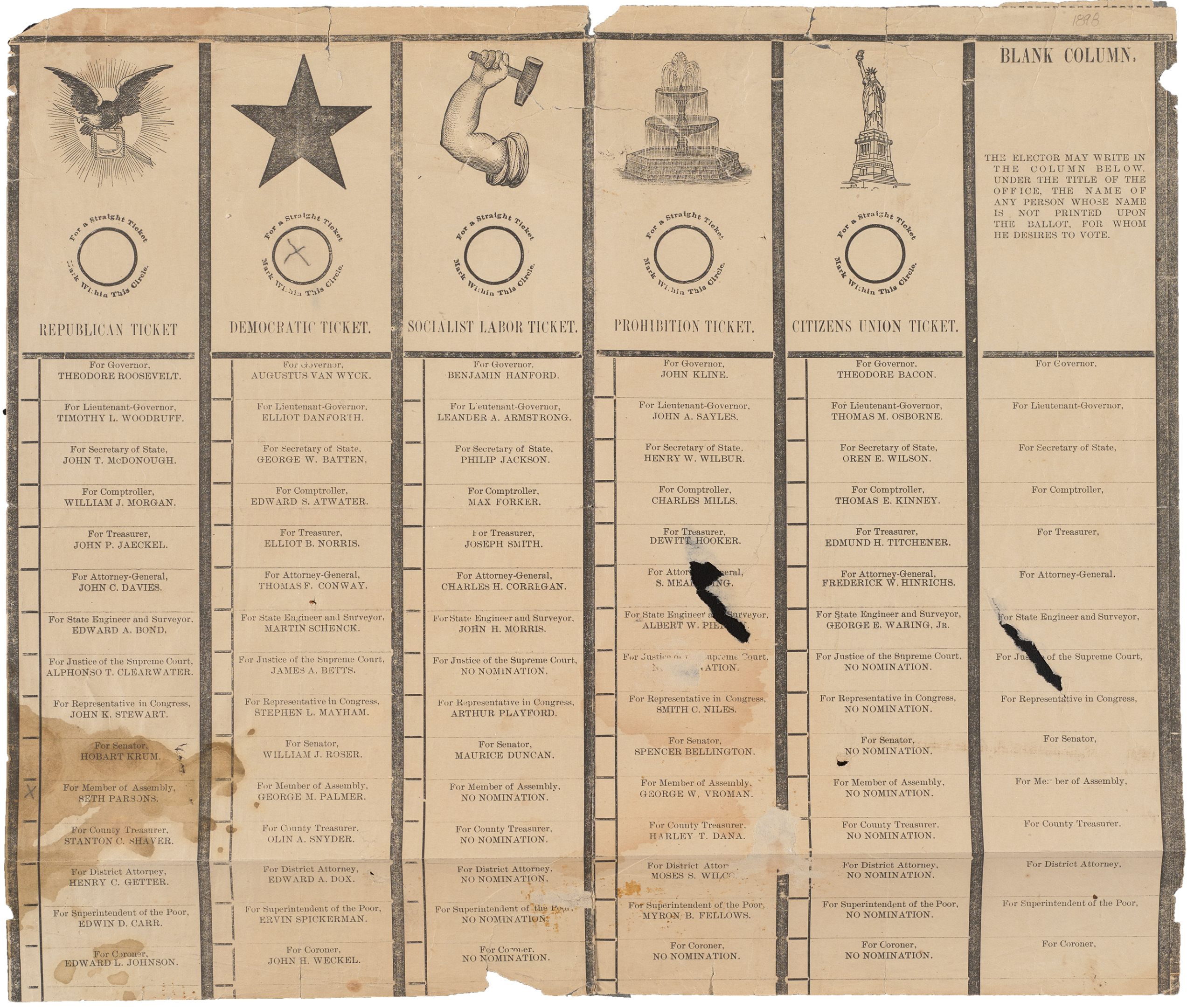
Blanket ballot from New York State, for Governor, Theodore Roosevelt. 1898. From the General Ephemera Collection.
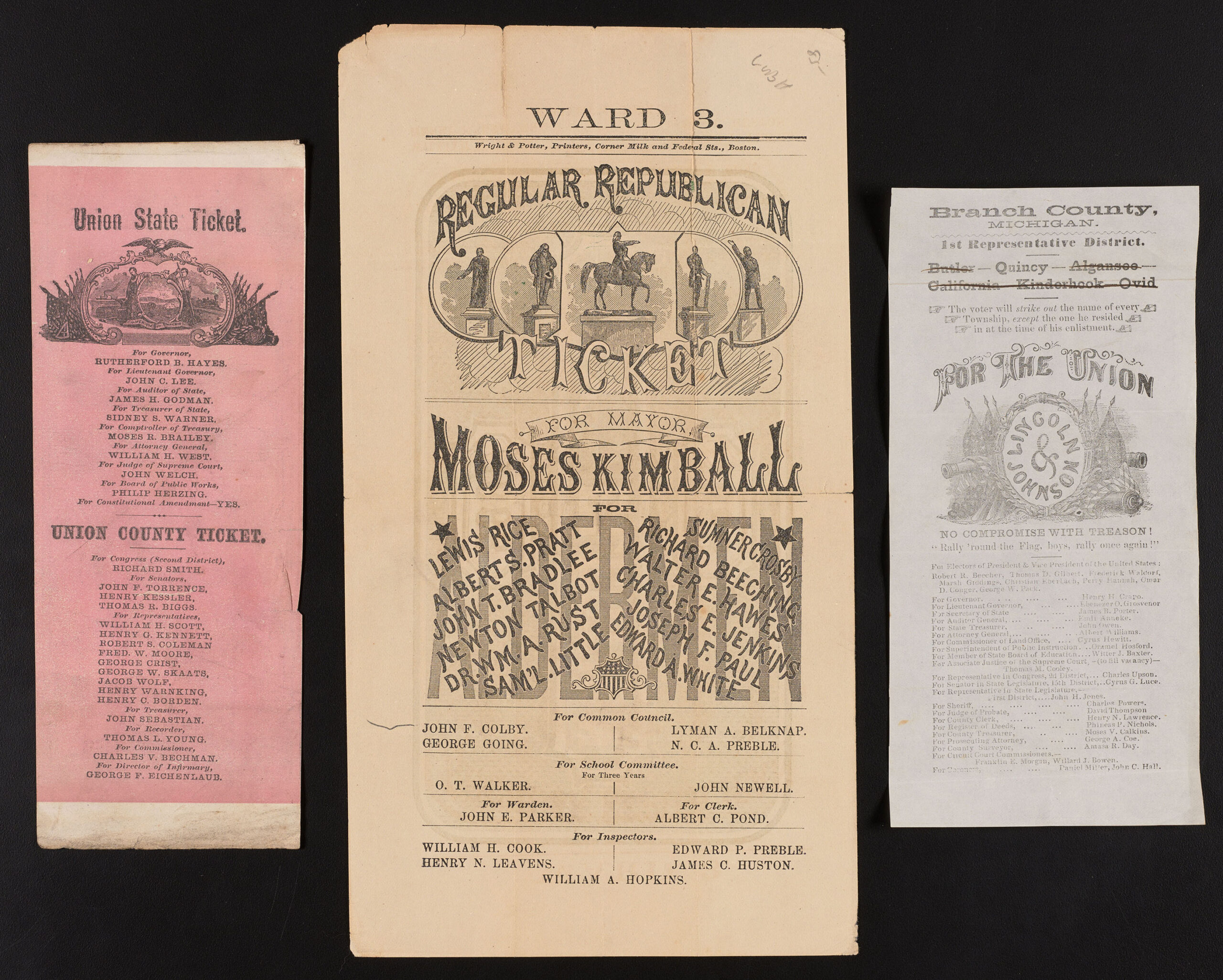
Tickets and ballots from The Landon Myers Collection of Early American Election Administration.
– Republican Ticket., for Mayor: Moses Kimball, Ward 3. Boston: Wright & Potter, Printers, Corner Milk and Federal Sts., 1868. From the Landon Myers Collection.
– Union State Ticket, for Governor, Rutherford B. Hayes, 1867. From the Landon Myers Collection.
– Soldier’s Field Ballot, 1864 Election, Branch County, Michigan. From the Landon Myers Collection.
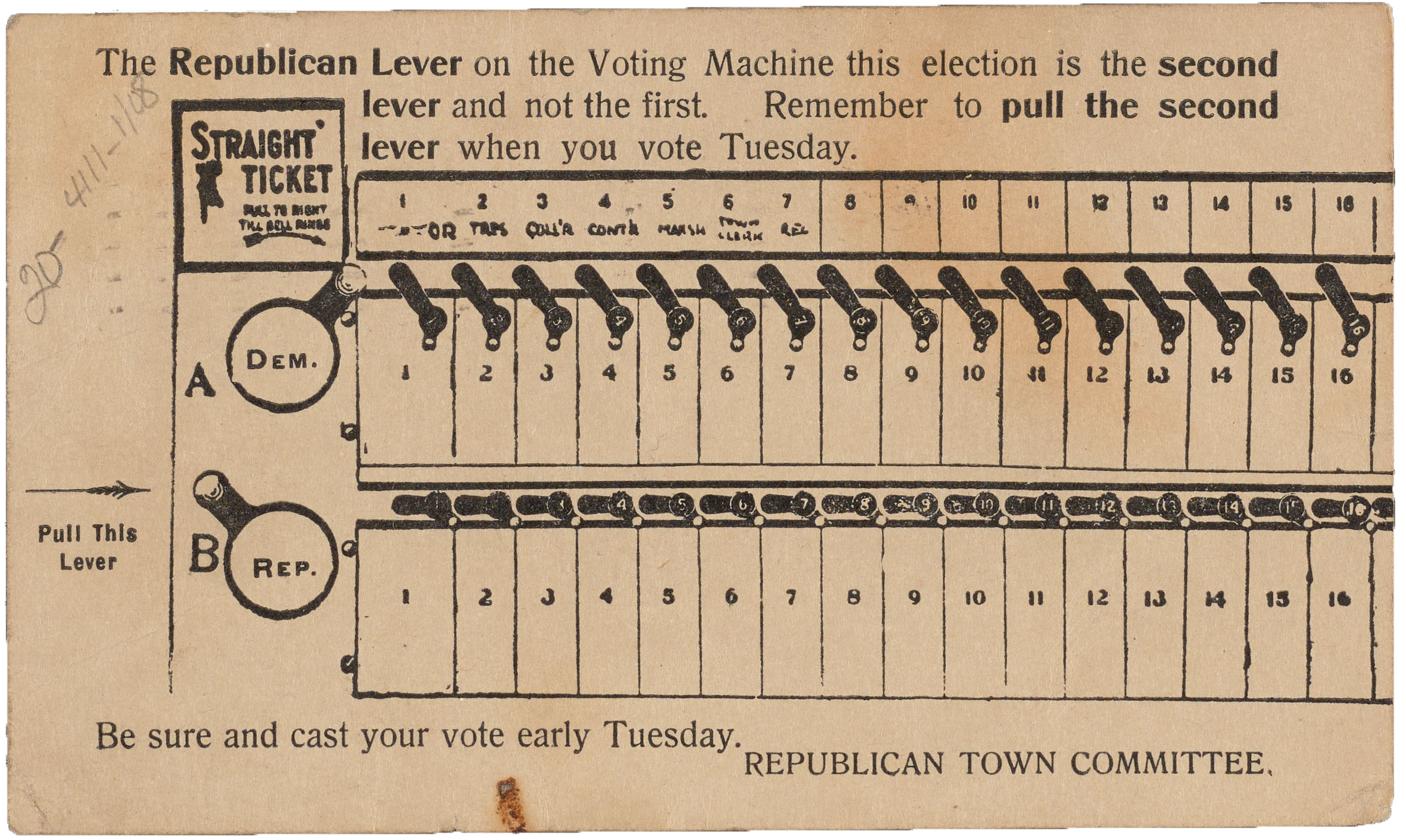
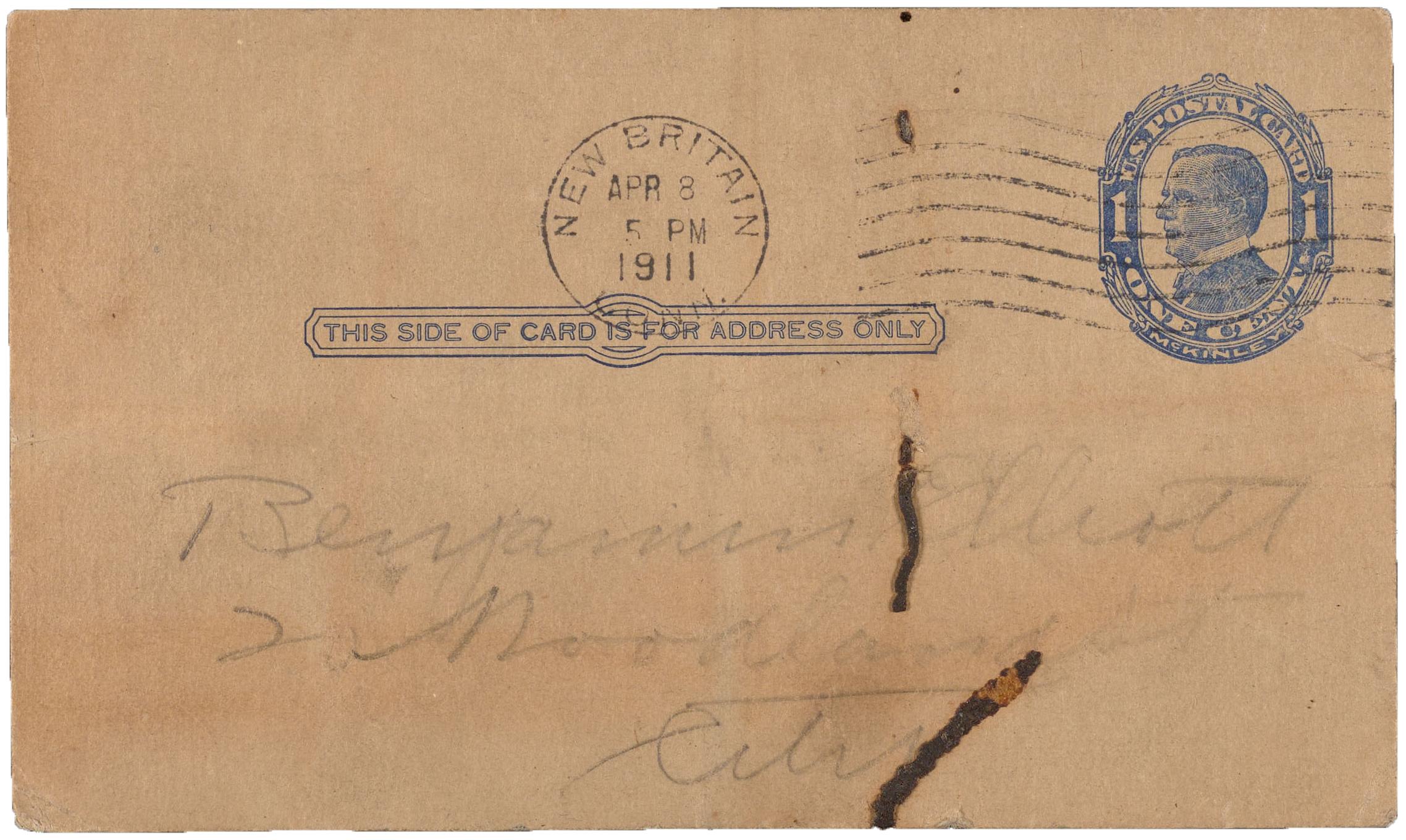
Lever Voting Machine Instruction Card. Republican Town Committee, New Britain, CT: 1911. From The Landon Myers Collection of Early American Election Administration.