Revolutionary Paine
Exhibit Introduction
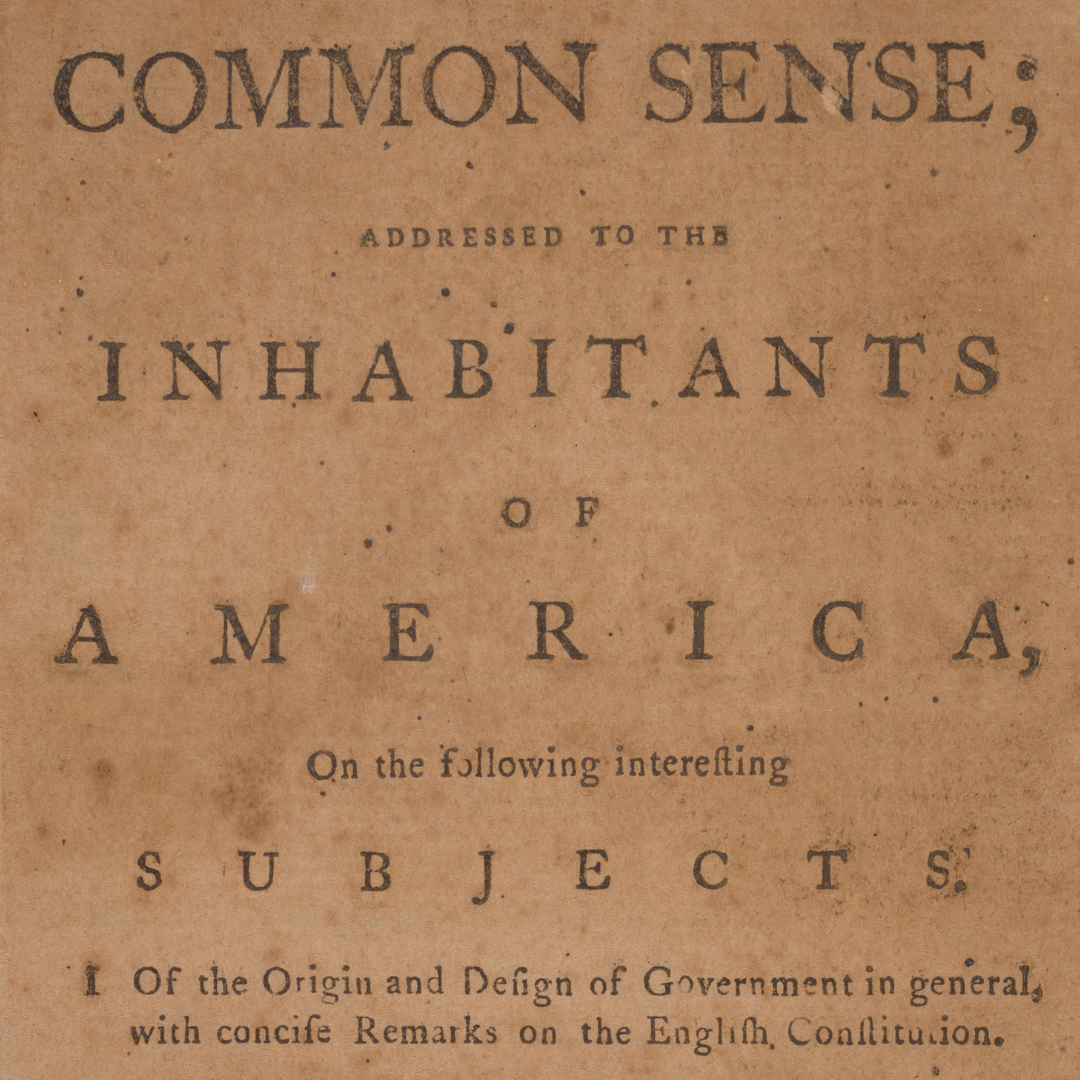
The William L. Clements Library holds 58 editions of Thomas Paine’s Common Sense: Addressed to the Inhabitants of America. Upon the 250th anniversary of its January 1776 publication, one might ask: Why so many?
Although historians debate the precise number of printings, they generally agree that Common Sense was reprinted more than any other title in colonial America. Within a week of its publication, the work’s passionate call for independence and its strident denunciation of the British monarchy made it a sensation and a runaway bestseller. The Clements Library’s collection of these editions reflects the edits, additions, translations, typographical changes, and imitations that this breathtakingly popular pamphlet underwent as it transformed both the print culture and the politics of Revolutionary America – and beyond.
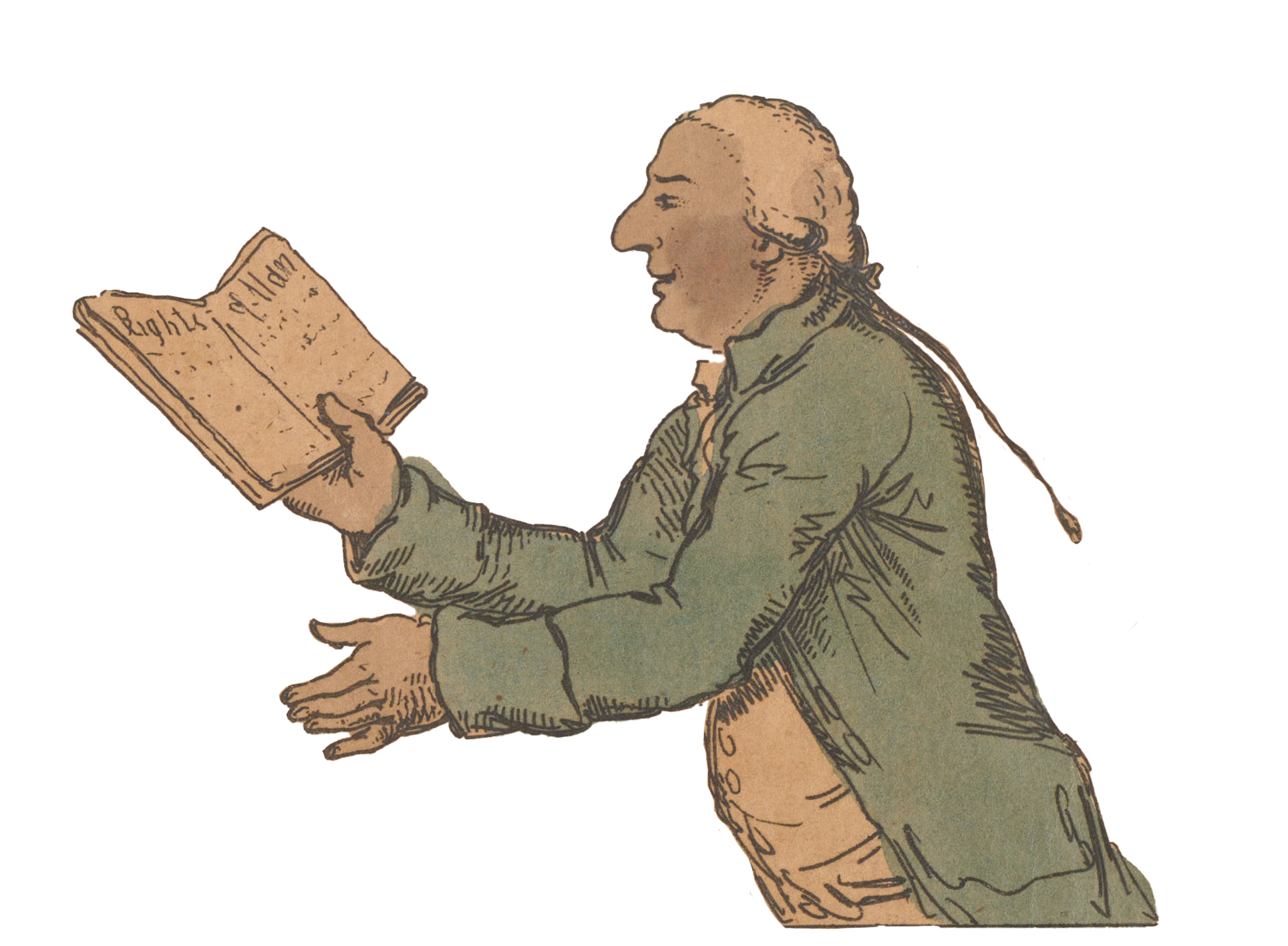
Paine would later play a key role in the other main political upheaval of the late eighteenth century: the French Revolution. In both America and France, Paine used his considerable skills as a pamphleteer and a polemicist to advocate for republican self-government and natural rights. In this exhibit, undergraduate students in Dr. Andrew Murphy’s seminar on “Revolutionary Political Thought in America and Beyond” explored Paine’s work, along with that of his contemporaries and critics, to better understand his political thought and his controversial legacy.
Curated By: Andrew Murphy, Maggie Vanderford, Emiko Hastings, and Julie Fremuth, with the students of POLISCI 495 (Fall 2025) at the William L. Clements Library