The View From Above
The View From Above
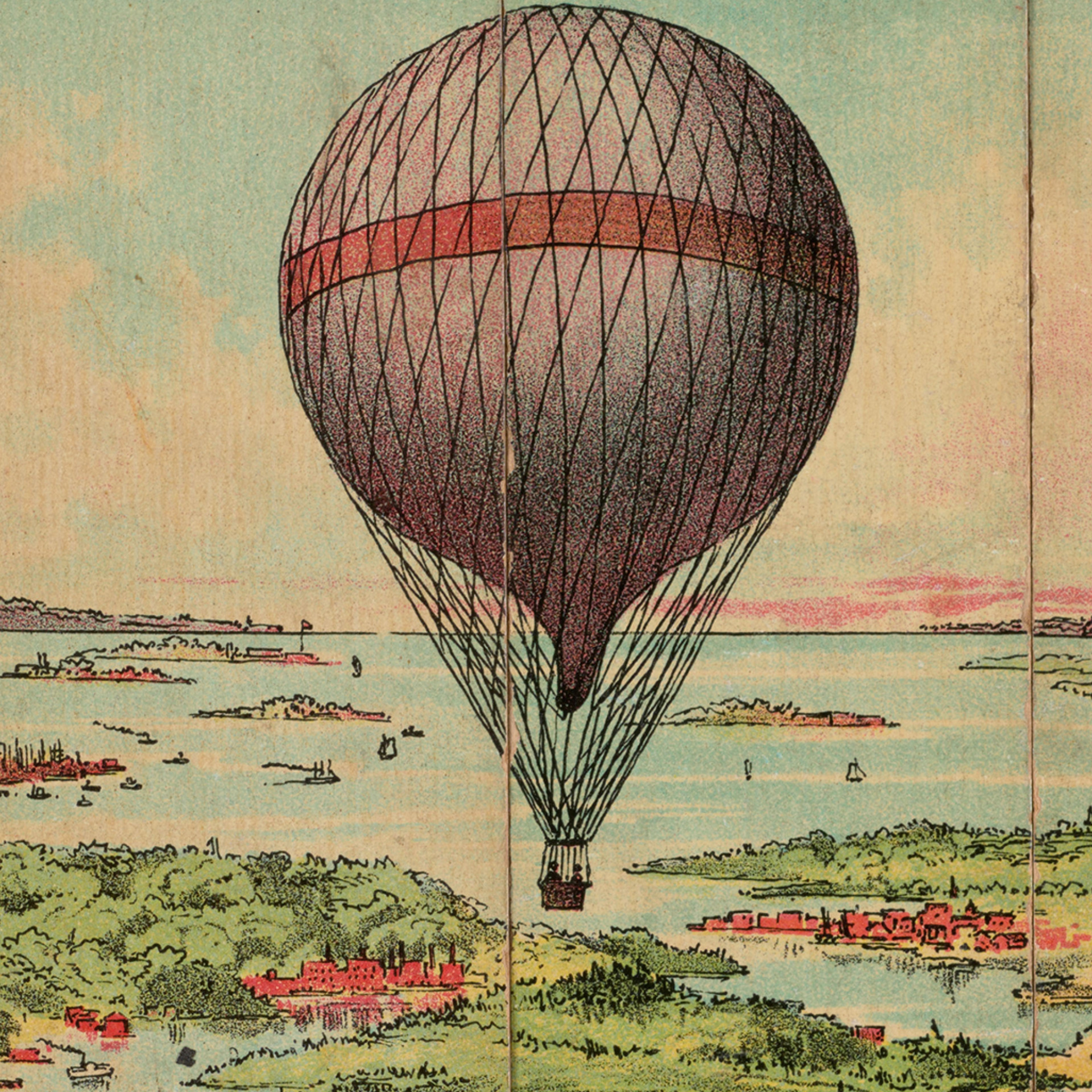
For many Americans, the whole fascination with ballooning was the prospect of being able to look down on the world. Unless they had traveled to the mountains–a difficult proposition in the nineteenth century–most people had never been higher up than the third floor of a building. The world’s first skyscraper, Chicago’s Home Insurance Building, was built in 1885, but even that landmark building was only ten stories high.
Birds’-eye view prints enjoyed tremendous popularity in the second half of the nineteenth century. These views of towns and cities were drawn from an imagined point of view high up in the air. In almost no cases did an artist actually have the advantage of an elevated perspective to create a representation of an American city. Starting in the Civil War, balloons began to be used for observation and reconnaissance, as aeronauts with binoculars went up to survey enemy positions. But very few soldiers ever saw the view from 1000 feet in the air.
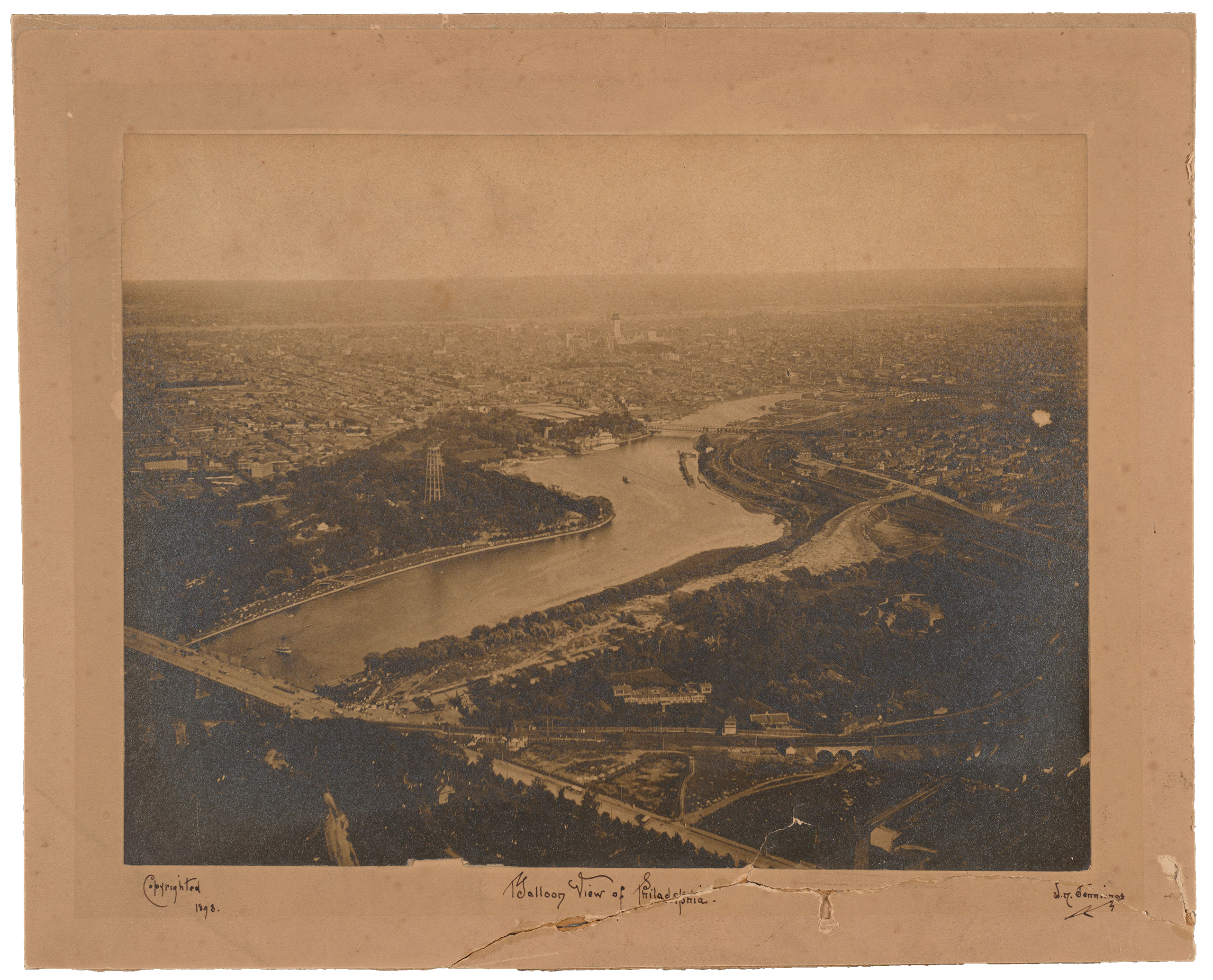
Jennings, William N. “View of Philadelphia from a Balloon.” Photograph, 1893
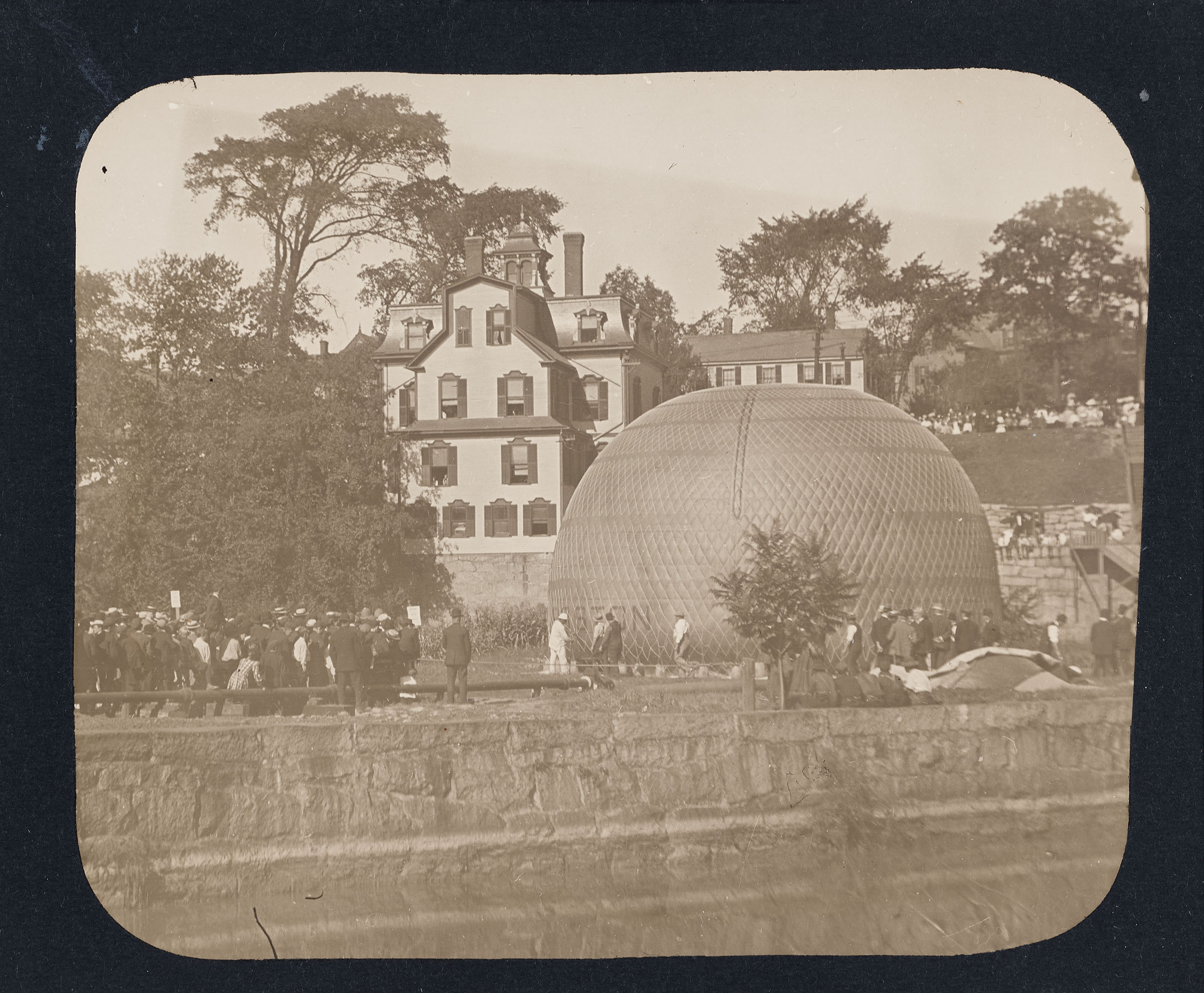
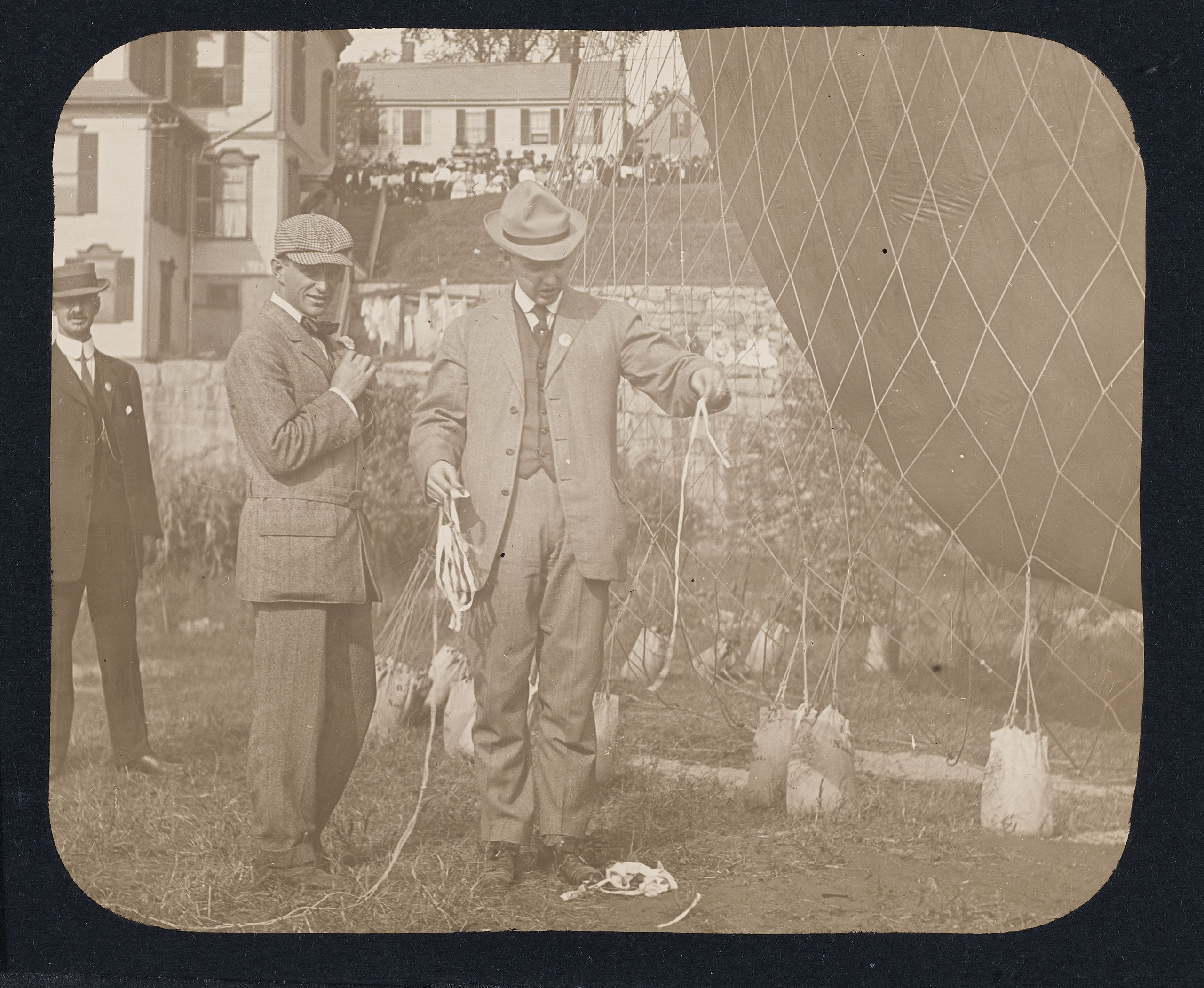
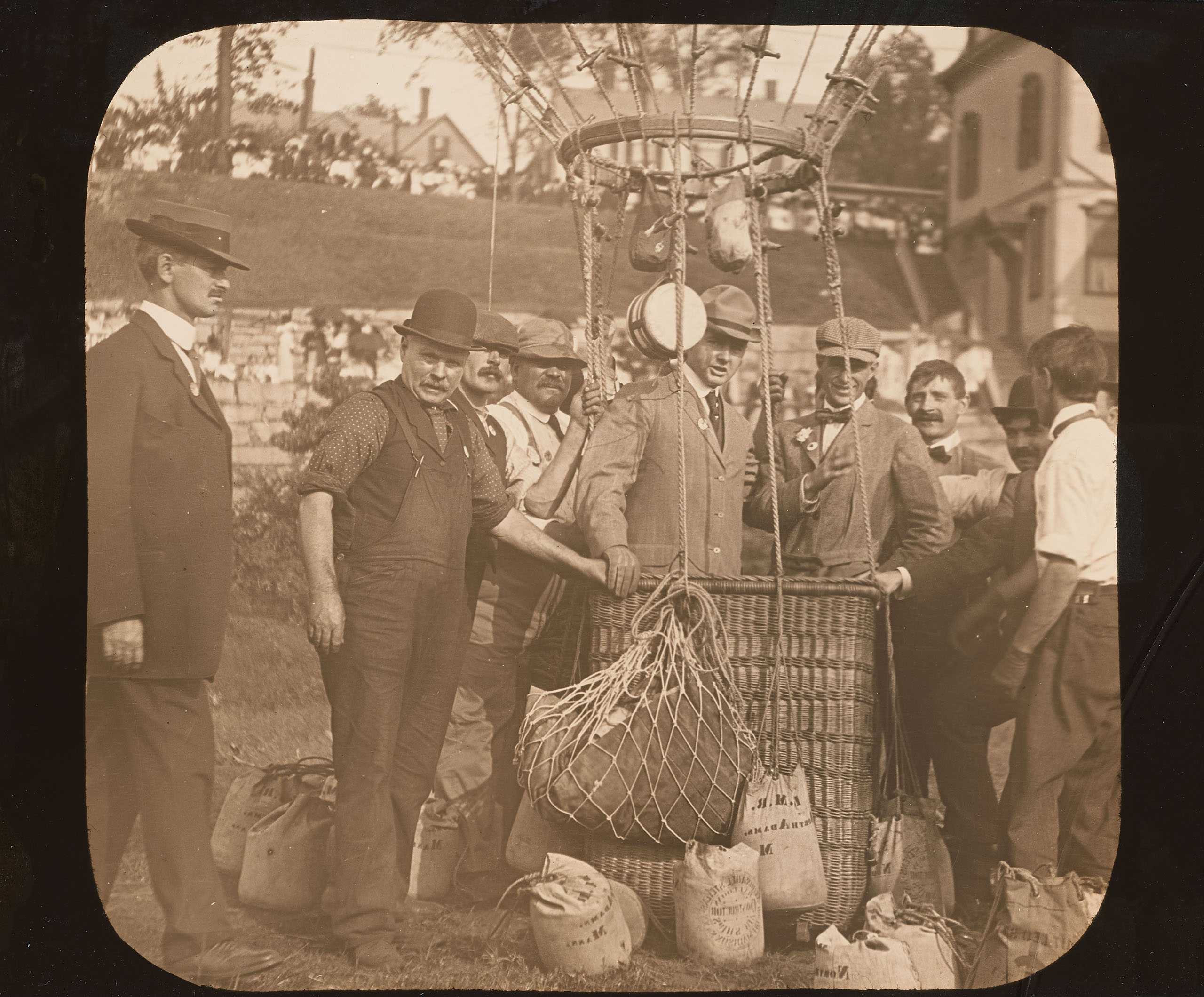
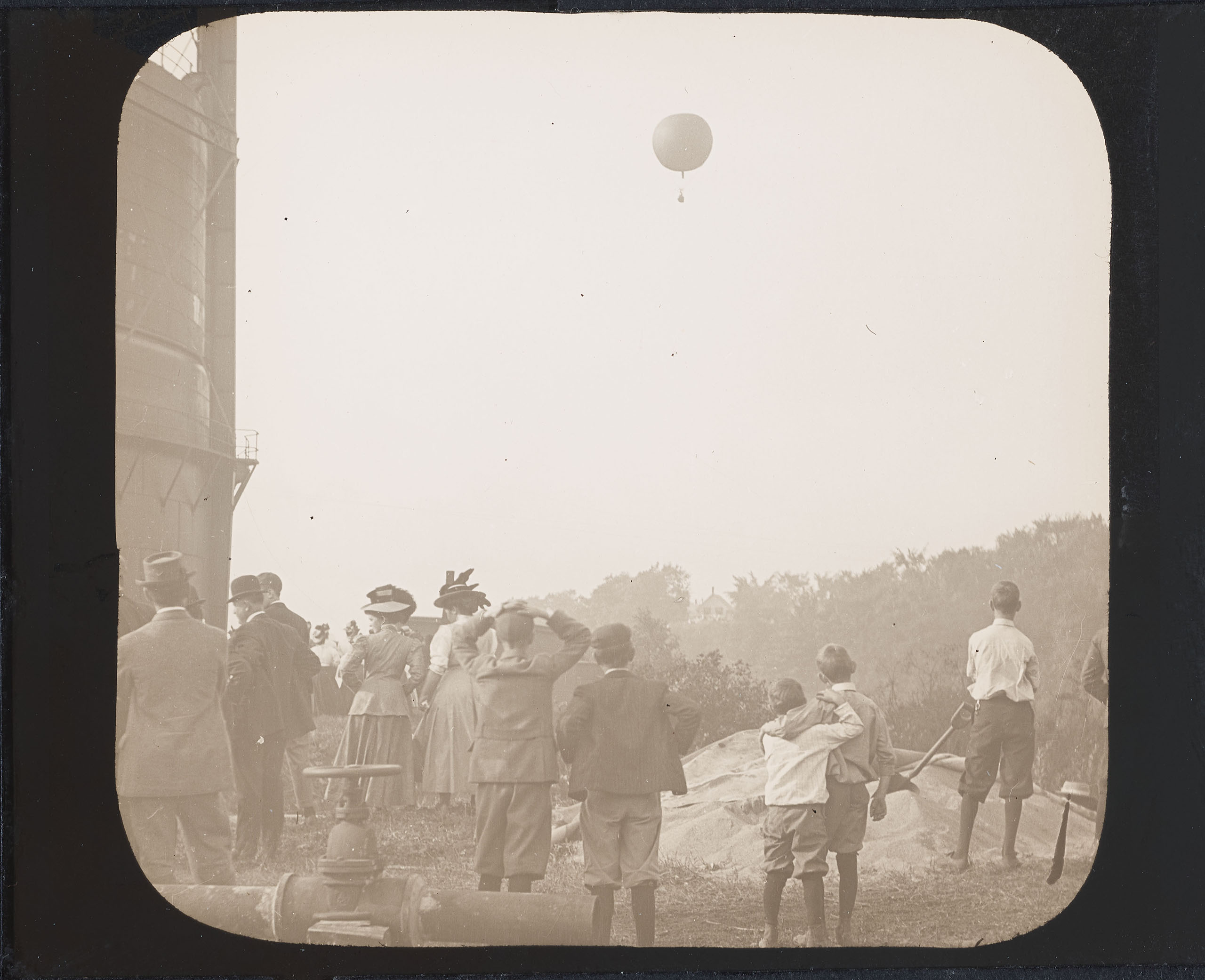
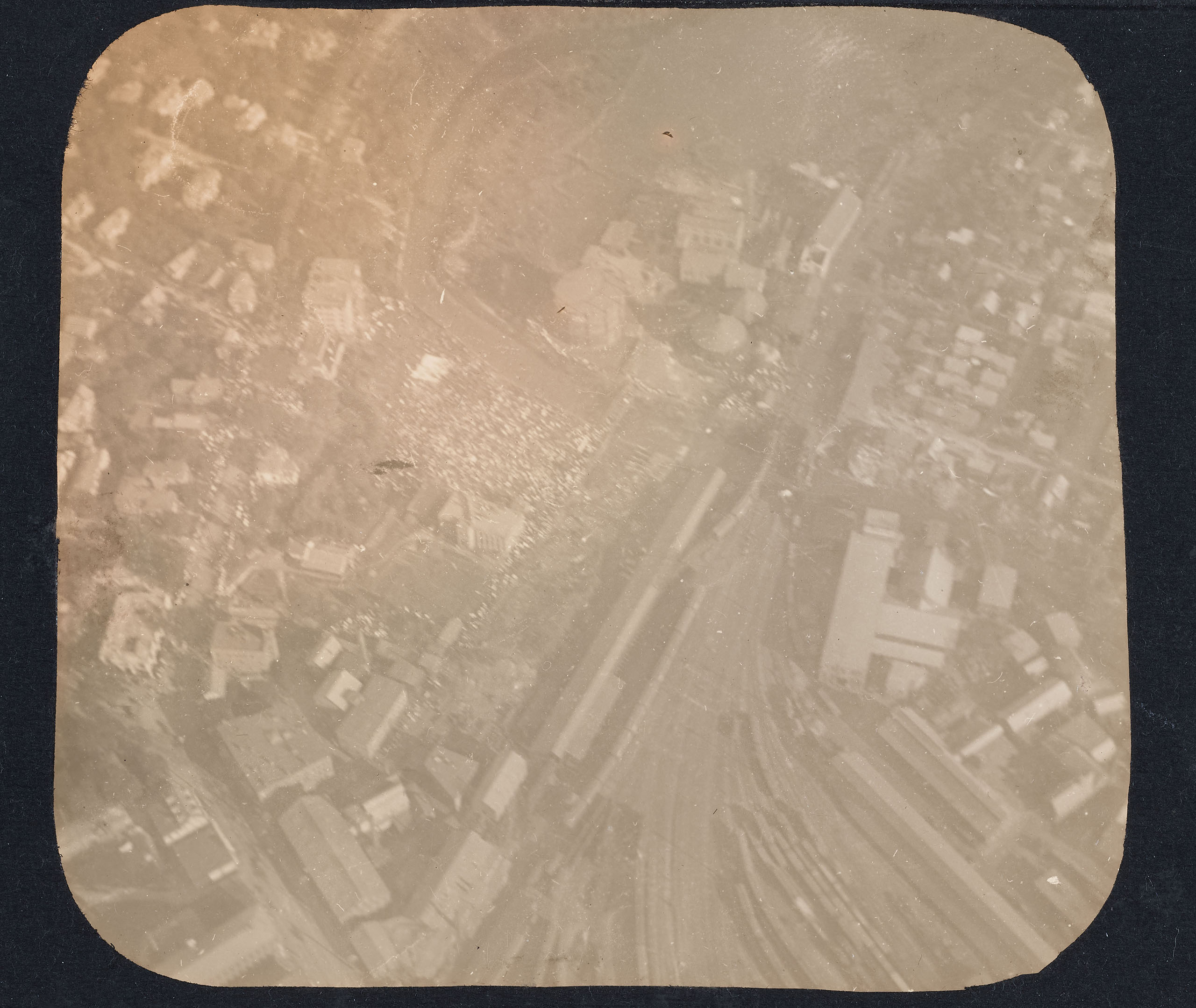
Five lantern slides of balloon ascension, Fitchburg, Mass.
In the wake of the Civil War, combined technological advances in ballooning and photography meant that for the first time people were able to see what their world looked like from above. Balloons brought photographers and their cameras to new heights, and allowed them to capture images that vividly illustrated the dynamism of America’s growing cities. They also helped demonstrate the risks those cities faced from natural disasters like the 1906 earthquake and fire that devastated San Francisco. For most of us, seeing the places that we live from high above is a fairly common experience. The images in this case would have struck many viewers in the past as something entirely new.
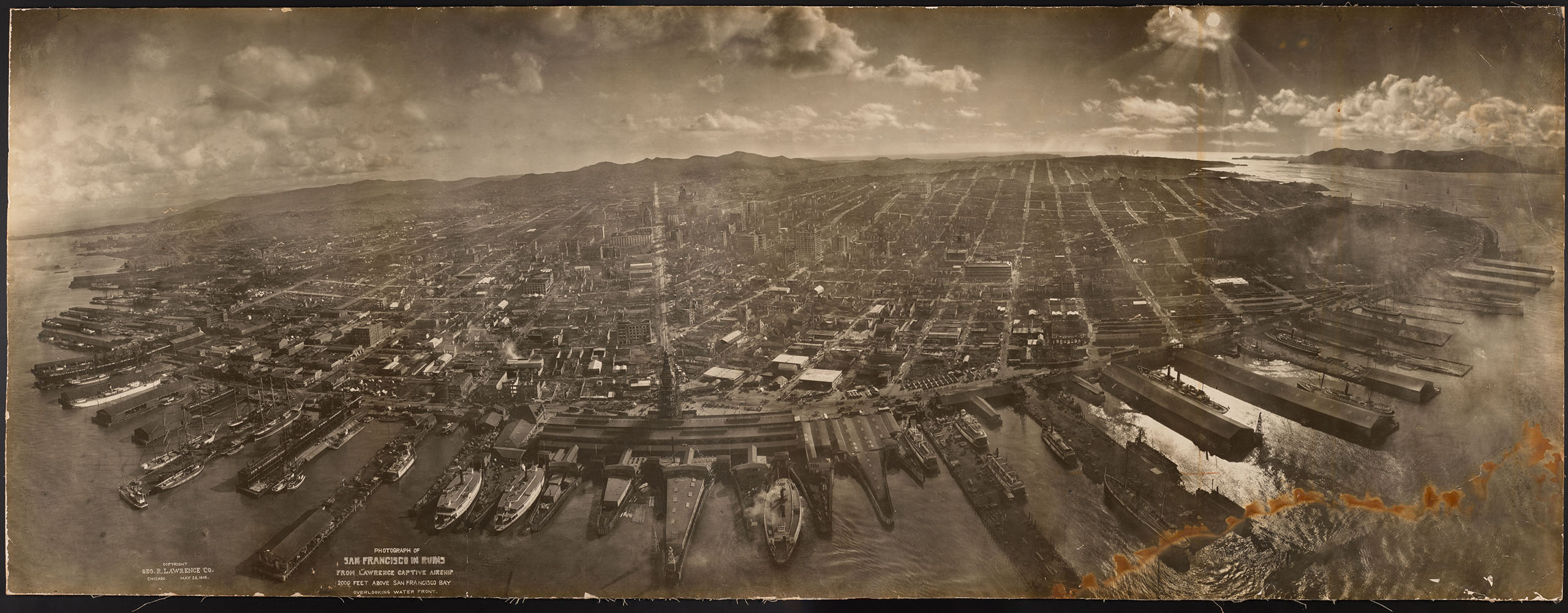
Waters, R. J. “The Ruins of San Francisco, May 1906.” San Francisco: R. J. Waters & Co., 1906.