
Michigan History
Michigan History Research Guide
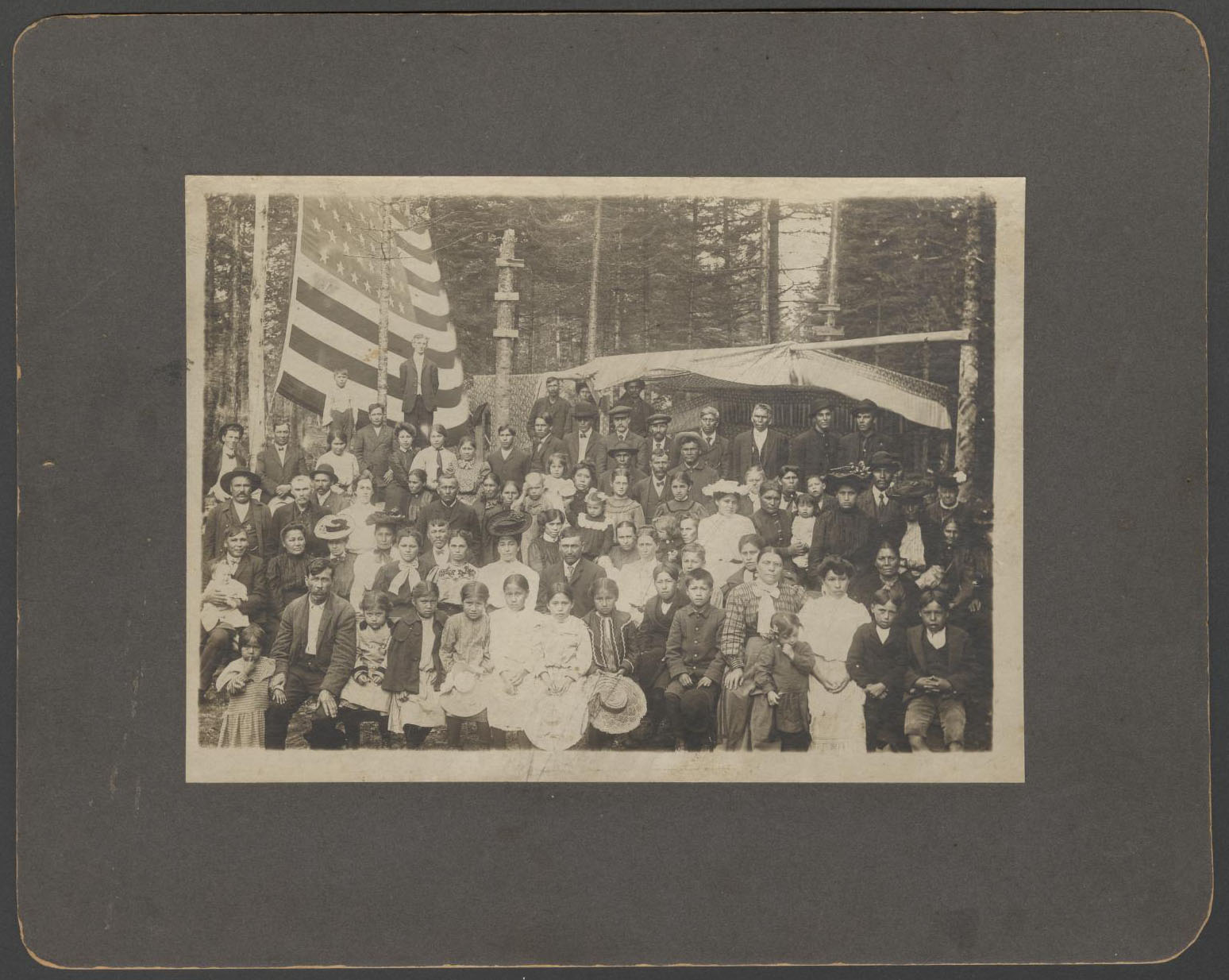
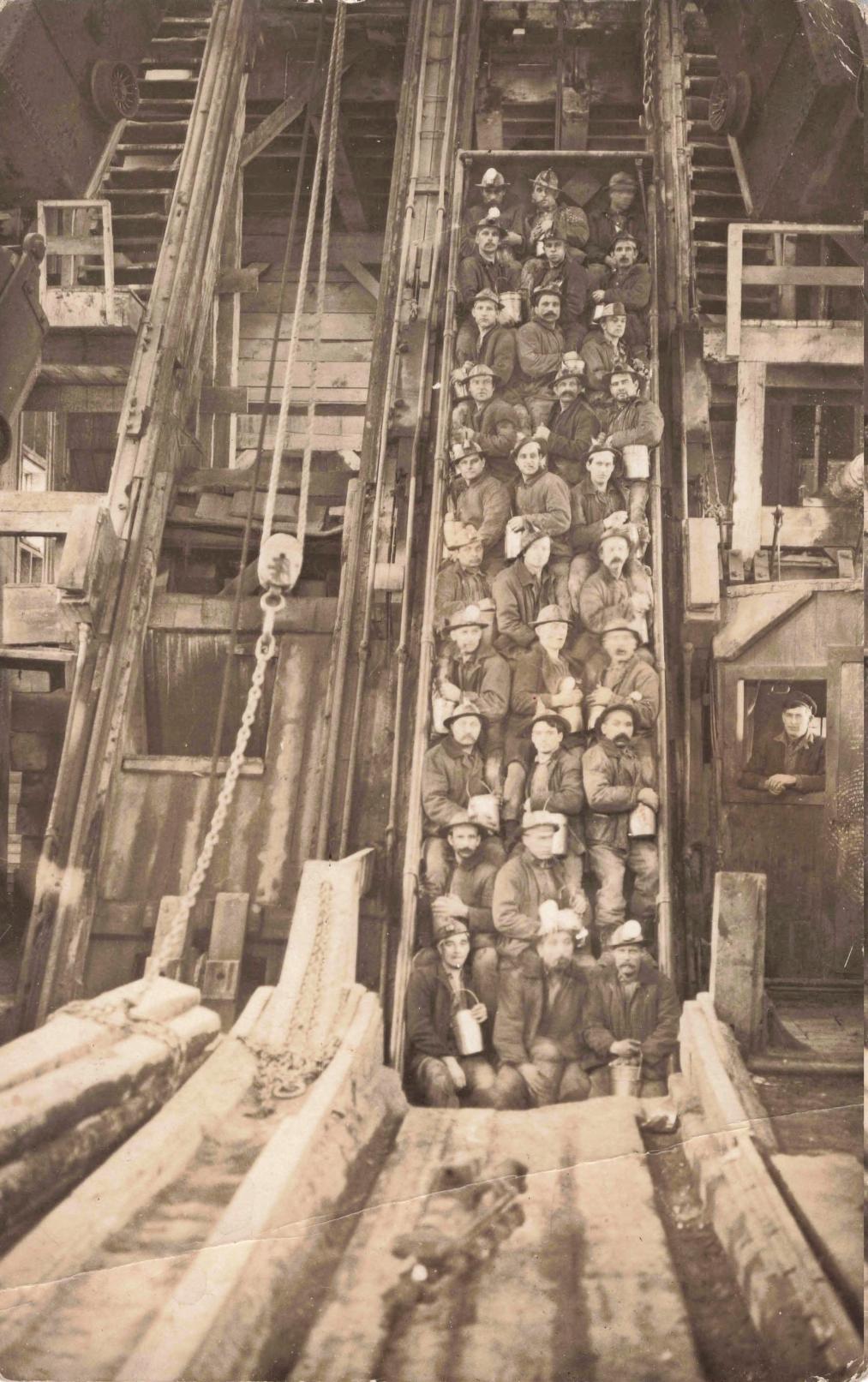
The William L. Clements Library’s holdings related to the history of Michigan can be found across the library’s four divisions. A particular strength is the David V. Tinder Collection of Michigan Photography, which contains over 120,000 images of various formats capturing everyday life, industry, and development in Michigan. Other relevant visual materials at the Clements Library include photograph albums and Michigan tourism ephemera, such as travel brochures, transportation schedules, and advertisements.
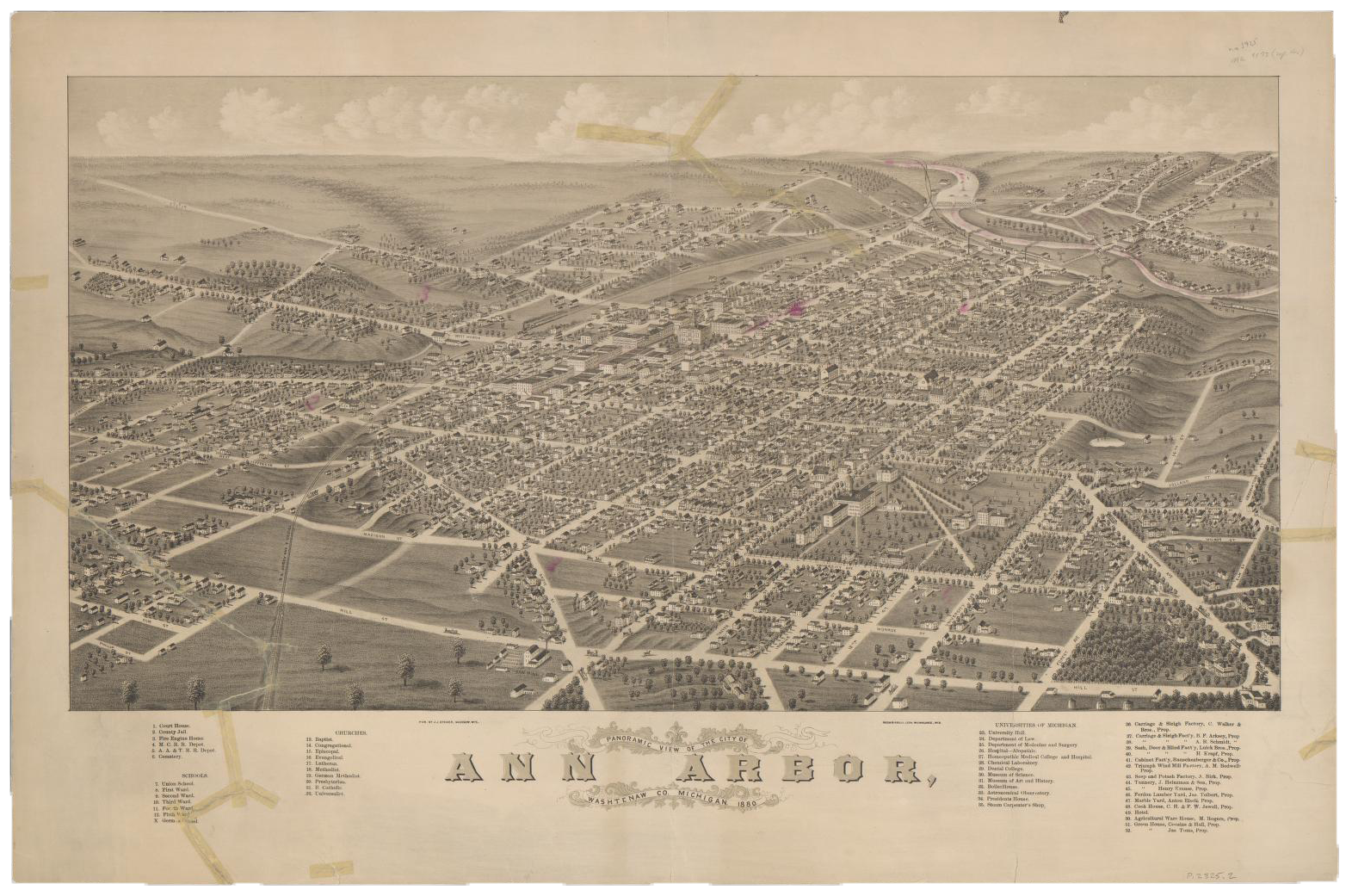
The Clements Library maintains numerous manuscript collections related to Michigan’s history in the 18th and 19th centuries, covering Michigan’s control by the French, its inclusion in the Northwest Territory, its involvement in the War of 1812, and its eventual statehood. Accounts from civilians, military and government officials, and early statesmen like Lewis Cass and Lucius Lyon document a variety of topics, including relations with Indigenous groups, the fur trade, mining and lumbering industries, activities at Fort Detroit and Fort Michilimackinac, and more. Printed materials related to Michigan’s history include guidebooks, advertisements, directories, newspapers, broadsides, military and legislative records, and regimental histories. The Clements Library also maintains a large number of maps of Michigan and the surrounding Great Lakes.
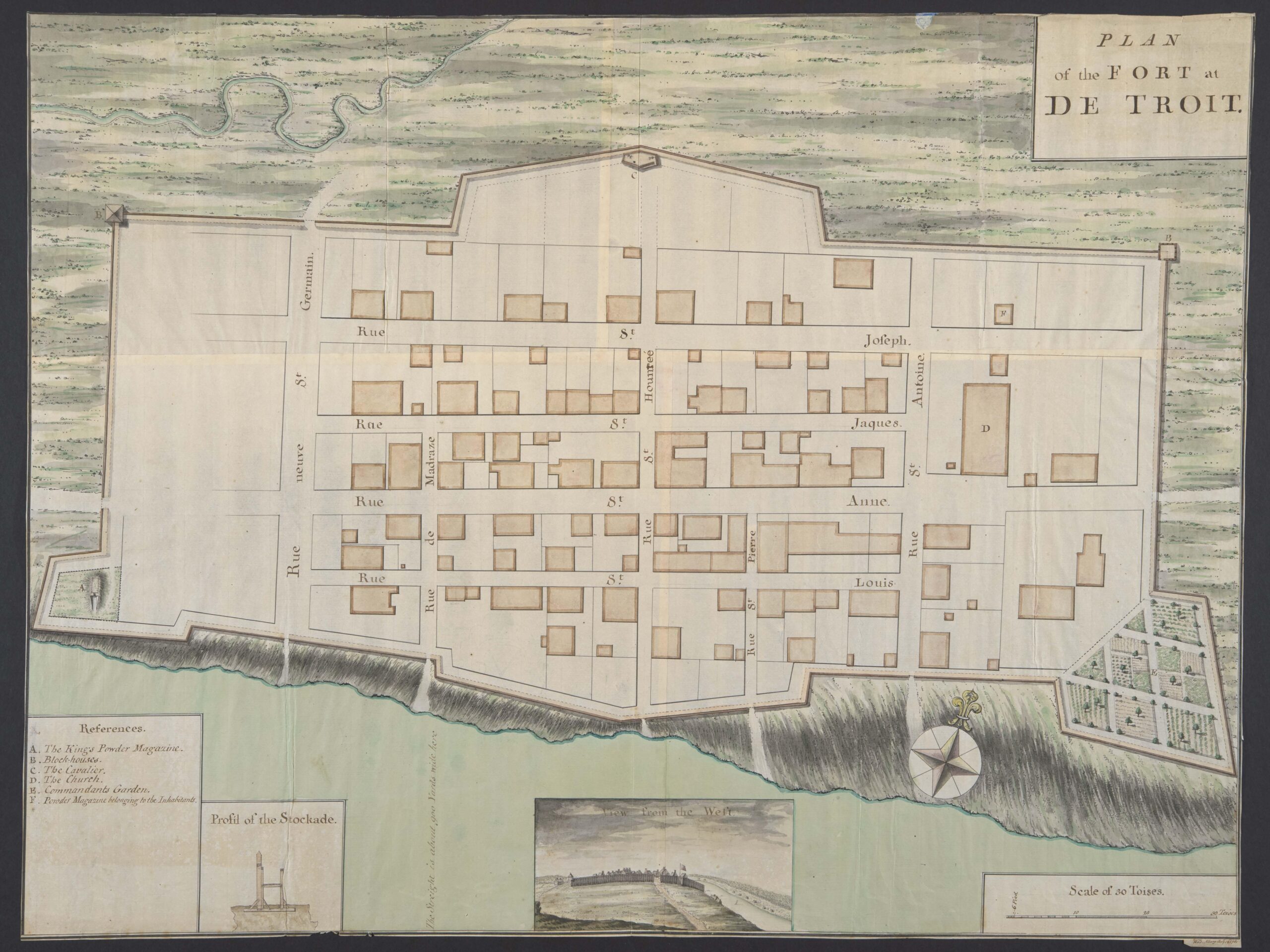
This research guide is intended to offer a broad overview of holdings at the Clements Library related to the history of Michigan. It is meant as a starting point for researchers interested in this topic, not an exhaustive list of all relevant materials. The Clements Library has also published research guides on the David V. Tinder Collection of Michigan Photography and on Native American History. If you have any questions about this guide or our holdings please contact us here.
The William L. Clements Library offers fellowships to help scholars access the Library’s rich primary source collections for research. The Dorothy and Herman Miller Fellowship in Great Lakes History, Norton Strange Townshend Fellowship, Jacob M. Price Dissertation Fellowship, and other week-long and short-term fellowships specifically support research projects related to Michigan history. Visit the Fellowships website for information regarding application information and deadlines.
Highlights from the Clements Collections
David V. Tinder Collection of Michigan Photography
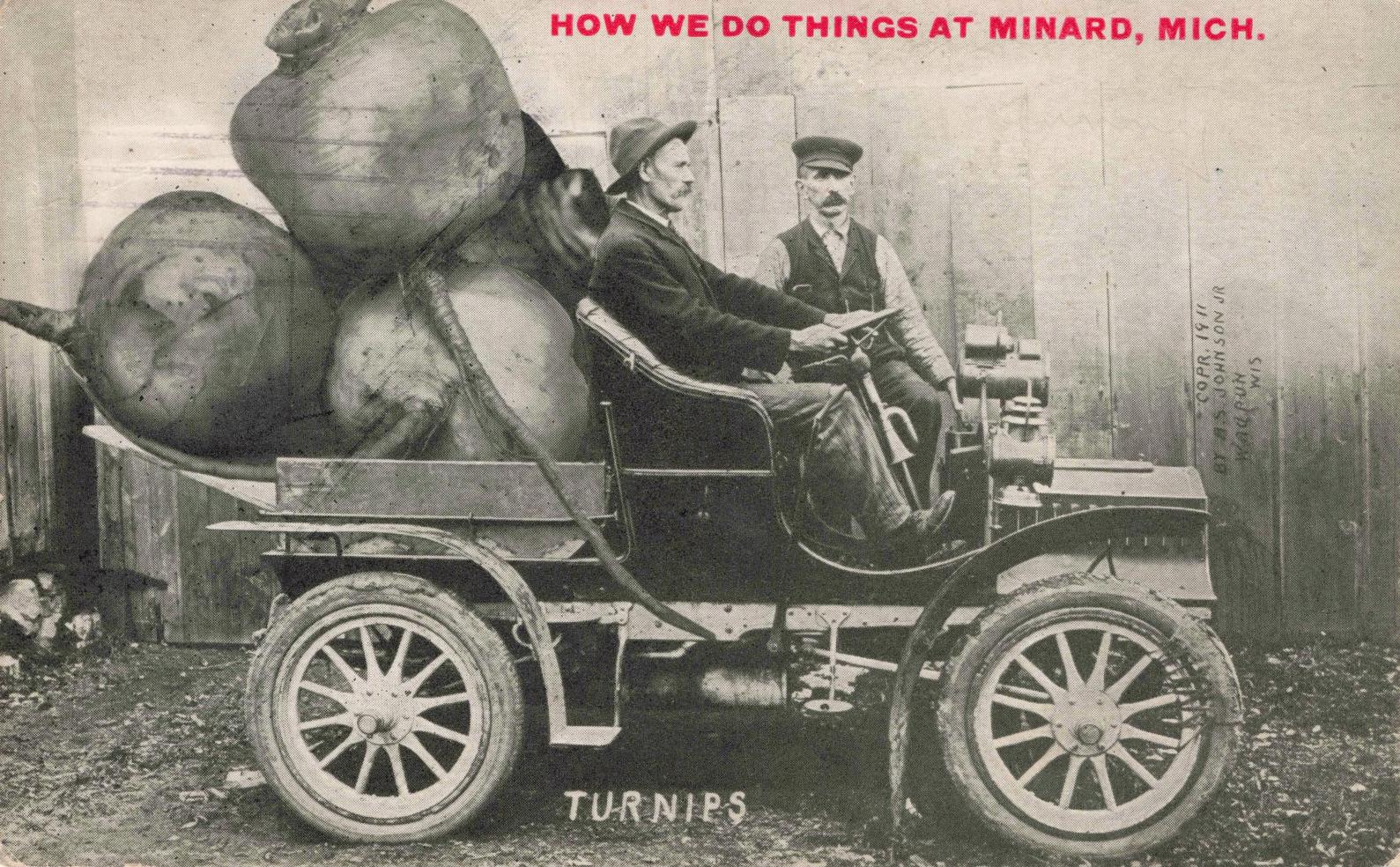
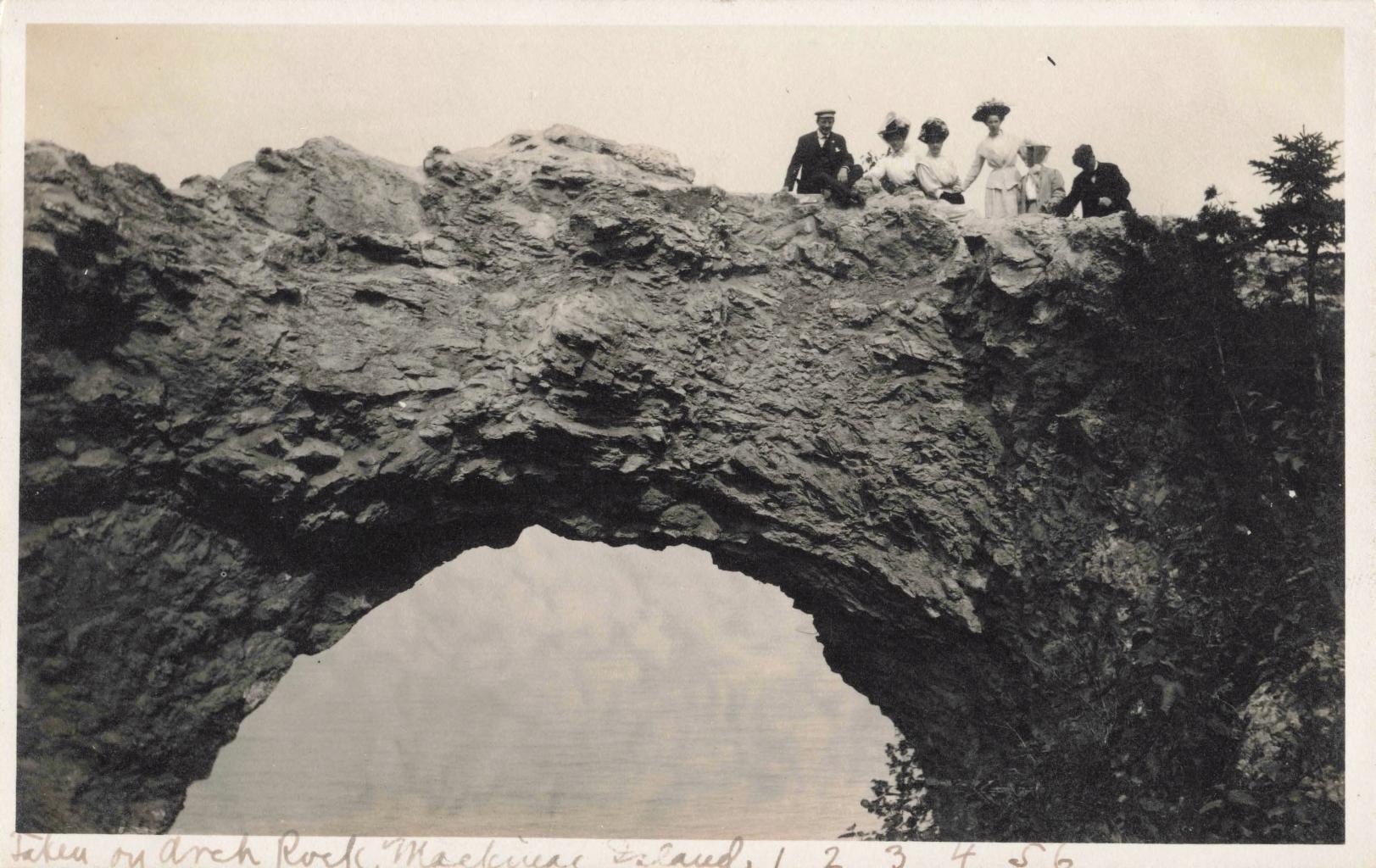
The David V. Tinder Collection of Michigan Photography consists of over 120,000 images in a variety of formats including daguerreotypes, ambrotypes, tintypes, cartes de visite, cabinet photographs, real photo postcards, stereographs, and mounted and unmounted paper prints. The collection is primarily made up of vernacular photographs of everyday life in Michigan taken by both professional and amateur photographers from the 1840s into the mid-twentieth century. The real-photo postcard series has been digitized and is available here. Compiled by Tinder, this reference work contains biographical information about virtually every known commercial and significant amateur photographer in the state of Michigan from the first known appearances in the 1840s into the early twentieth century.
Michigan collection, 1759-1959
The Michigan collection contains approximately 300 miscellaneous items relating to present-day Michigan during the 18th through the 20th centuries. Spanning 1759 to 1947, it comprises letters and documents pertaining to Native American activities, French settlement, trade, politics, town growth, agriculture, and land surveying. Of note, this collection contains the May 12, 1781, deed by which the British forces at Fort Michilimackinac (Mackinaw City) acquired Mackinac Island from the Ojibwa people.
Lewis Cass papers, 1774-1924
The Lewis Cass papers contain the political and governmental letters and writings of Lewis Cass, who served as Governor of the Michigan Territory (1813-1831) and U.S. Senator from Michigan (1849-1857), among other roles. Items include letters, speeches, financial documents, memoranda, literary manuscripts, newspaper clippings, and a travel diary. The collection contains 55 letters from Cass’ tenure as Governor of Michigan Territory and approximately 278 letters from his time as Michigan’s Senator. It also contains material concerning relations between the United States and Native Americans.
Lucius Lyon papers, 1770-1934 (majority within 1833-1851)
The Lucius Lyon papers contain the public correspondence of Lucius Lyon, United States representative and senator from Michigan, and surveyor general for Ohio, Indiana, and Michigan. Letter writers include Michigan governors, legislators, postmasters, physicians, and other local politicians, as well as residents of Michigan, Wisconsin, northern Illinois, and Indiana, and national Democratic Party leaders during the years Lyon served in Congress.
Harriet DeGarmo Fuller Papers, 1852-1857
The Harriet DeGarmo Fuller papers consist of four bound volumes of records and eight miscellaneous receipts of the Michigan Anti-Slavery Society, kept between 1852 and 1857, when Harriet DeGarmo Fuller was a member of the executive committee of the Society. The albums have been digitized and can be accessed here.
Stinchfield Family Papers, 1837-1899
The Stinchfield family papers contain the correspondence, business records, financial and legal documents, photographs, and genealogical papers of the Stinchfield family, founders of a successful lumber business in Michigan in the mid-19th century. The collection also includes materials related to social and family events in Grosse Pointe and Bloomfield Hills, Michigan, through the mid-20th century.
Thomas Duggan journal, 1795-1801
Thomas Duggan managed the British Army’s Indian Department storehouse at Fort Michilimackinac and St. Joseph Island with the 24th Regiment of Foot. In this journal, he detailed the outpost’s interactions with Ojibwa (referred to as Chippewa in the journal), Ottawa, Potawatomi, Sioux, and Cherokee groups that came to the store for “presents” of food, arms, and supplies, from October 31, 1795 to September 6, 1801.
John M. Johnston collection, 1820-1939 (majority within 1820-1892)
This collection contains 65 letters, financial records, and legal documents related to John M. Johnston, a Native American language interpreter who lived in Sault Ste. Marie, Michigan, and to Native Americans in Michigan during the 19th century. Henry R. Schoolcraft and Ramsay Crooks contributed letters and documents to the collection.
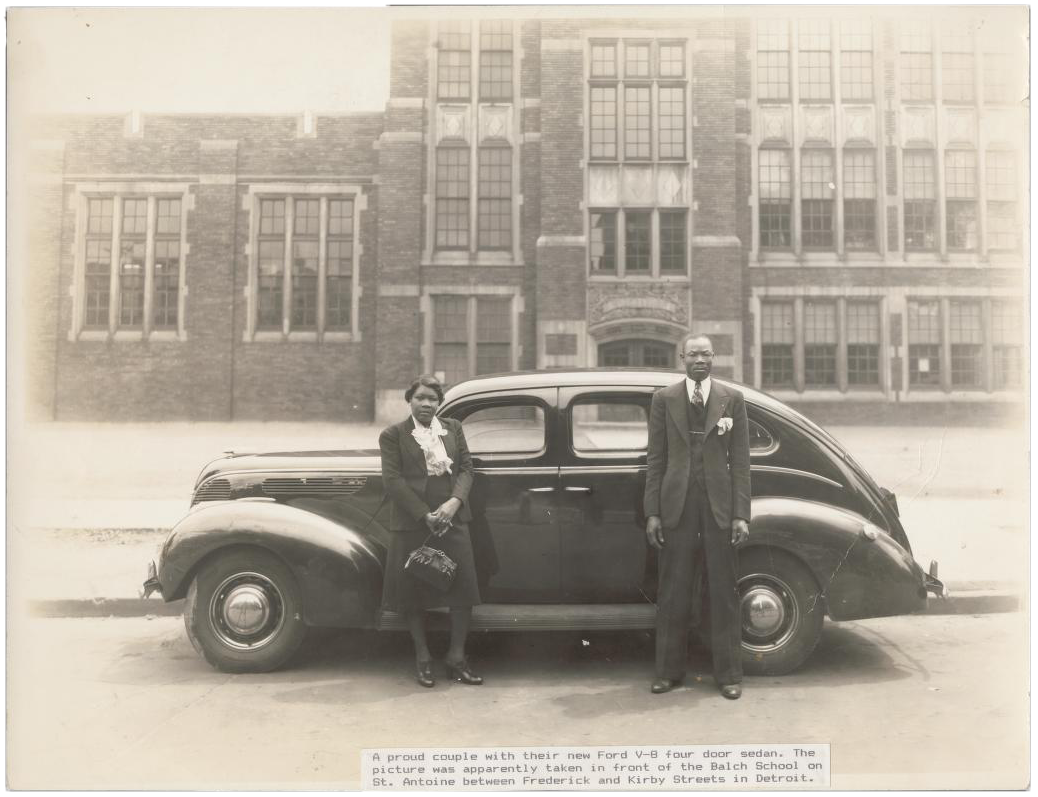
Black Bottom Collection, ca. 1941-1965
The Black Bottom Collection consists of 58 pieces of ephemera, 67 photographs, and 1 hand-written note relating to nightclubs (particularly Lee’s Club Sensation), social institutions, and other African American-owned businesses once located in Detroit’s Black Bottom Neighborhood.
Samuel Williams papers, 1814-1856
The Samuel Williams papers contain the correspondence, mainly business-related, of the chief clerk in the office of the surveyor-general of the Northwest Territory. William’s letters touch on, among other things, the difficulties in establishing the boundary between Michigan and Ohio and in surveying the terrain of Michigan amid snow and fallen timber. The Survey Records series contains 30 undated records for the Michigan Territory, which include latitude and longitude calculations and comments on trees and soil for various areas of the territory.
Wilkinson-Burbeck letters, 1796-1797
This collection is made up of letters that Brigadier General James Wilkinson sent to Major Henry Burbeck from Ohio and Michigan in the late 1790s. He discussed logistical affairs related to the Northwest Territory, mentioning roads, trade, relations with Native Americans and Europeans, events in the Mackinac region, and other subjects.
Hiram B. Crosby journal, 1872
This journal reflects the experiences of Hiram B. Crosby, a New York City lawyer, during his trip to Michigan’s Upper Peninsula in the fall of 1872. As part of a prospecting party, Crosby analyzed the potential for iron mines near Iron Mountain, Michigan. He recorded his impressions of local scenery, commented on his daily activities, and described the area’s Native American settlements and peoples. The volume contains 24 pen and ink drawings.
Edward H. Thomson papers, 1826-1924 (majority within 1836-1885)
This collection contains the correspondence, legal documents, and financial records of Edward H. Thomson, a lawyer who lived in Flint, Michigan, in the mid-1800s. Many items pertain to Thomson’s involvement in mining ventures in the Lake Superior region of Michigan’s Upper Peninsula.
Asa Waldo Wildes daybook, 1849-1864 (majority within 1857)
The Asa Waldo Wildes daybook contains an account of his 1857 trip from Detroit to Michigan’s Upper Peninsula via Lake Huron and Lake Superior, as well as poetry, financial accounts, and a draft of an 1857 survey report.
Travel Ephemera Collection, ca. 1800s-2000
The Travel Ephemera collection consists of approximately 2,500 items related to travel in the United States and elsewhere spanning the 19th and 20th centuries. Materials mainly include travel brochures, pamphlets, schedules, and maps for various modes of transportation as well as travel guidebooks. To find items related to Michigan, you may browse Series I: Destinations by region (i.e. North Central) or by state (i.e. Michigan).
Subject Headings & Keywords
To find materials on Michigan history in our holdings, search by Subject Headings in our catalog or finding aids. We suggest combining search headings with other keywords of interest or relevance to your research. The following subject headings and keywords may be particularly productive as a starting point:
Subject Headings
- Agriculture--Michigan.
- Baraga, Frederic, 1797-1868.
- Copper mines and mining--Michigan.
- David V. Tinder Collection of Michigan Photography.
- Detroit (Mich.)--History.
- Detroit (Mich.)--History--Surrender to the British, 1812.
- Dwellings--Michigan.
- Education--Michigan.
- Farms--Michigan.
- Fort Detroit (Detroit, Mich.)
- Fort Mackinac (Mackinac Island, Mich.)
- Fort Michilimackinac (Mackinaw City, Mich.)
- Fur trade--Michigan.
- Huron, Lake (Mich. and Ont.)
- Indians of North America--Michigan.
- Indians of North America--Northwest, Old.
- Iron mines and mining--Michigan.
- Logging--Michigan.
- Lumbering--Michigan.
- Mackinac Island (Mich.)--Description and travel.
- Michigan--Description and travel.
- Michigan--History.
- Michigan--History--Civil War, 1861-1865.
- Michigan--History--War of 1812.
- Michigan--Imprints.
- Michigan, Lake.
- Michigan--Maps.
- Michigan--Politics and government.
- Michigan Territory--Politics and government.
- Mining--Michigan.
- Northwest, Old--History.
- Ojibwa Indians.
- Ottawa Indians.
- Pontiac’s Conspiracy, 1763-1765.
- Potawatomi Indians.
- Railroads--Michigan.
- Real property--Michigan.
- River Raisin, Battle of the, Monroe, Mich., 1813.
- Schools--Michigan.
- Soldiers--Michigan.
- Summer resorts--Michigan.
- Superior, Lake.
- Universities and colleges--Michigan.
- Upper Peninsula (Mich.)
- Upper Peninsula (Mich.)--Description and travel.
- Women--Michigan.
Keywords
- Anishinaabe
- Fort Detroit
- Lake Michigan
- Mackinac
- Michigan State University
- Michilimackinac
- Photograph album
- University of Michigan
Digital Resources
Digitized Archival Collections
Other Digital Resources
- Online Exhibit: “No, not even for a picture”: Re-examining the Native Midwest and Tribes’ Relations to the History of Photography
- Online Exhibit: Framing Identity: Documenting Communities: African American Photographers in Michigan
- Online Exhibit: American Encounters: Ojibwe (Anishinaabemowin) Texts
- Article in Quarto #37, First Series: Mackinac Island Deed is Returned to Michigan (page 1)
- Quarto #15: Detroit’s 300th
- Quarto #27: The Old Northwest
- Article in Quarto #32: “To Bring the Tribes Together There” (pages 6-7)
- Article in Quarto #56: “Detroit, The Airship City”
- Bookworm #16: Outdoor Photography from the Upper Peninsula
- Bookworm #22: French and Native Americans in Early Detroit
- Bookworm #33: Detroit’s Hidden Channels: The Power of French-Indigenous Families in the Eighteenth Century
- Bookworm #34: Michilimackinac, “Where archaeology and history meet”
- Bookworm #45: Classic Food and Restaurants of the Upper Peninsula
- Blog Post: Today in History: Michigan’s 175th Anniversary
- Blog post: Today in History: Fort Mackinac Captured by British
- Blog post: Today in History: William Hull Surrenders Detroit
- Blog post: Today in History: Remember the Raisin
- Blog post: Clements Library Acquires Previously Unknown Plan of 1790 Detroit
- Blog post: Empire and Encounter at Detroit
- Blog post: Empire and Encounter at Detroit: “Habitants,” Hired Labor, and the Enslaved
- Blog post: Empire and Encounter at Detroit: Native Nations, Native Labor
- Blog post: Book Review: “Frontier Metropolis: Picturing Early Detroit, 1701-1838”
- Blog post: Joseph Cabay, or Kewakezhig: A Home in the Skies
- Blog post: Clements Library acquires rare hand-drawn map of Detroit from 1761, pursues crowdfunding
- Blog post: Breaking into the Past: An Instance of Code Cracking in the Tinder Postcard Collection
- Blog post: Mapping Michigan
- Occasional Bulletin #2: The David V. Tinder Collection of Michigan Photography
- Occasional Bulletin #5: “Rough Scetch of the King’s Domain at Detroit”
- Catalog: One Hundred Michigan Rarities by Colton Storm and the William L. Clements Library (1950)
Last Updated 10/28/26