
A nod of the head to Robert Burns and Clara L. Walmer from the Clements Library this Halloween 2025.
Over 150 years ago, in the early 1870s, the annual celebration of Halloween in the United States was fading, according to one journalist. In The True Democrat of York, Pennsylvania, they wrote that the day had once featured “extraordinary demonstrations” by young people, but that general observance was dying out, and they anticipated it would one day pass by unnoticed.1 What was Halloween to this writer and his audience, and what demonstrations was he talking about?
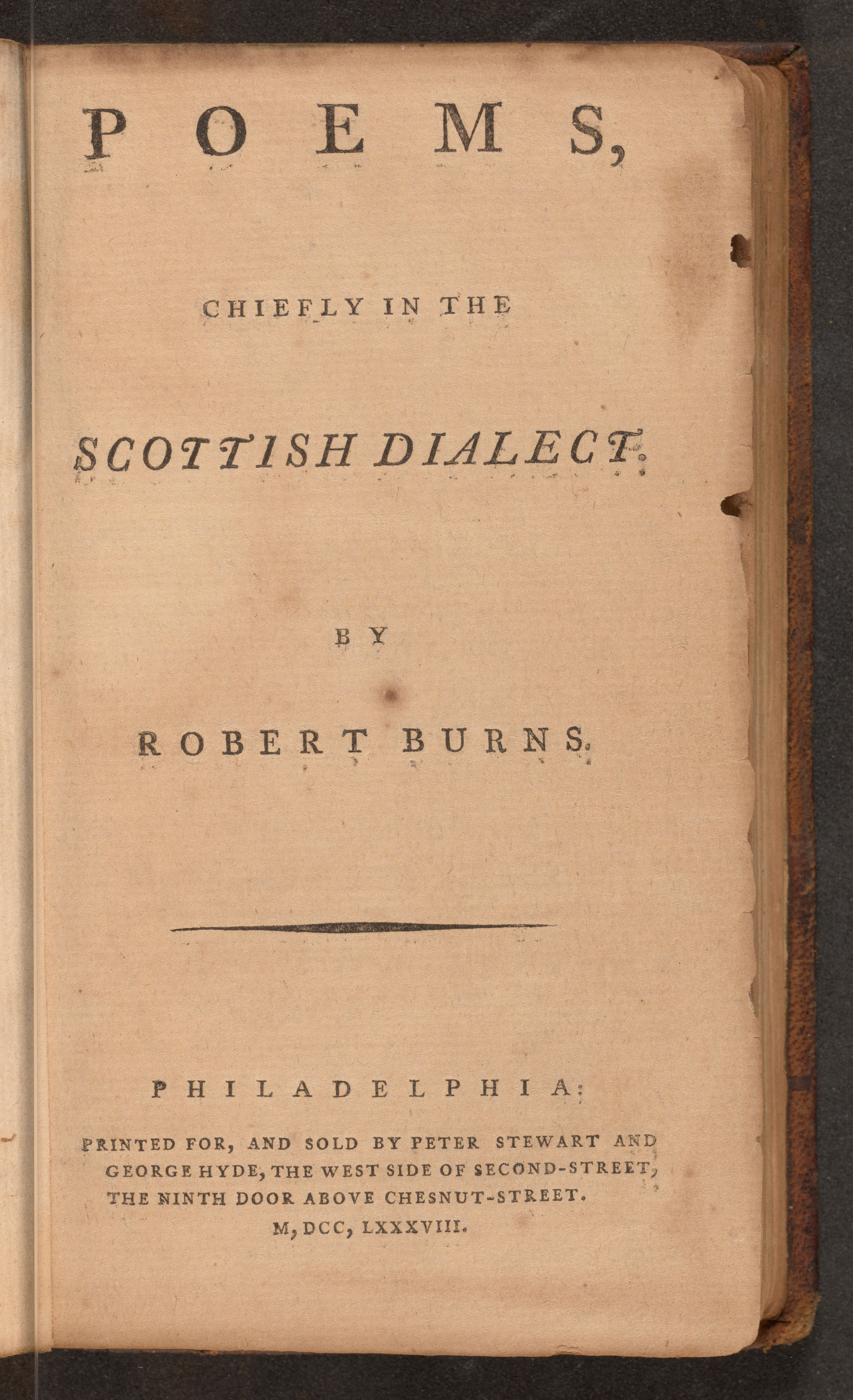
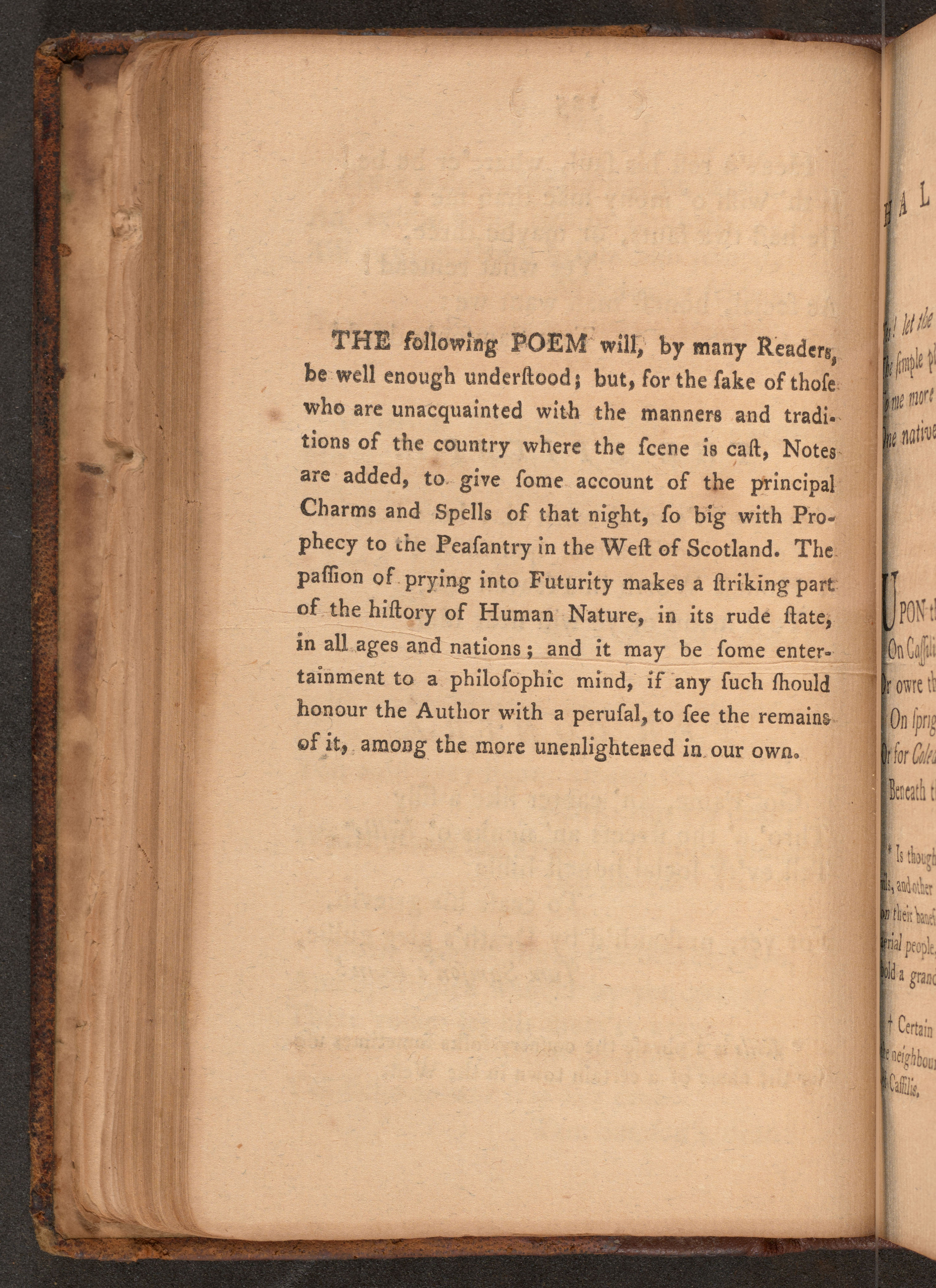
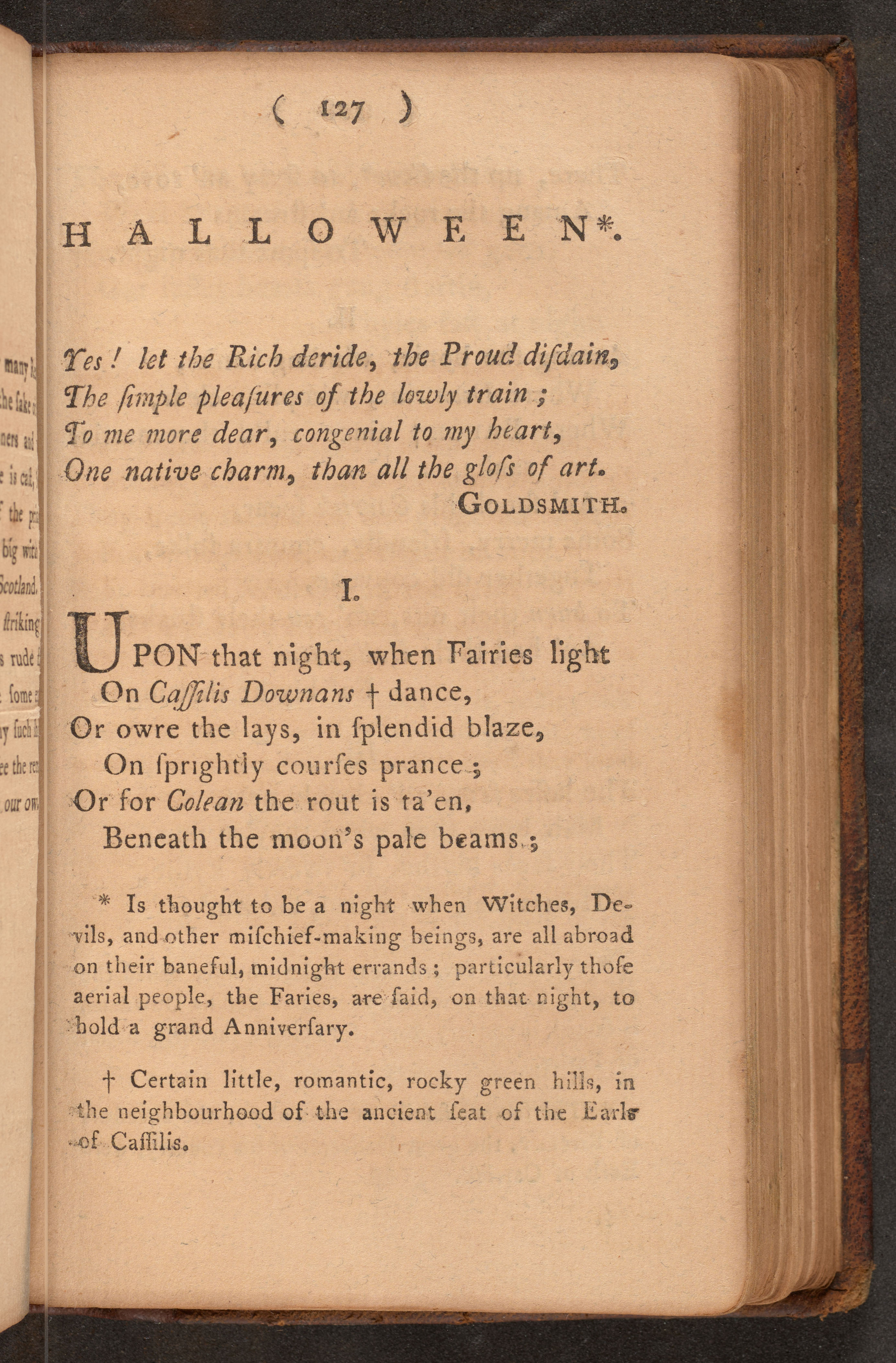
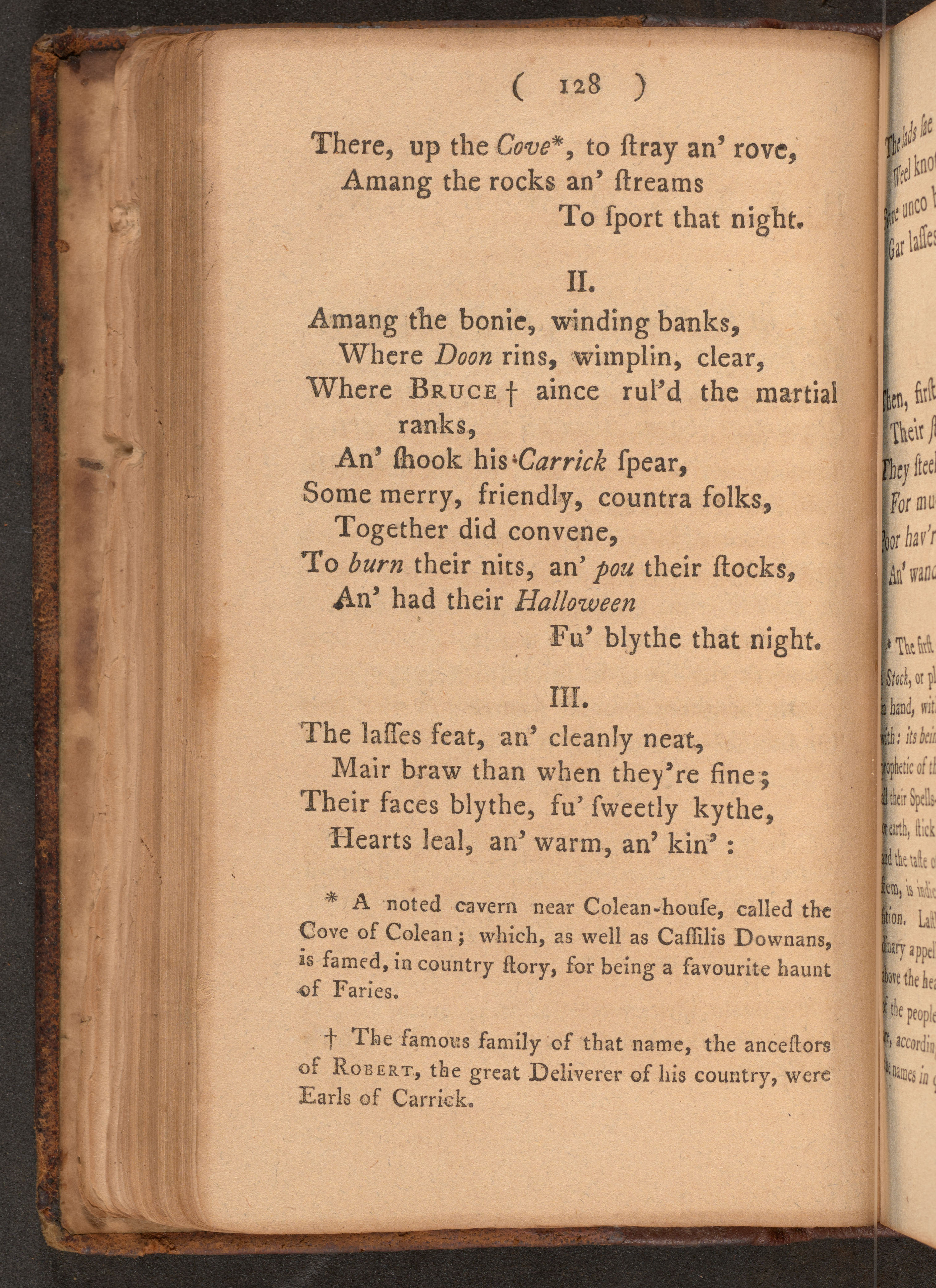
A reporter from Harrisburg, some 40 miles up the Susquehanna River from York, confidently declared that the “leading idea respecting Halloween is that it is the time, of all others, when supernatural influences prevail. It is the night set apart for a universal walking abroad of spirits, both of the visible and invisible world…”2 Ah! And toward what end might teenagers and other young persons wish to utilize prevailing supernatural influences? Perhaps divination and spirit predictions related to courtship, lovers, and future spouses?!? This supposition rings true in the poetry of Robert Burns (1759-1796), whose popularity in the United States soared following the publication of Poems, Chiefly in the Scottish Dialect (Philadelphia, 1788). His themes of republicanism and liberty, as well as his representation of popular social rituals were part of his appeal to American audiences.
In Burns’ 1785 poem “Halloween” he included various ways young people performed spells or rites to discover information about their courtship prospects and future partners. A Pennsylvania journalist indicated that similar spells, rituals, and games were part of youth culture in the early 1870s.
For example, a young woman should place three nuts on bars of the fire grates; if the nuts crack or jump her lover will be unfaithful, and if they blaze or burn he will not. In a similar practice, two nuts are placed on the fire grates, with one named after the girl and the other after her lover; if they both burn, they will be married. Alternatively, a young woman could eat an apple in front of a looking glass [mirror] in order to see her future companion peering over her shoulder.
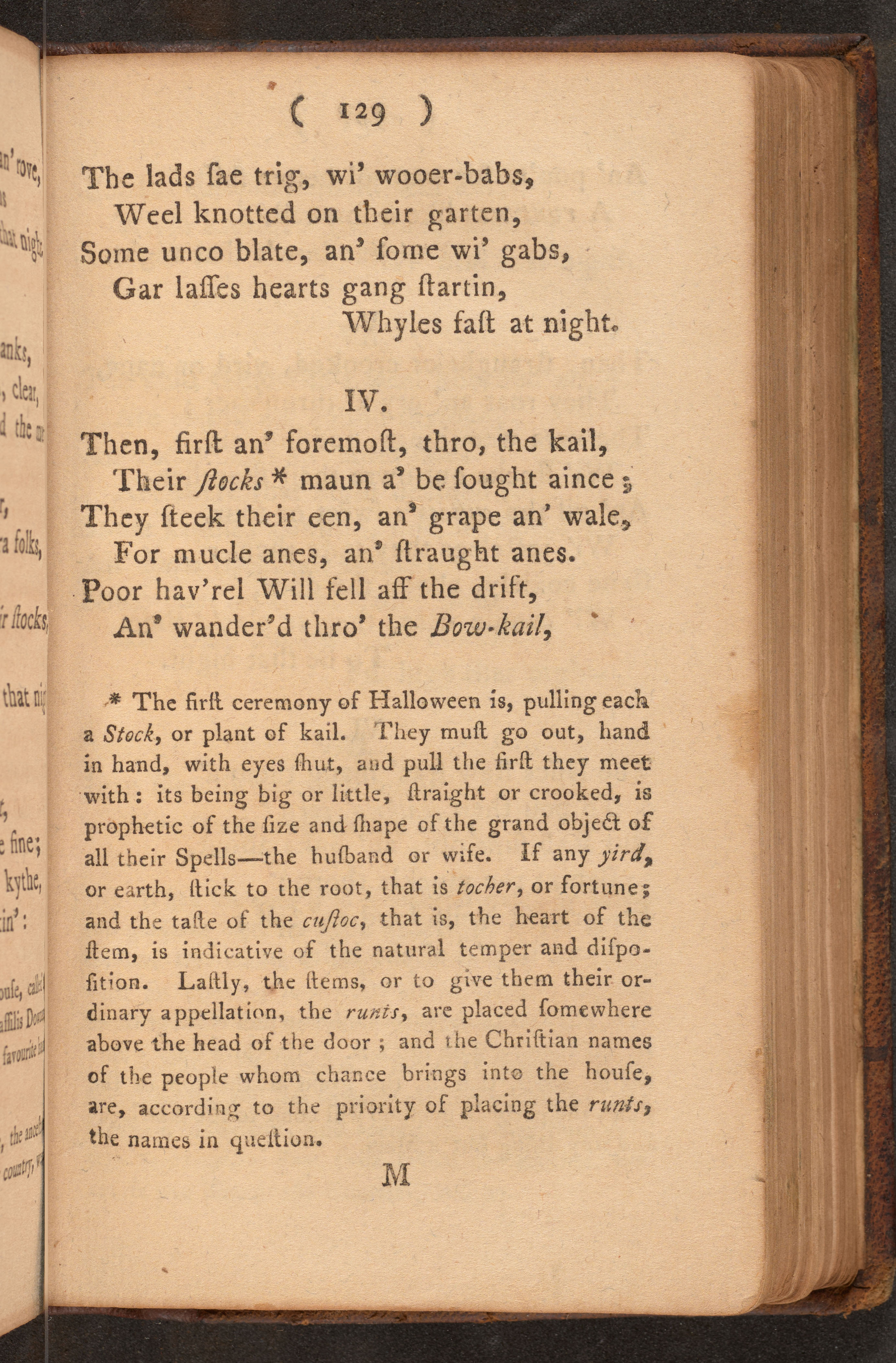
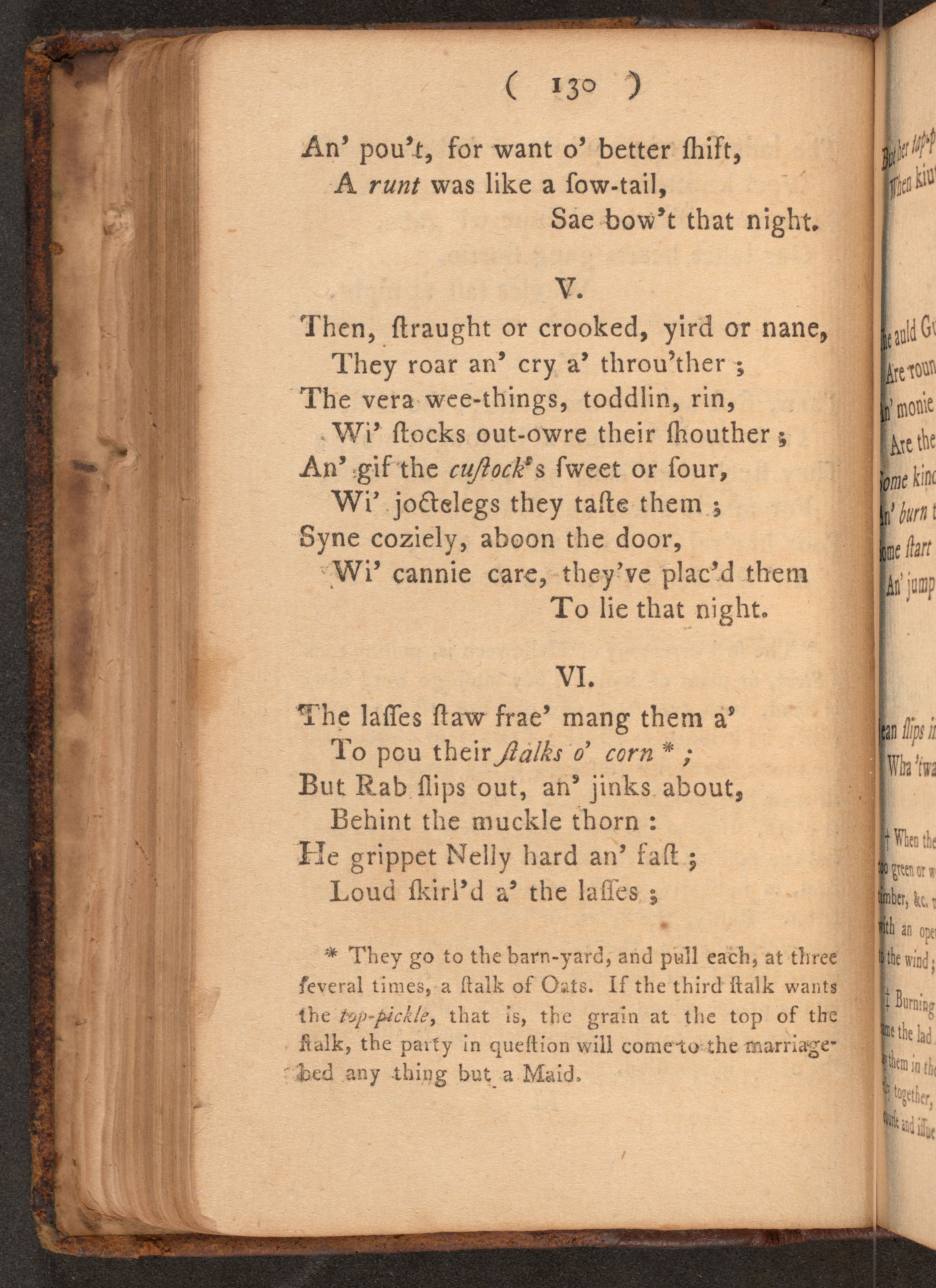
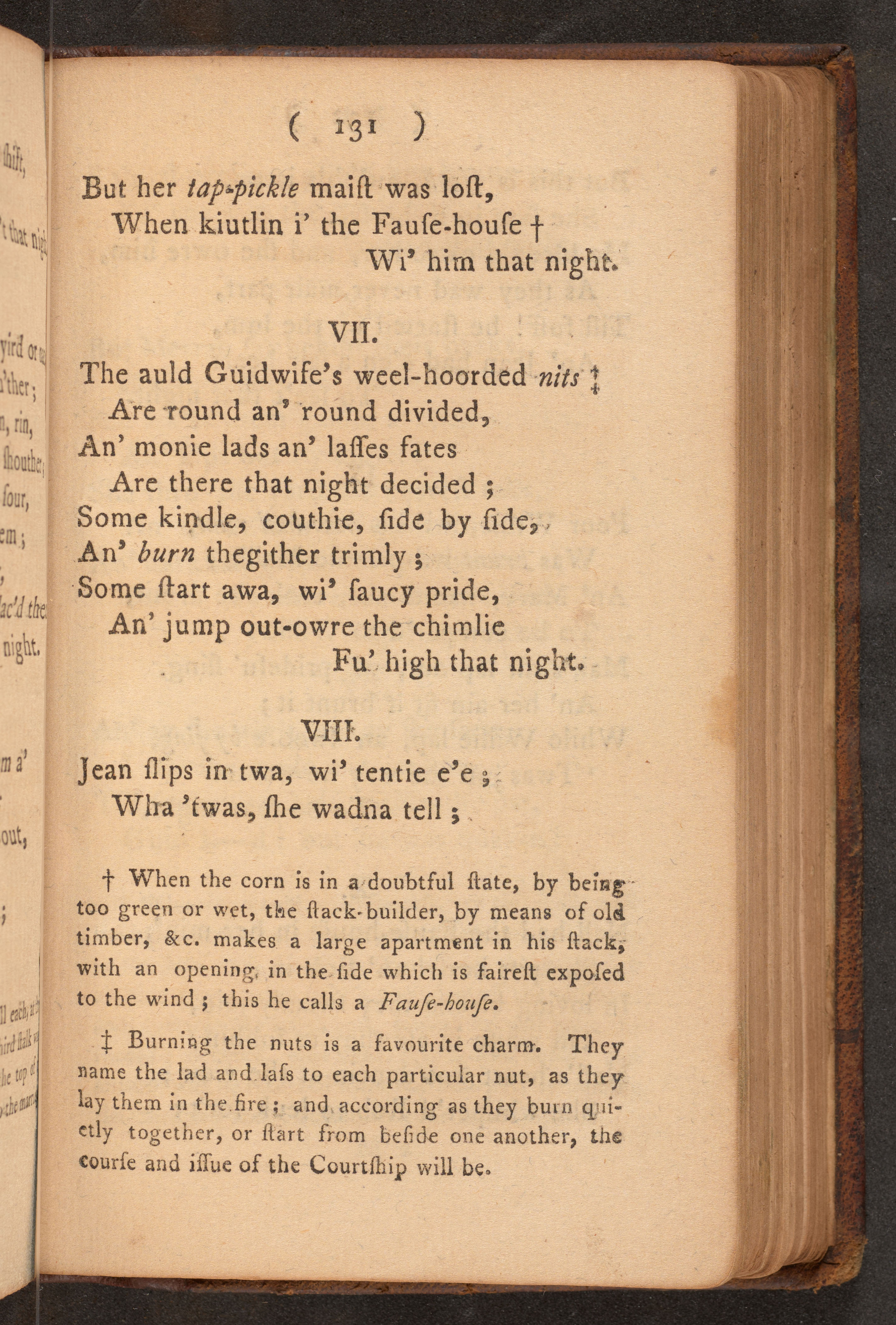
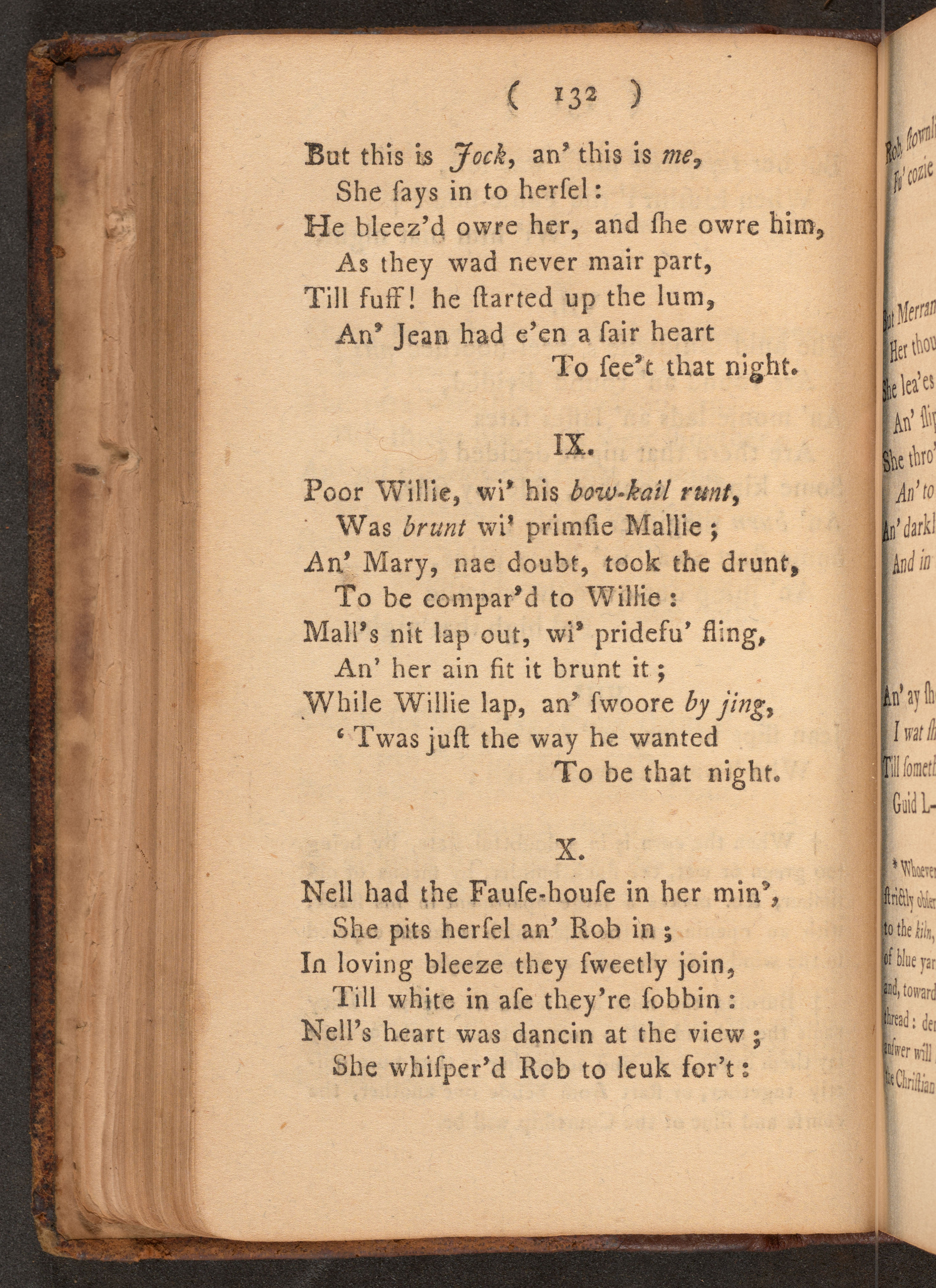
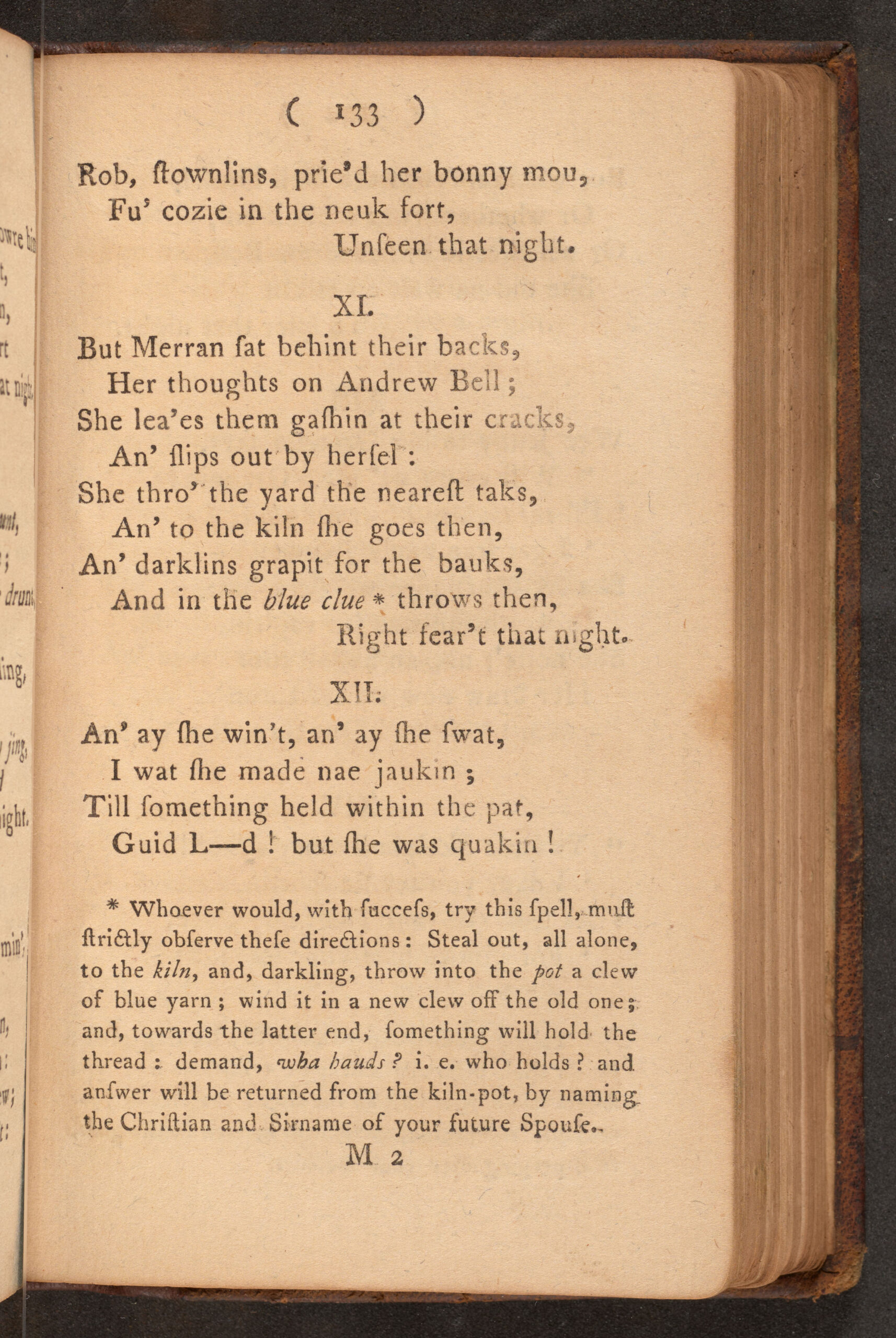
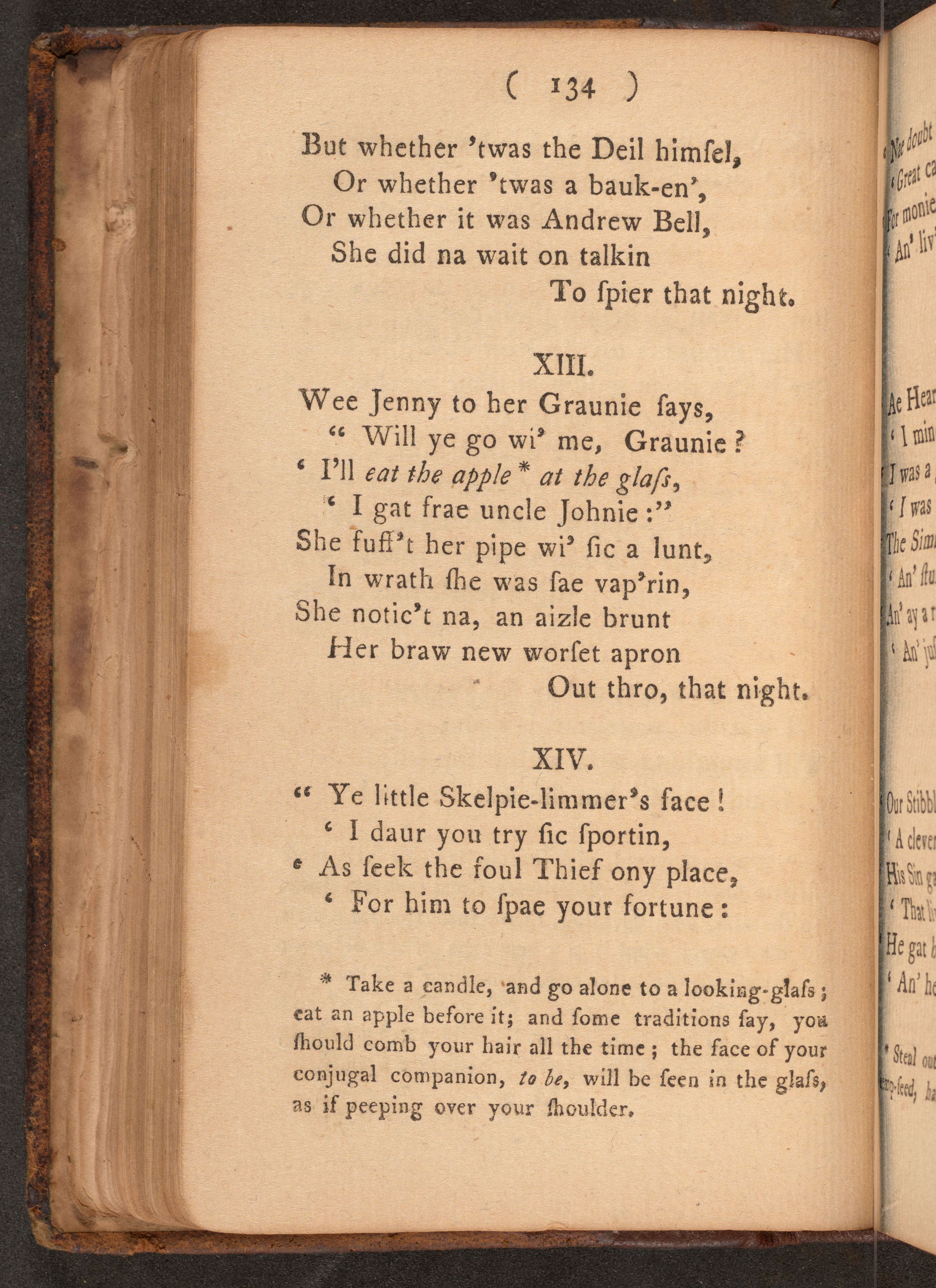
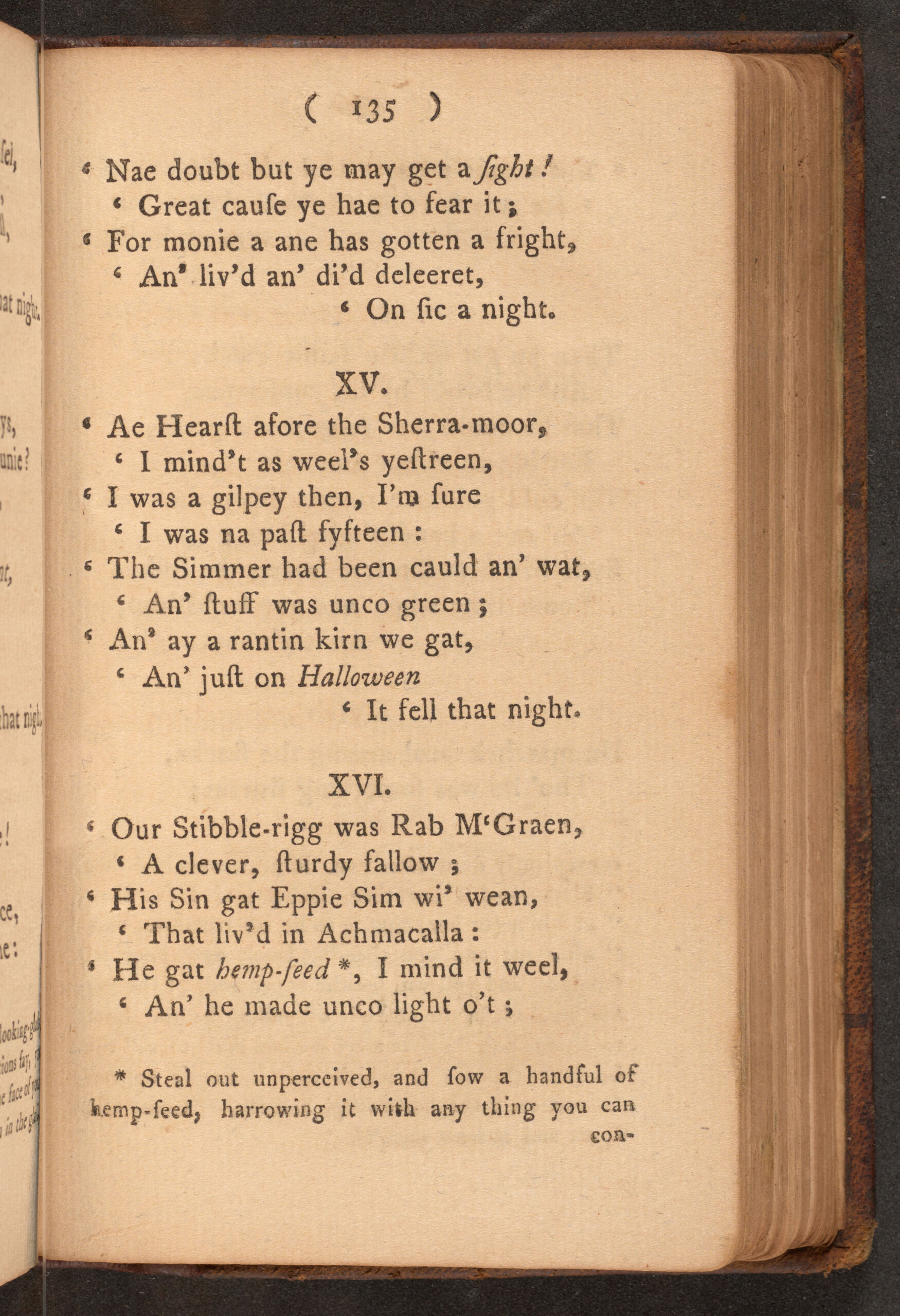
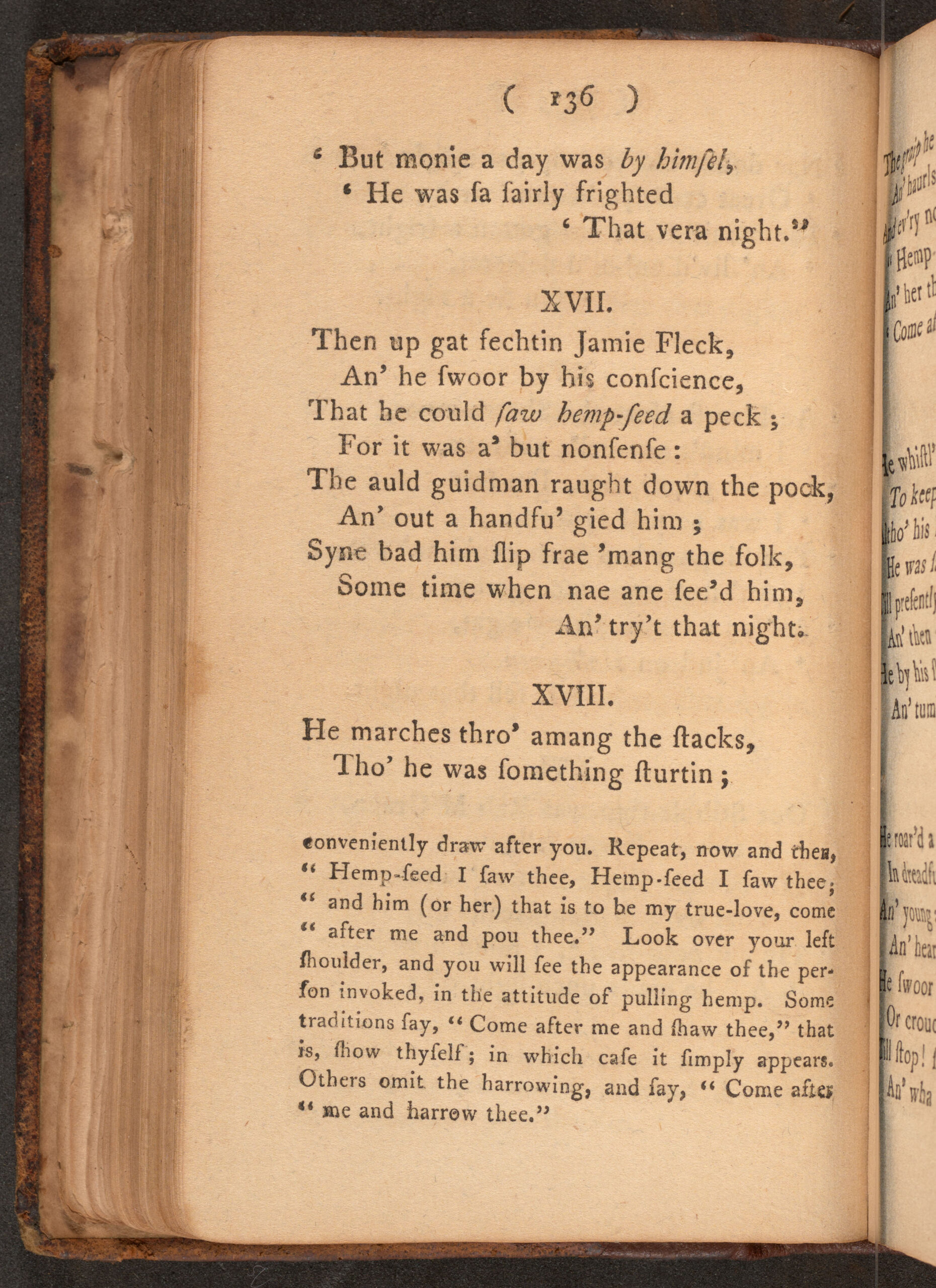
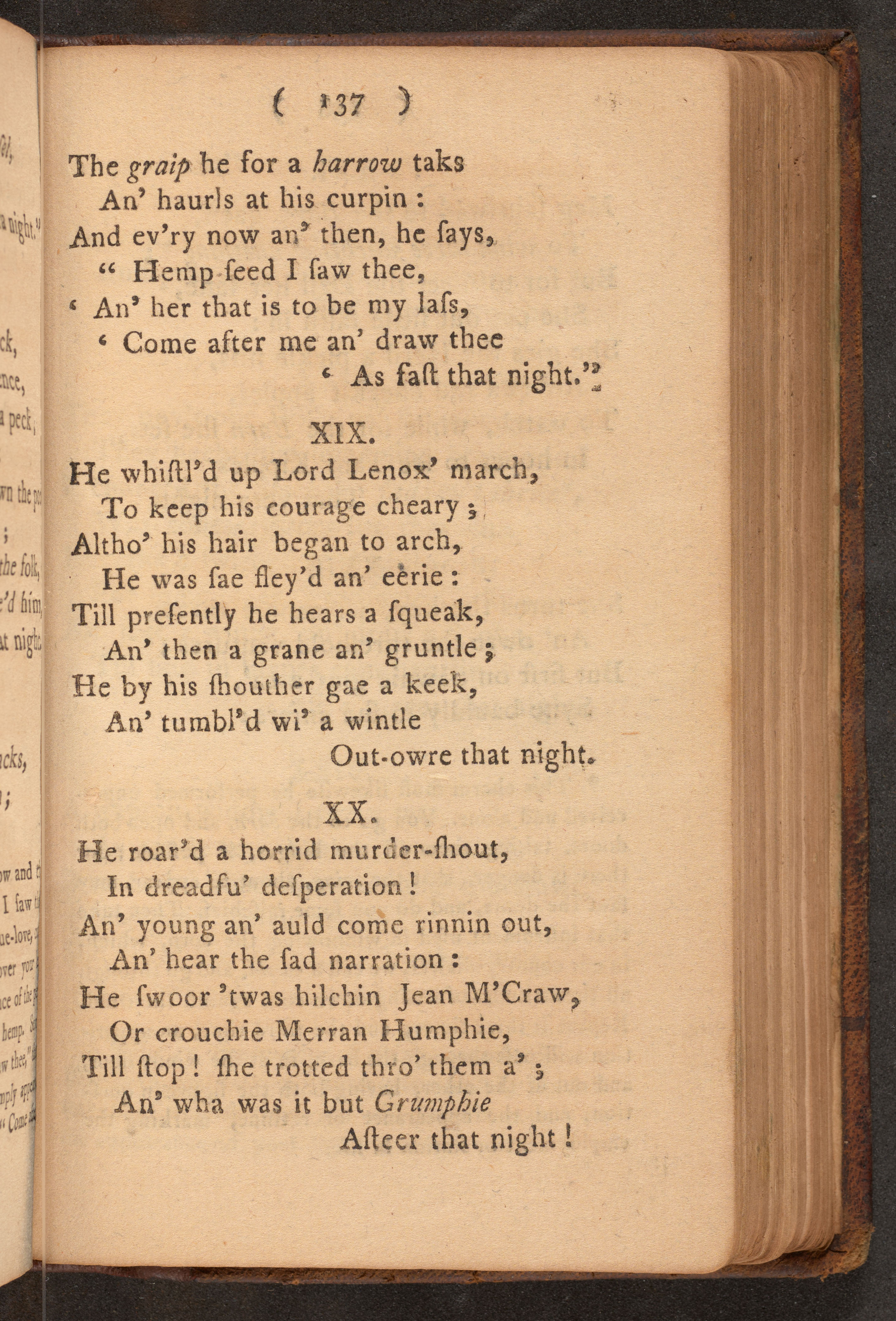
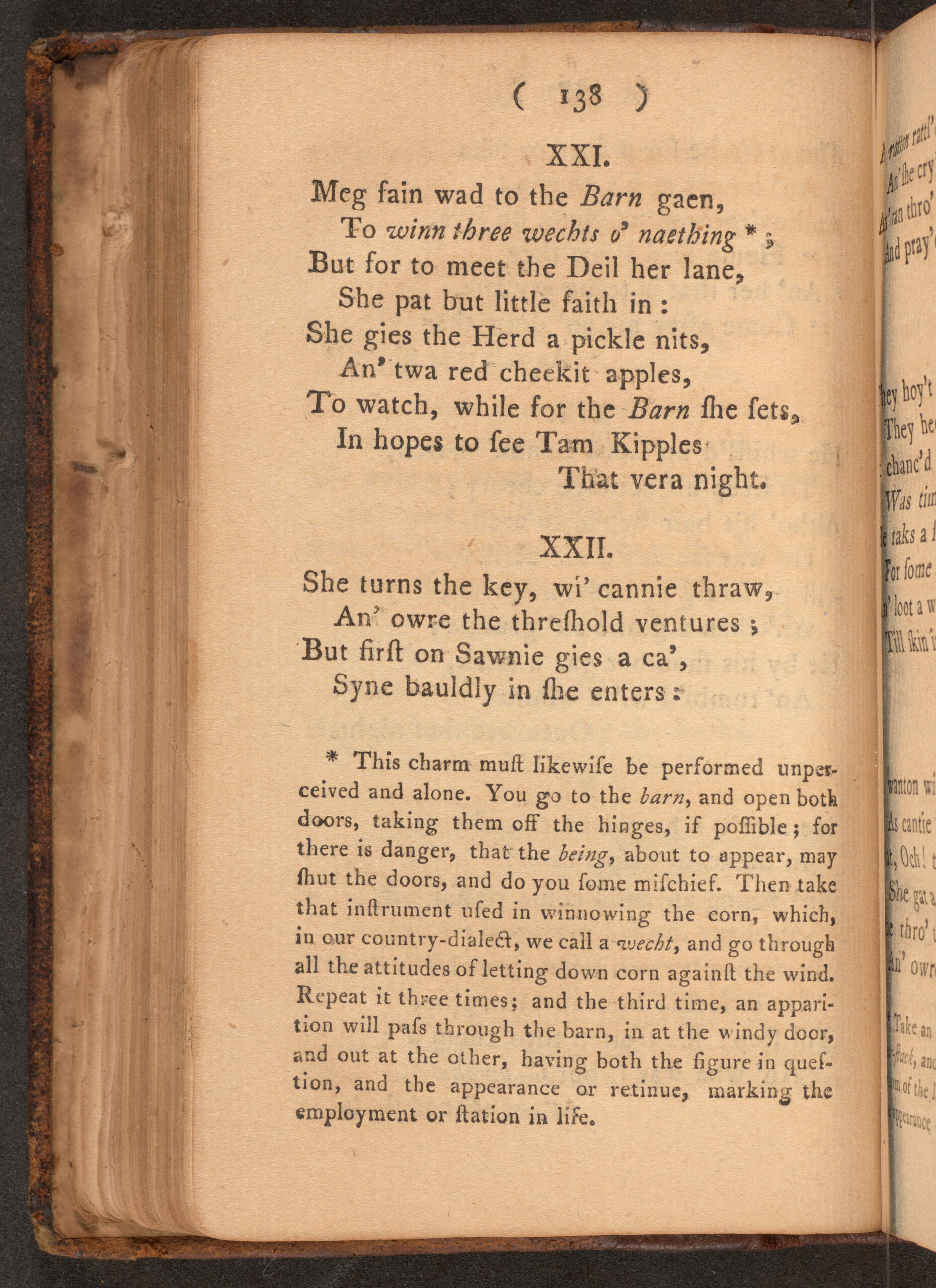
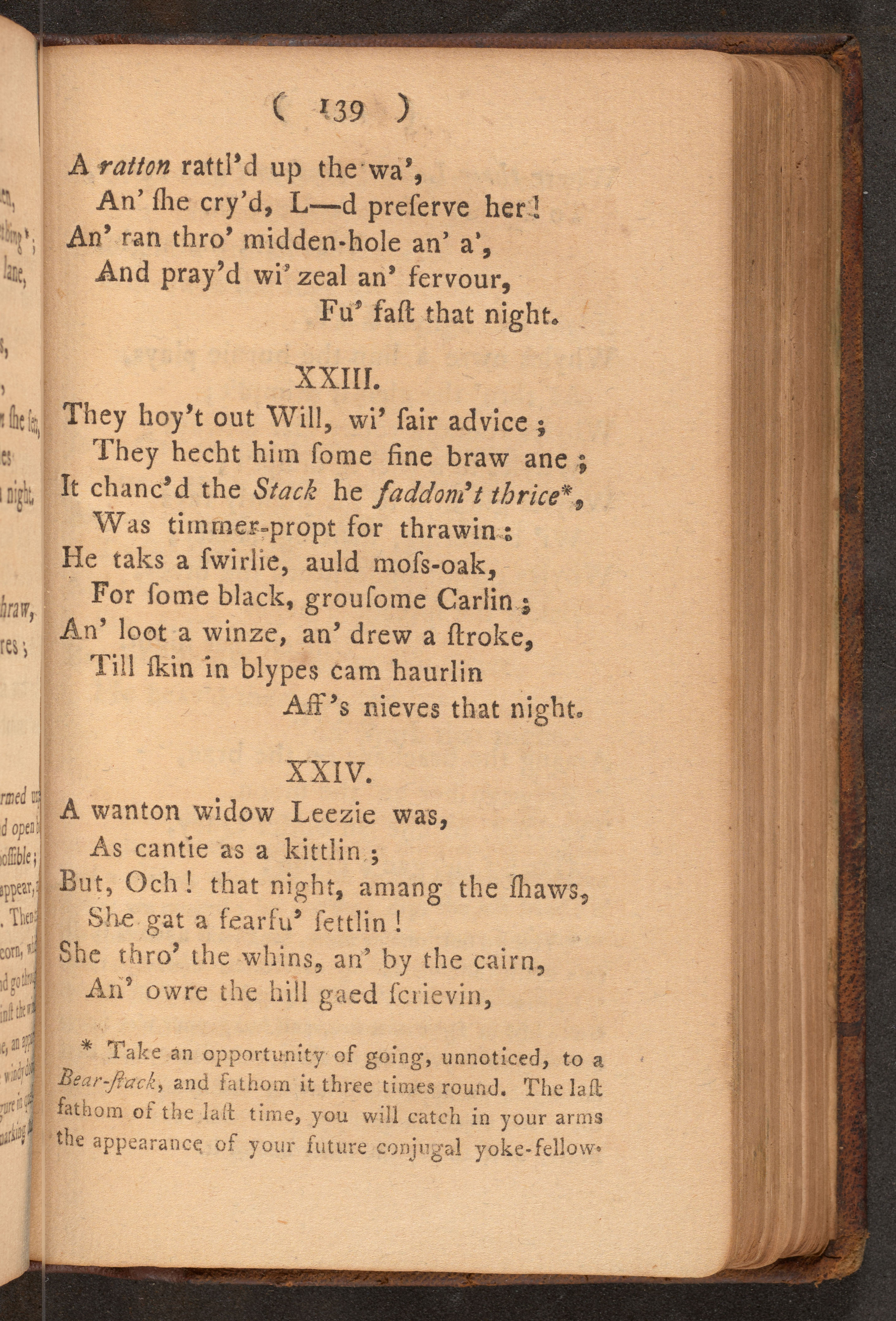
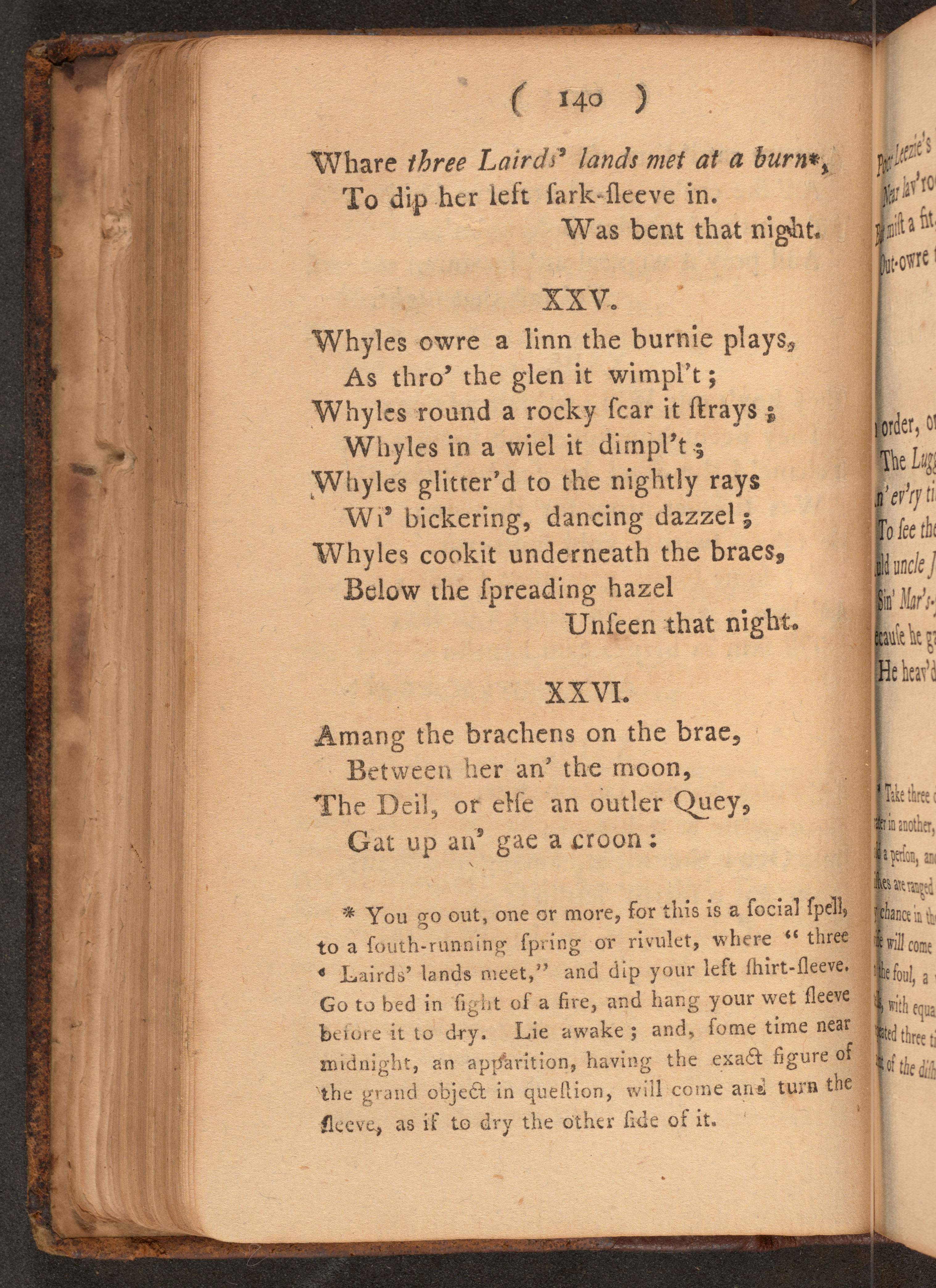
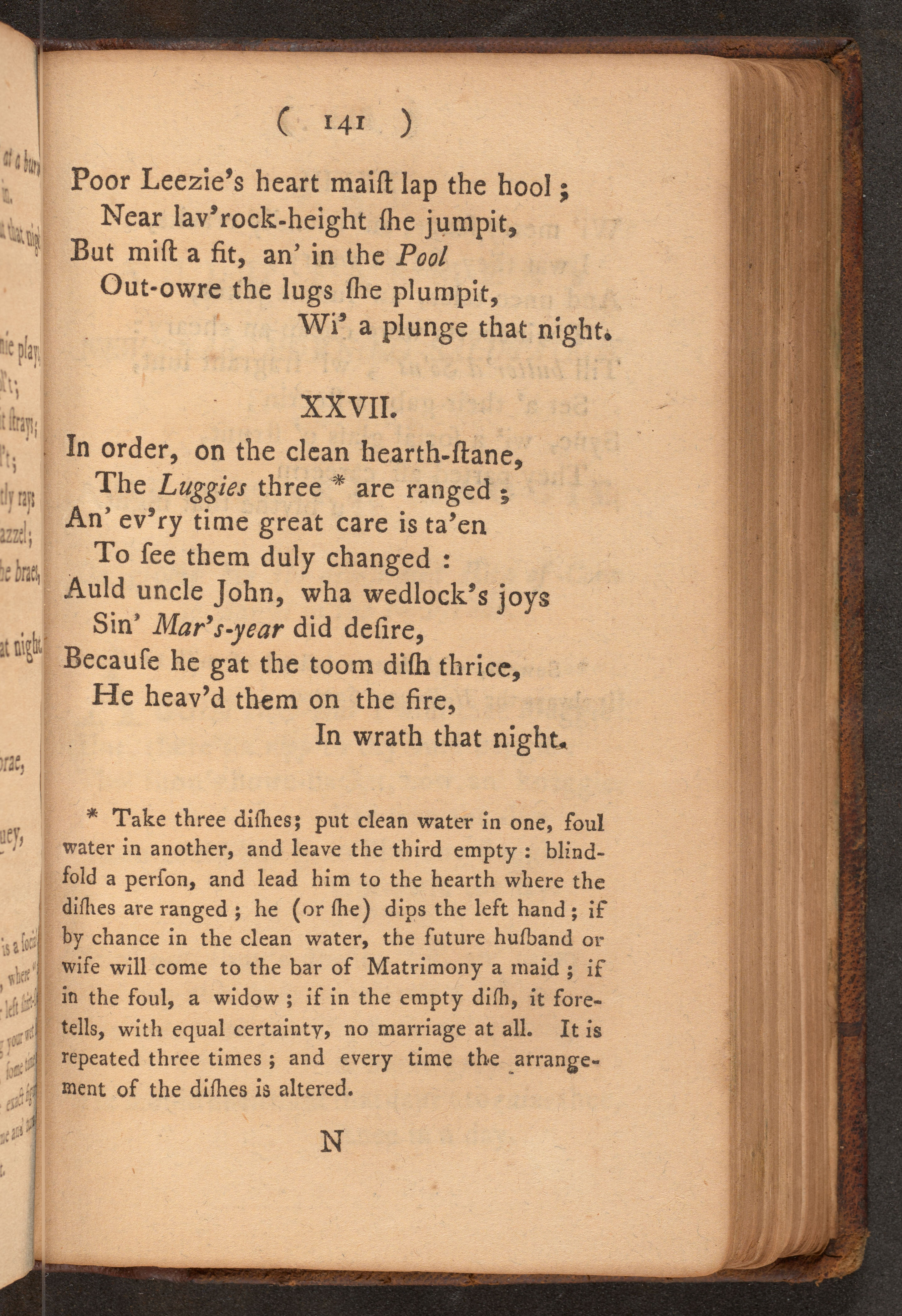
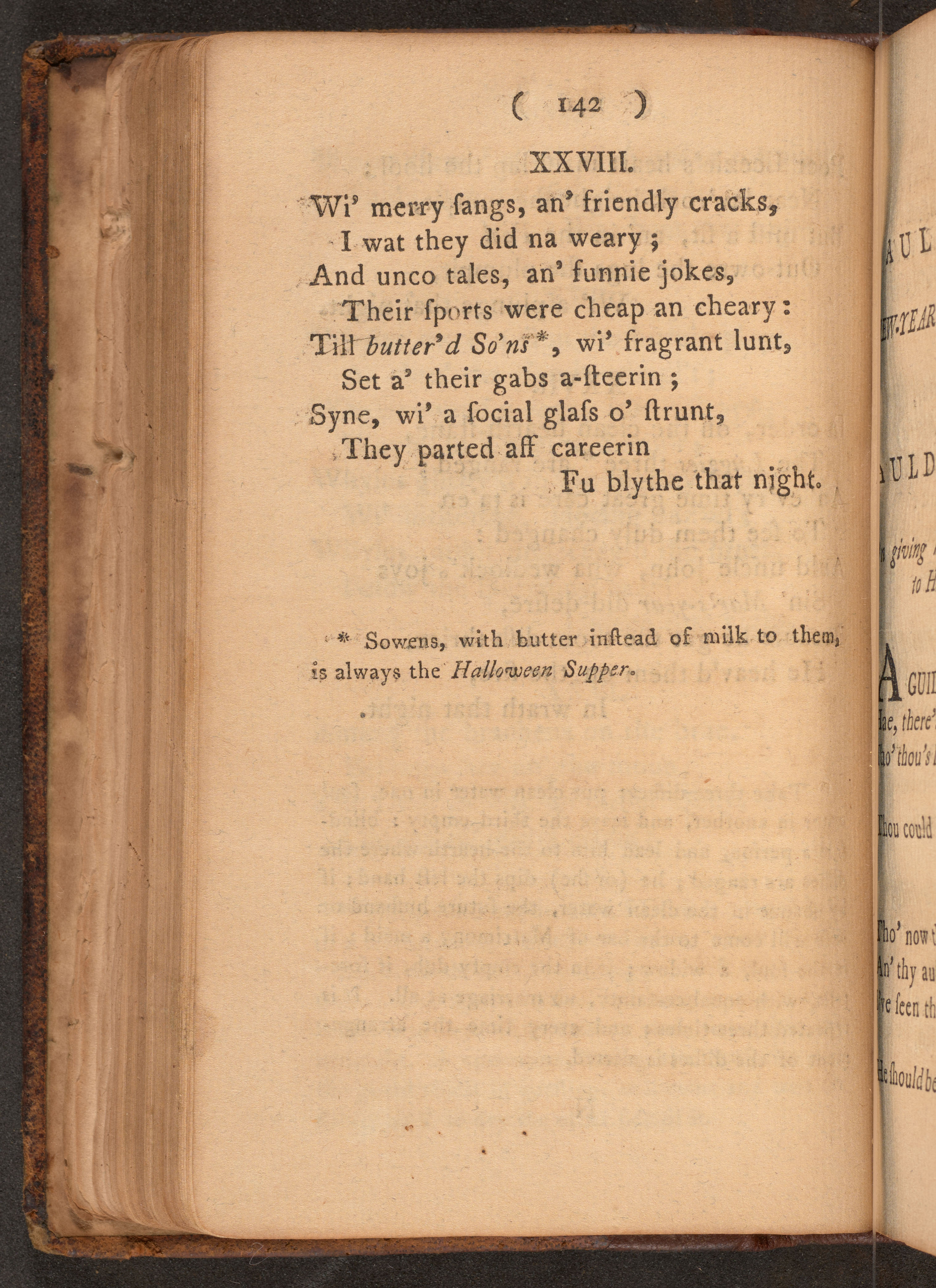
Some of the rituals were more complicated. Young people were told to place three dishes on the hearth: one with clean water, one foul, and one empty. Young men would be blindfolded and then dip their hands in a dish. Clean meant they would marry; foul meant their spouse would die; and empty indicated they would be a bachelor.
Curious young adults could also wet a shirt sleeve and hang it by the fire to dry, then lie in bed watching it until midnight. At that time, an apparition of their future life partner will come in to turn the sleeve. The correspondent added that a common custom in the U.S. was for a young lady to throw a ball of twine out the window and wind it up from inside; the first young man to pick it up from outside would be her future lover.2
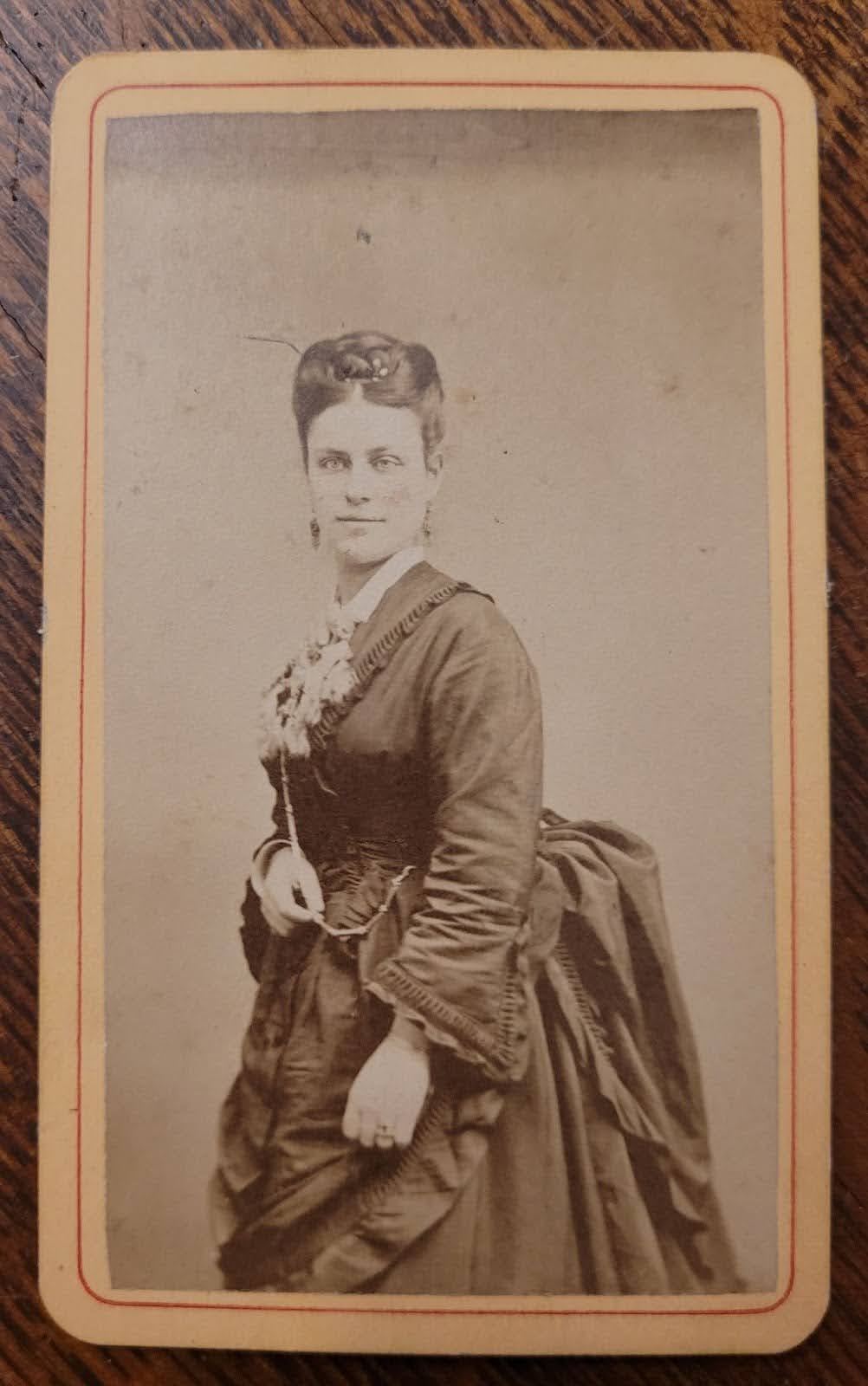
Portrait of Clara L. Walmer.
Mischief and pranks performed in early 1870s Central Pennsylvania–ostensibly under the influence of supernatural forces (or perhaps more terrestrial spirits)–included multiple late night hours of “wide-awake juveniles” (notably, unmarried young women) running about town and country, knocking on doors and fleeing; damaging doorbells and causing minor property damage; bombarding windows with corn, shot, and other things; shouting; and other pranks “peculiar to the occasion.” Hanging signs such as “New Livery Stable” over particular businessmen’s doors was also a common prank.
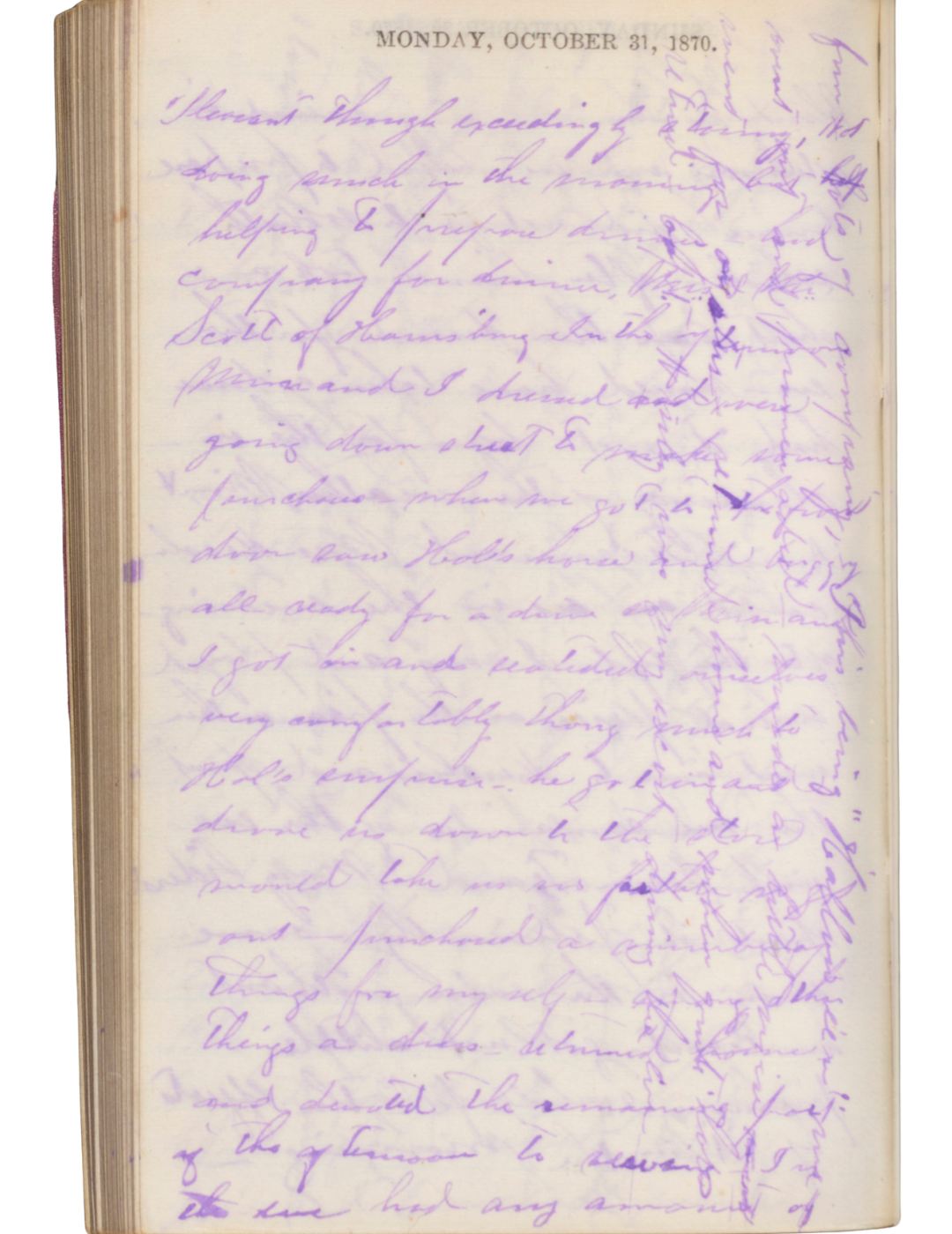
Clara L. Walmer spent the waning hours of October 31, 1871, reading before she fell asleep in her upstairs bedroom in Hummelstown, just east of Harrisburg. It had been a long day of household and community work, as she indicated in her diary: “Cloudy this morning, but cleared / off, before noon / Busy today, had / quite a large wash, hence / Was kept quite busy ironing / until after eight o’clock, Am / real glad ’tis over, and feel / a trifle tired.” At age 19, Clara lived at home with her family and spent time assisting with household and community labor. The previous Halloween she was out late at a promenade, flirting, carousing, and spending time with one of her suitors. This year, however, she was engaged to be married, and wrote in her diary: “Tonight is ‘Hallow een’ / town quite lively, a number / of the younger inhabitants of / town are enjoying themselves, / by throwing corn &c. . . . Read until quite late.“3
One year could make a huge difference in how young adults in the 19th century celebrated Halloween. But while the way that Clara Walmer observed the holiday changed dramatically, its popularity as a holiday primarily for the young has endured.
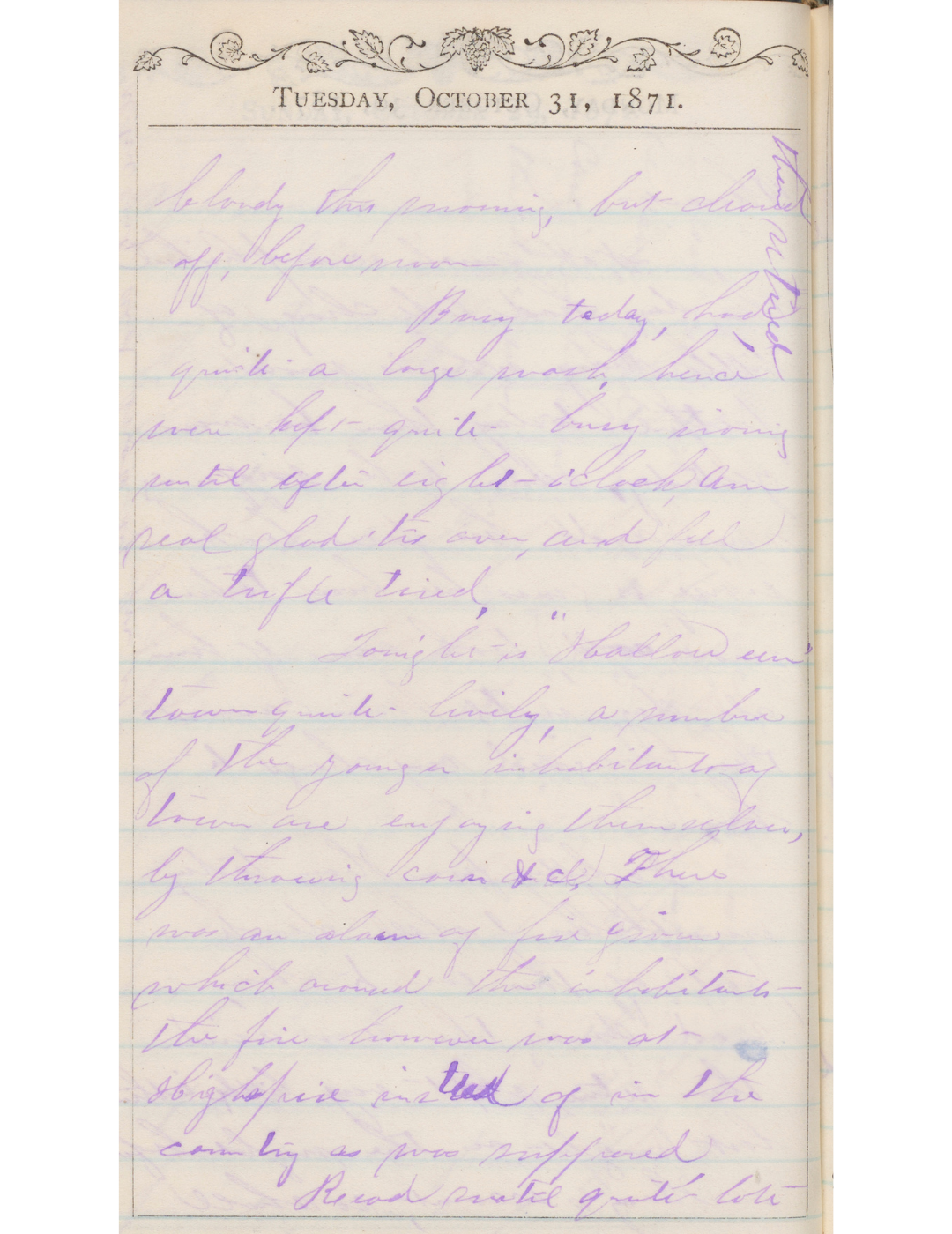
1 “Halloween,” The True Democrat (York, Pa.: November 8, 1870): 3.
2 “All Hallow’s Eve,” The Patriot-News (Harrisburg, Pa.: November 1, 1870): 1.
3 Clara L. Walmer Diaries, William L. Clements Library, The University of Michigan, Ann Arbor. Clara L. Walmer Diaries Finding Aid.