by Clements Library | Oct 15, 2026 | Acquisitions, Books, Clements Library Associates, Collections, Giving, Library Work, Students
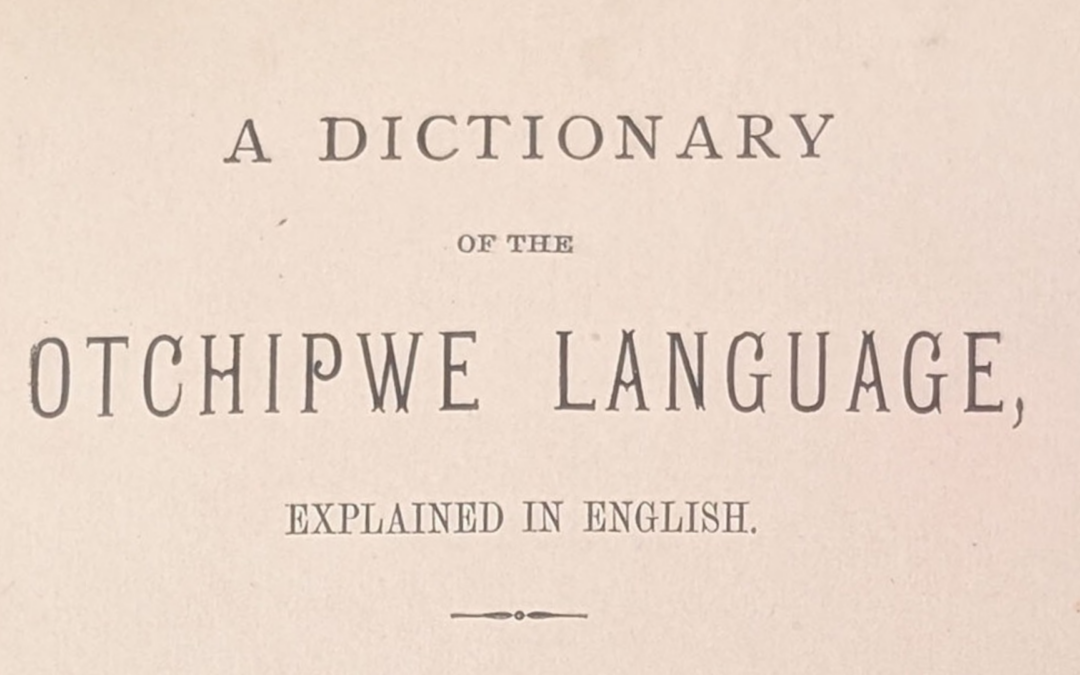
When life-long book collector Ed Surovell lost his eyesight, he wanted to ensure that his books would be preserved and made accessible for research well into the future. In December 2021, Surovell generously gifted the Clements Library his carefully curated collection of Native American language materials. With over 300 items, this collection represents books printed in more than 20 different Native American languages from North America, with a particular interest in material from the Great Lakes region.
by Clements Library | Jun 17, 2026 | Acquisitions, Books, Clements Library Associates, Collections, Events, Giving, Graphics, Manuscripts, Maps
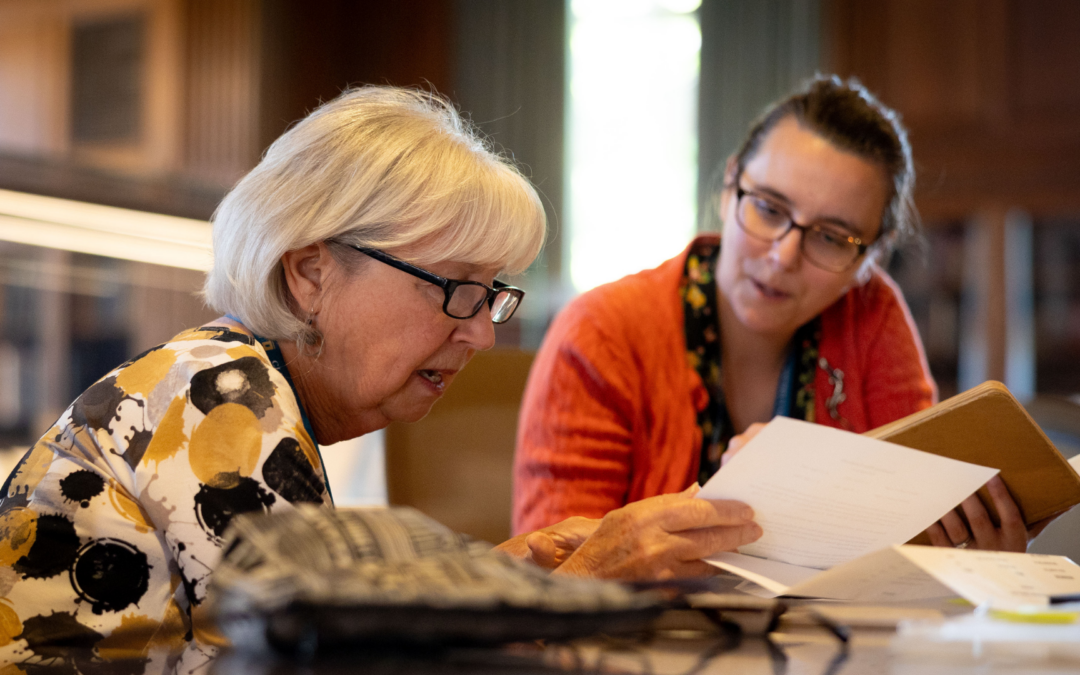
Last month, we hosted a “What’s In Your Attic?” open house-style events where members of our community brought their own paper treasures (letters, journals, photographs, prints, books, and maps) for discussion with Clements Curators and guest Americana collectors. A handful of our guests generously chose to donate materials to the Clements Library at this event, here are a few of those newly donated acquisitions!

by Isaac Burgdorf | May 21, 2026 | Books, Collections, Exhibits
By the 1830s, American ballooning had reached its heyday. American aeronauts made technological improvements that allowed them to achieve higher and farther flights.

by Isaac Burgdorf | May 21, 2026 | Books, Collections, Exhibits, Graphics, Manuscripts
This exhibit examines the history of balloon flight in the United States from Blanchard’s first ascension to the early twentieth century.
by Kelsey Turgeon | Apr 29, 2026 | Books, Collections, Day In The Life, Library Work
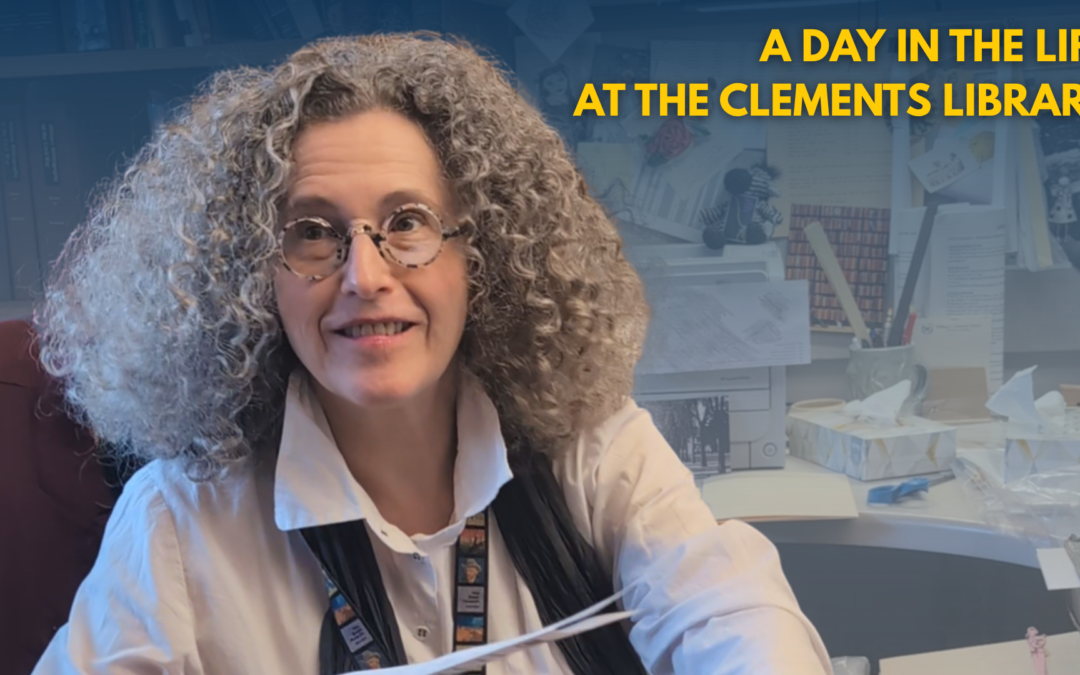
Welcome to “A Day in the Life at The Clements Library!” On the fourth edition of this series, we will meet with Oksana Linda, the Rare Book Cataloger at the Clements Library!
by Isaac Burgdorf | Jan 15, 2026 | Books, Collections, Exhibits, Featured
Contents Introduction Going Viral in 1776 Audi et Alteram Partem: Listen to the Other Side Revolution, Reaction, and the Rights of Man An Uncommon Conclusion Additional Resources Additional Resources American Revolution in the Clements Collections Thomas Paine papers,...
by Isaac Burgdorf | Jan 15, 2026 | Books, Collections, Exhibits, Featured
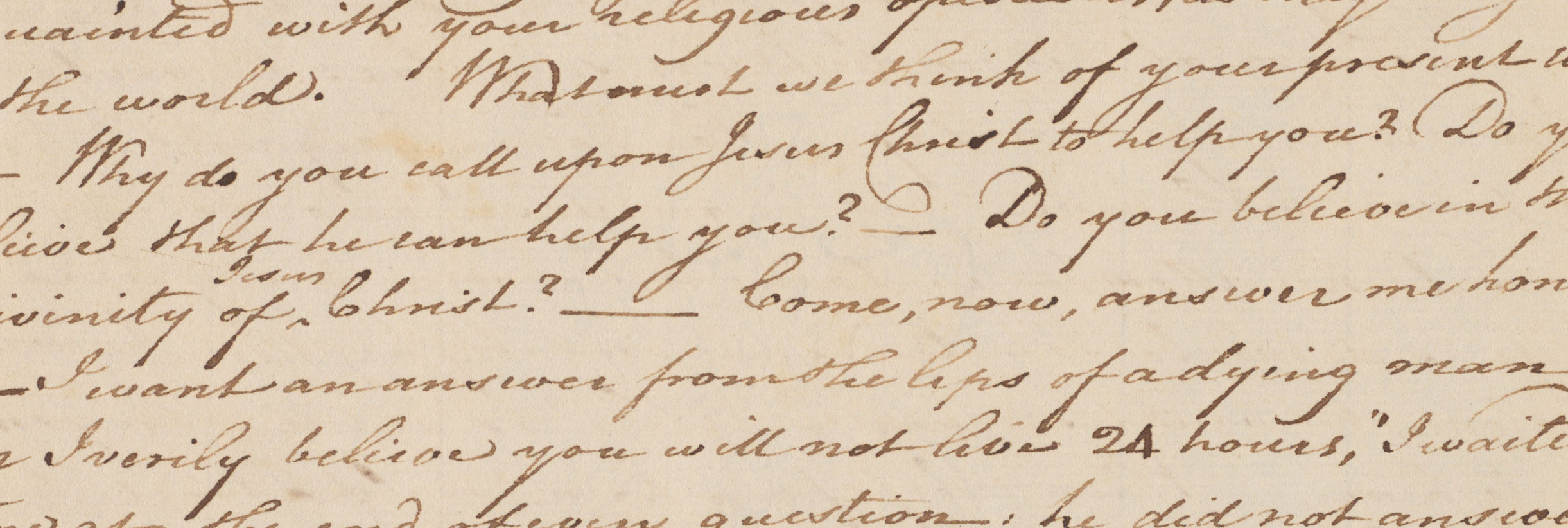
Paine’s revolutionary temperament was not restricted to matters of politics. His 1794 book The Age of Reason: Being an Investigation of True and Fabulous Theology extended his critique to theology and religion, questioning key tenets of the Christian faith, criticizing the institutional dimensions of religion more generally, and espousing Deism as the only faith compatible with human reason.
by Isaac Burgdorf | Jan 15, 2026 | Books, Collections, Exhibits, Featured
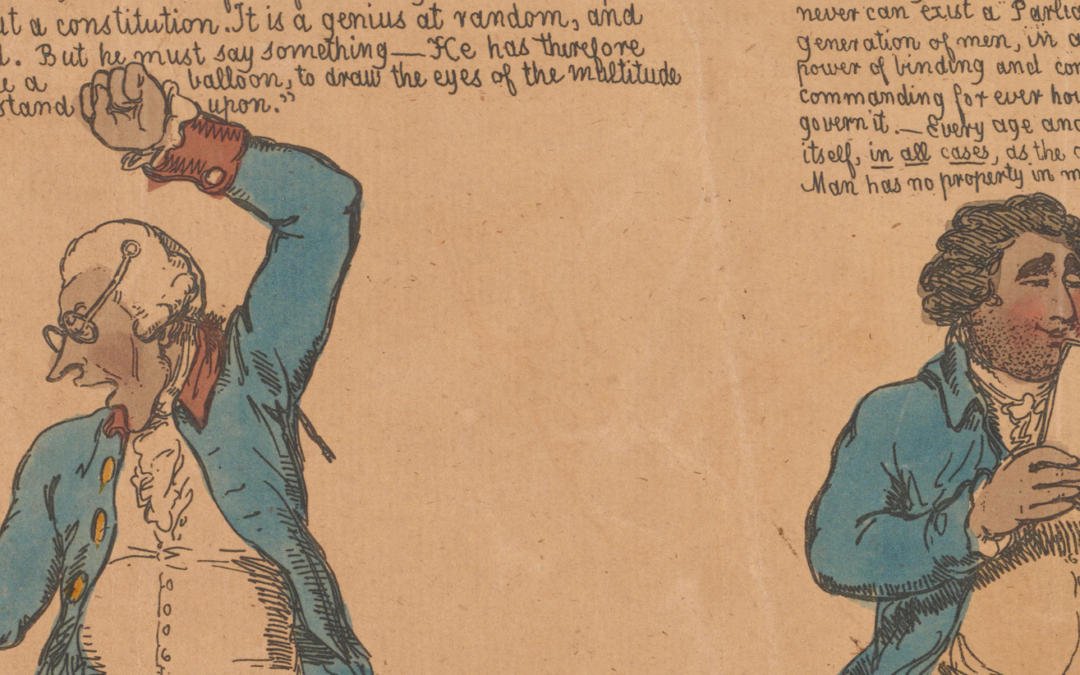
Fifteen years after the publication of Common Sense, Paine published the first part of his Rights of Man, a defense of the French Revolution. Rights of Man celebrated the French Revolution as heralding a new dawn of liberty and reason, and critiqued Edmund Burke’s 1790 Reflections on the Revolution in France, which had criticized the French revolutionaries, defended traditional, established political norms and institutions, and endorsed gradual reform over wholescale political change.
by Isaac Burgdorf | Jan 15, 2026 | Books, Collections, Exhibits, Featured
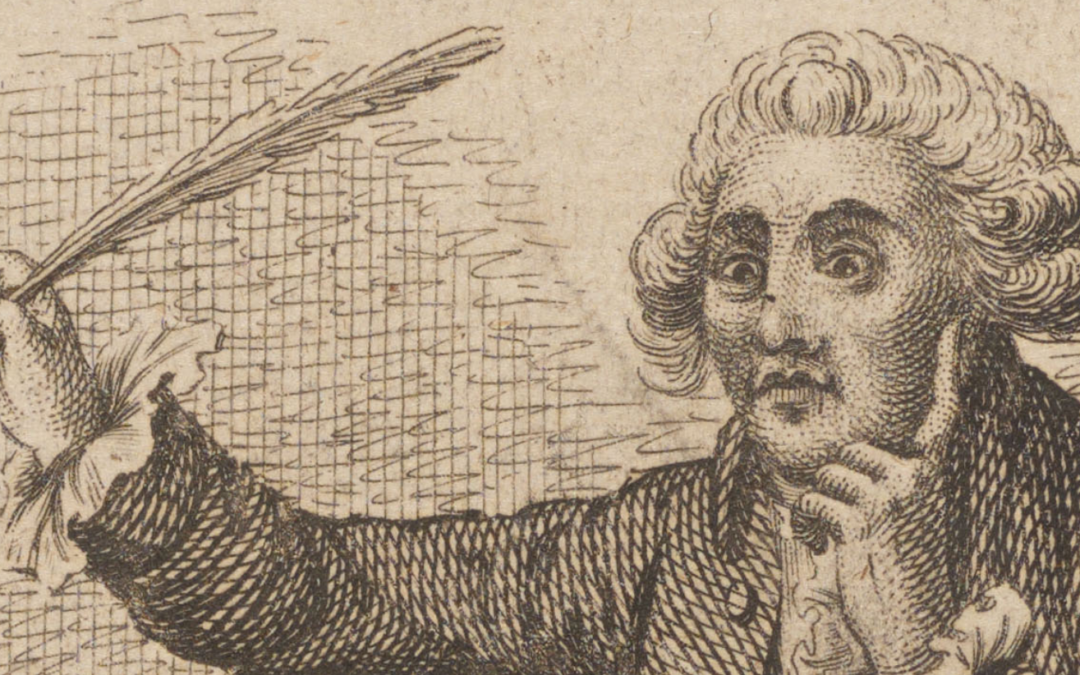
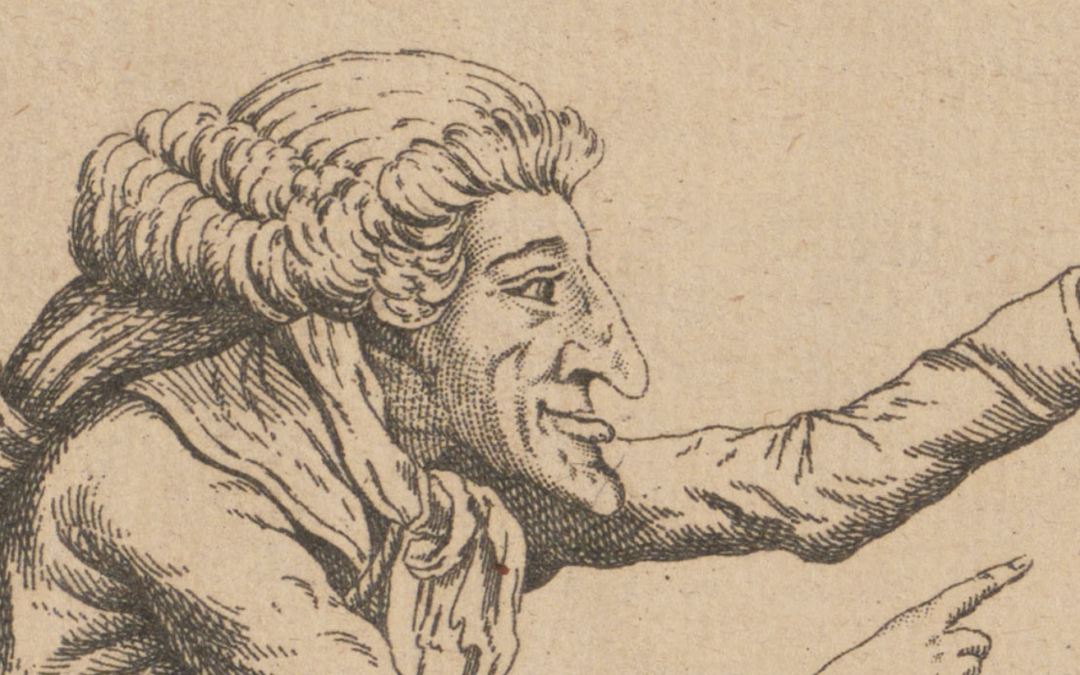
This page offers a snapshot of the reactions and responses to Common Sense, and Paine more generally, that make clear how much controversy he and his work aroused. Both visually and textually, Paine was lionized and vilified as he became an icon synonymous with the ideas he advocated for.
