
An Uncommon Conclusion
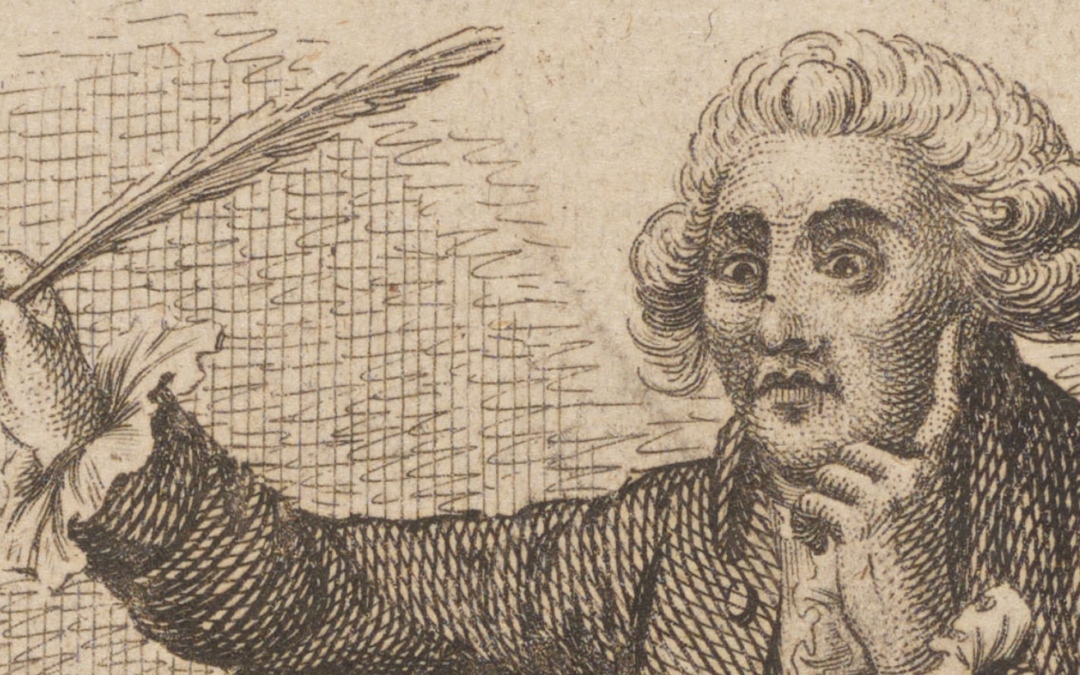
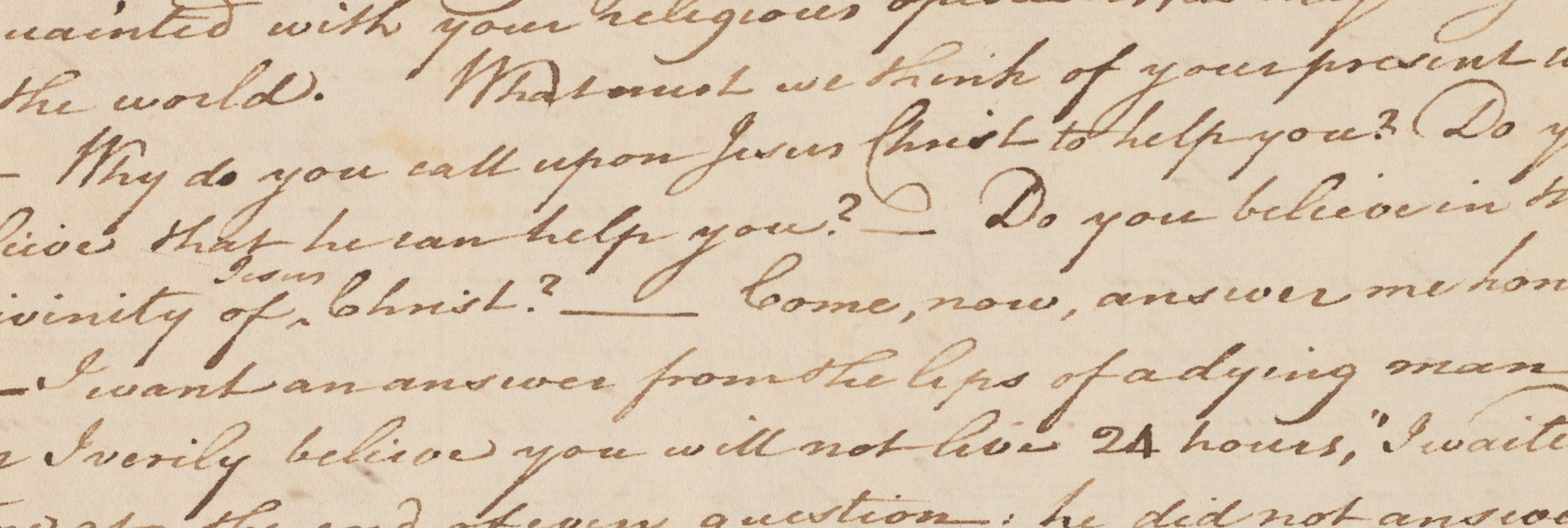
Paine’s revolutionary temperament was not restricted to matters of politics. His 1794 book The Age of Reason: Being an Investigation of True and Fabulous Theology extended his critique to theology and religion, questioning key tenets of the Christian faith, criticizing the institutional dimensions of religion more generally, and espousing Deism as the only faith compatible with human reason.
Revolution, Reaction, and the Rights of Man
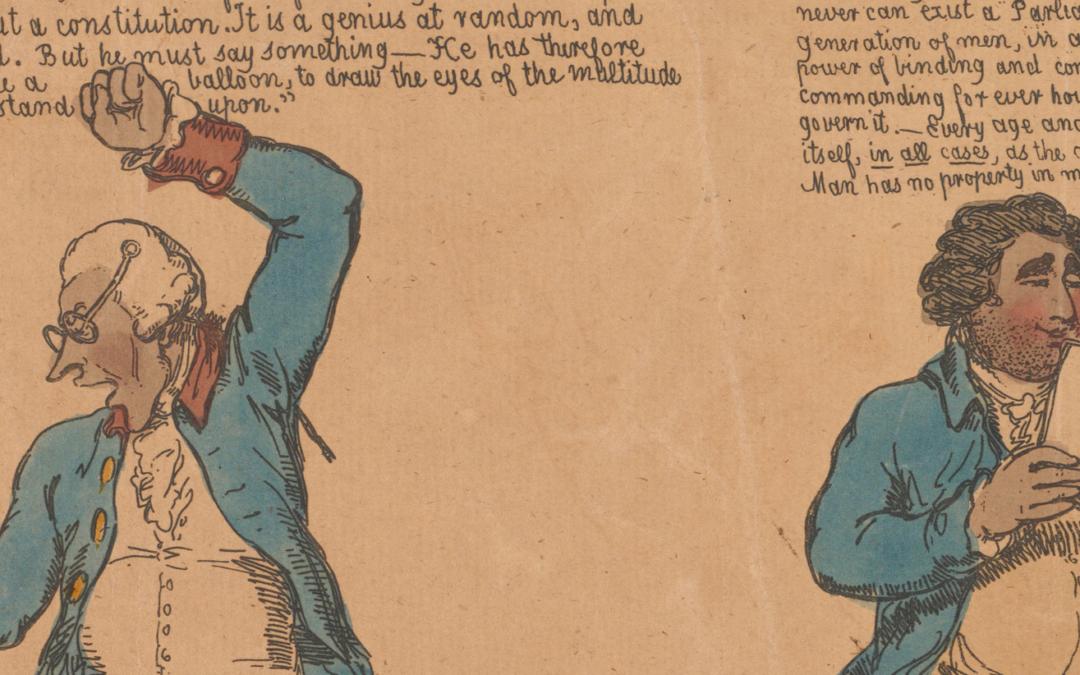
Fifteen years after the publication of Common Sense, Paine published the first part of his Rights of Man, a defense of the French Revolution. Rights of Man celebrated the French Revolution as heralding a new dawn of liberty and reason, and critiqued Edmund Burke’s 1790 Reflections on the Revolution in France, which had criticized the French revolutionaries, defended traditional, established political norms and institutions, and endorsed gradual reform over wholescale political change.
Audi et Alteram Partem: Listen to the Other Side
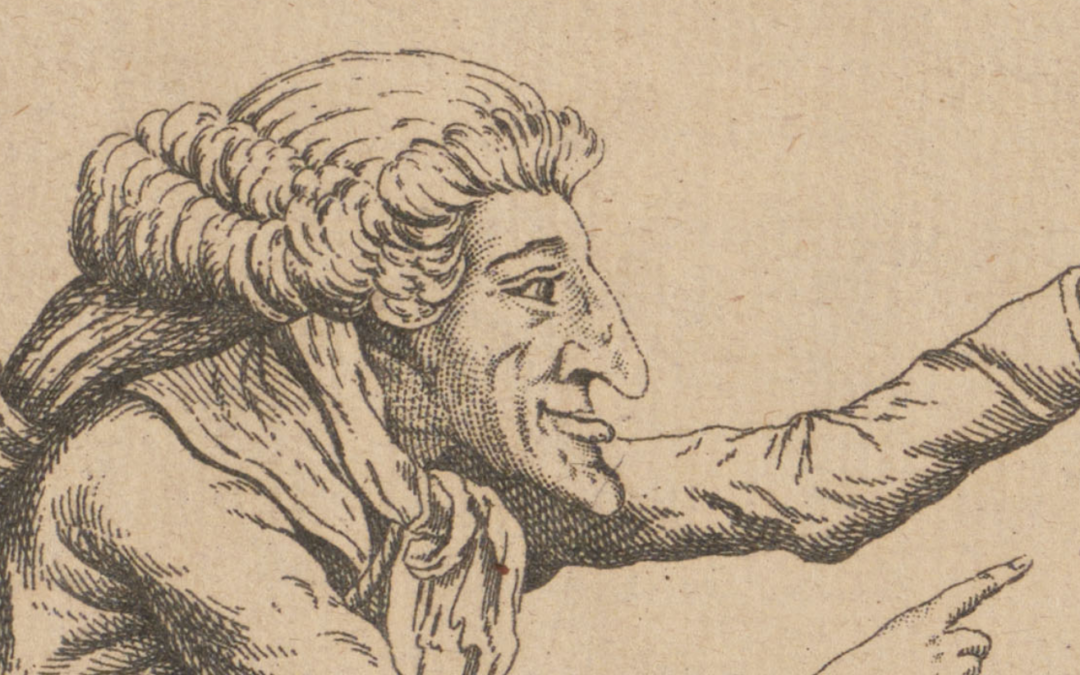
This page offers a snapshot of the reactions and responses to Common Sense, and Paine more generally, that make clear how much controversy he and his work aroused. Both visually and textually, Paine was lionized and vilified as he became an icon synonymous with the ideas he advocated for.
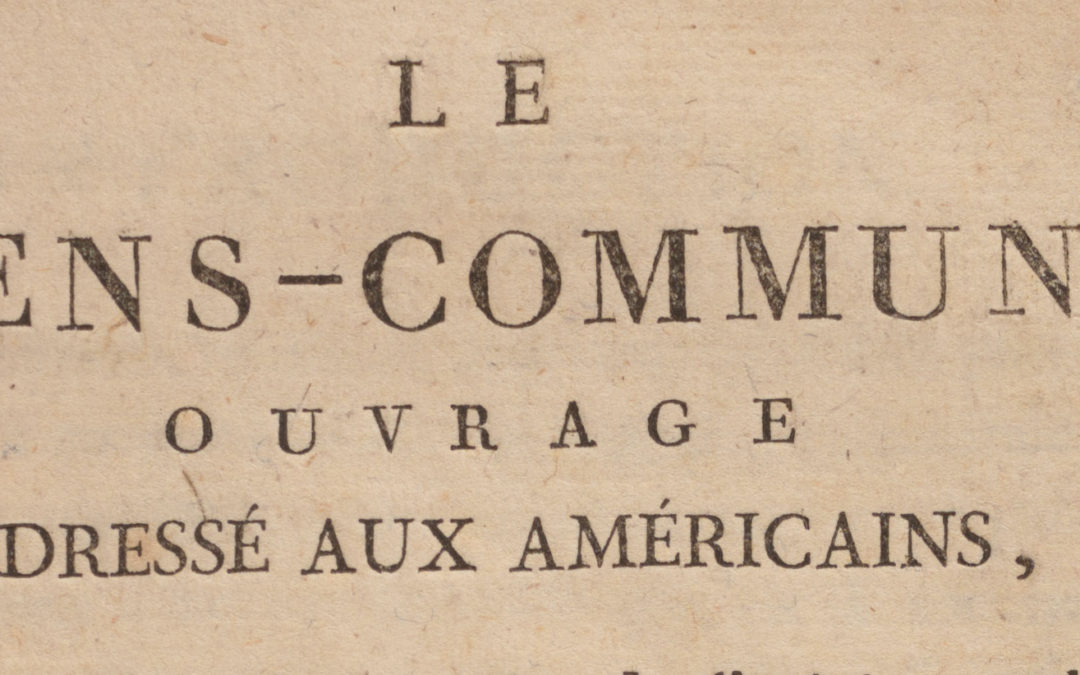
Going Viral in 1776
In 2026, “going viral” refers to a piece of content spreading rapidly across the Internet and into common parlance, becoming a widespread sensation or defining a cultural moment. In 1776, Common Sense did just that – without the Internet.
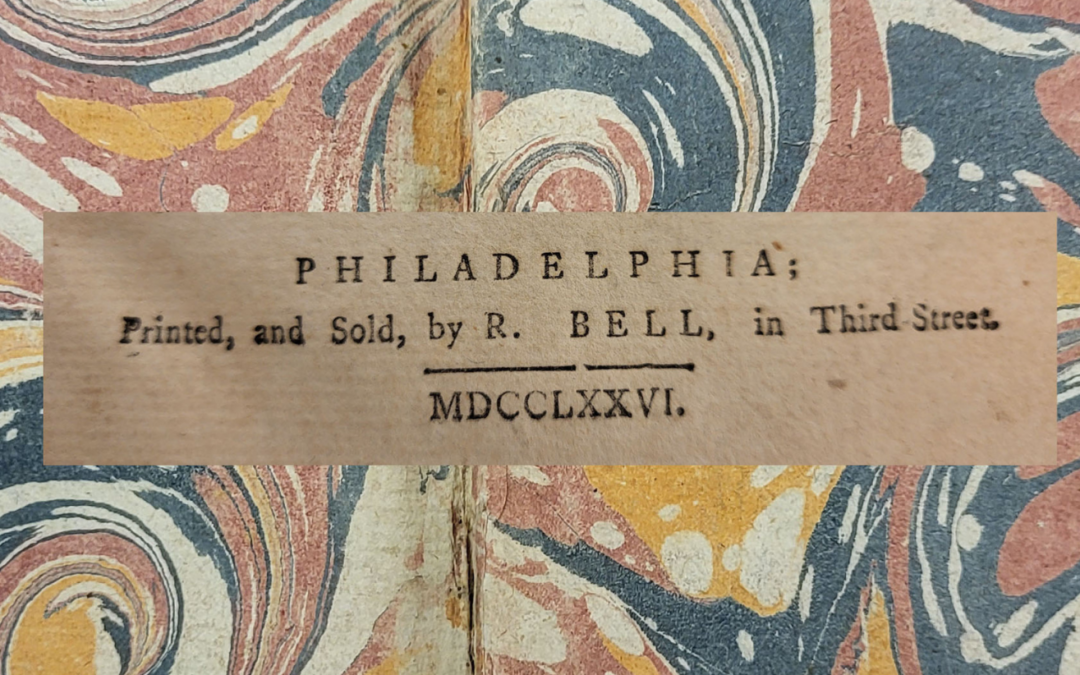
Revolutionary Paine
The William L. Clements Library holds 58 editions of Thomas Paine’s Common Sense: Addressed to the Inhabitants of America. Upon the 250th anniversary of its January 1776 publication, one might ask: Why so many?
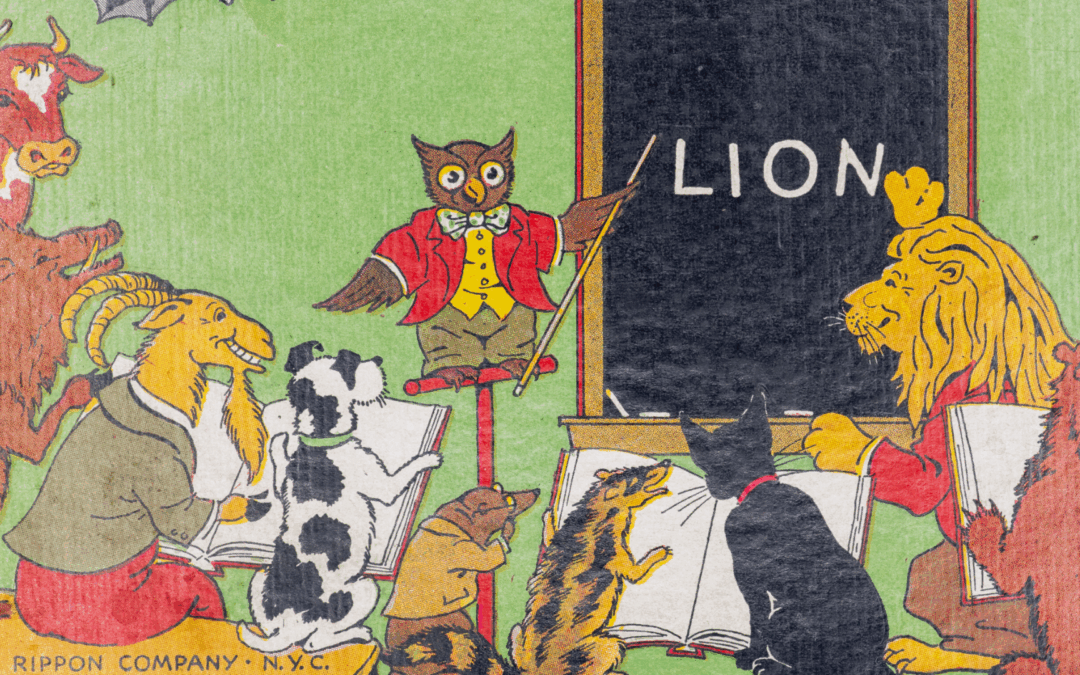
Colorful 19th-Century Board Games and Toys on View at the Clements Library
Earlier this month, the Clements Library opened our new exhibit, For All Ages, highlighting familiar and unique toys and board games throughout American history. Many were not only fun, but also taught practical skills and moral lessons.
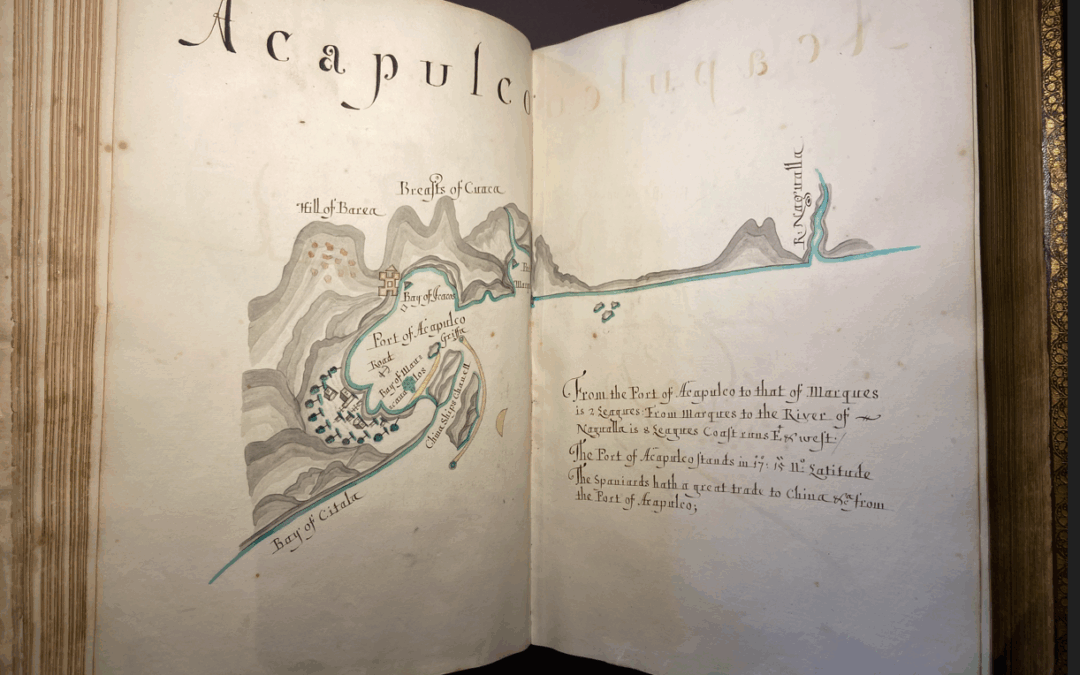
English Piracy on the Spanish Pacific: William Hacke’s South Sea Waggoners and England’s Imperial Ambitions
Guest post by Juliet Wiersema; 2025-2026 Brian Leigh Dunnigan Fellow; [email protected] Frontispiece Orienting map The large manuscript atlas, A Description of all the Ports … in the South Seas of America … is tied to an infamous tale of Pacific piracy. In...Clements Library and Ann Arbor Public Schools Organize Workshop for Teachers
In mid-June, the William L. Clements Library offered a pilot program in conjunction with the Ann Arbor Public Schools (AAPS) for middle and high school History teachers from across the district. The workshop was designed to help expand the scope of History curricula at the K-12 level to topics that are traditionally underemphasized and to deepen the public-facing offerings and outreach of the Clements Library.