
Guest blog post by Wendy Chapin Ford ’77. Wendy was a panelist on Bookworm #25 where she discussed her book of poetry A Frontier Romance: Tiger Bill and Kate. Genealogical research led her to be inspired by her great-grandparents’ story. Now as she continues to delve into her family history, she has written new poetry based on her relatives’ experiences during the Civil War. In a three part series, she shares these poems, and the Clements provides illustrations. This is part three of the series, you can read part one here and part two here.
“An Offense on the Home Front” peaks with the stoic elegance that my great-great grandmother demonstrated in dealing with “uncouth rebel youth.”
With the Civil War sadly underway, the Barnes estate was occupied by the notorious secesh guerilla fighter, John Morgan — coincidentally a friend of Tom’s from the Mexican American War.
Morgan had set out to avenge his defeat at Chaplin Hills by laying siege to a fine Union property nearby: Estill Springs.
Details in this poem are, as with the others, well documented.
After Perryville -- October 1862 Rebel offense on the home front
John Morgan met his match at Perryville,
regardless of the tale he tried to tell.
Pushed back by Buell’s Army of the Ohio,
it was a Union victory, after all –
the end of his adventures in Kentucky.
But he had one more insult left in him,
before he quit the bluegrass – for all time.
Still furious and stung by this defeat,
he sought to settle scores with little mercy,
espied a Union property nearby
and set out to avenge his bitter loss.
For Union Colonel Sidney Madison Barnes,
his earthly paradise was Estill Springs.
Though weary from the fight at Chaplin Hills,
as Colonel Barnes rode home, his heart was full.
The thought of his Elizabeth sustained him,
awaiting him out on the low veranda.
But Morgan’s men were on the march, he knew,
rampaging through the land, as was their way.
For certain, Estill Springs was in their sights,
this Union home would be a major score.
Kentuckians could never hope to rest,
nor ever be assured the dream of peace,
as long as Morgan’s Raiders were advancing.
Death and destruction seemed all but assured.
Kentucky was a neutral state, but still –
her mighty heart could never be contained.
The flames of family passions on both sides
served only to endanger what was dear.
I first awake this fine October day,
the sun’s bright rays so warming on my cheek, but
our devastating plight comes roaring back.
I hear the voices, strange but now familiar –
just down the stairs — but rougher than before.
With fear and trepidation for my family,
I hasten forth to make my presence known –
the wife of a vaunted Union officer –
but daughter of an old confederate.
My dear old secesh papa is a traitor –
but all that stands between ourselves and ruin.
I fear that we shall lose all that is dear.
We know that only Pa can save us now –
if only he can make it here in time –
our one last hope for fending off the raiders.
The scourge of all Kentucky patriots,
John Morgan targets every Union family –
sets fire to homes and livestock, ruining lives –
and he a friend of Tom’s from Mexico!
To think that we were all once kith and kin –
I venture out along the low veranda,
to find young rebels busily at work.
They’re hitching horses to our shrubbery,
and carving my prize apples for their pies!
I walk along my favorite old porch,
when curls of apple peel are tossed my way,
encircling my feet as I walk forth!
It seems to be new sport for these young traitors –
such uncouth rebel youth who must know better.
In no way shall I give them satisfaction.
I do not break a step, nor show annoyance.
But this offense shall never be forgotten.
Oh, where, oh where is my dear old rebel pa?
I fear that he will not get here in time,
to save us all from certain ruination.
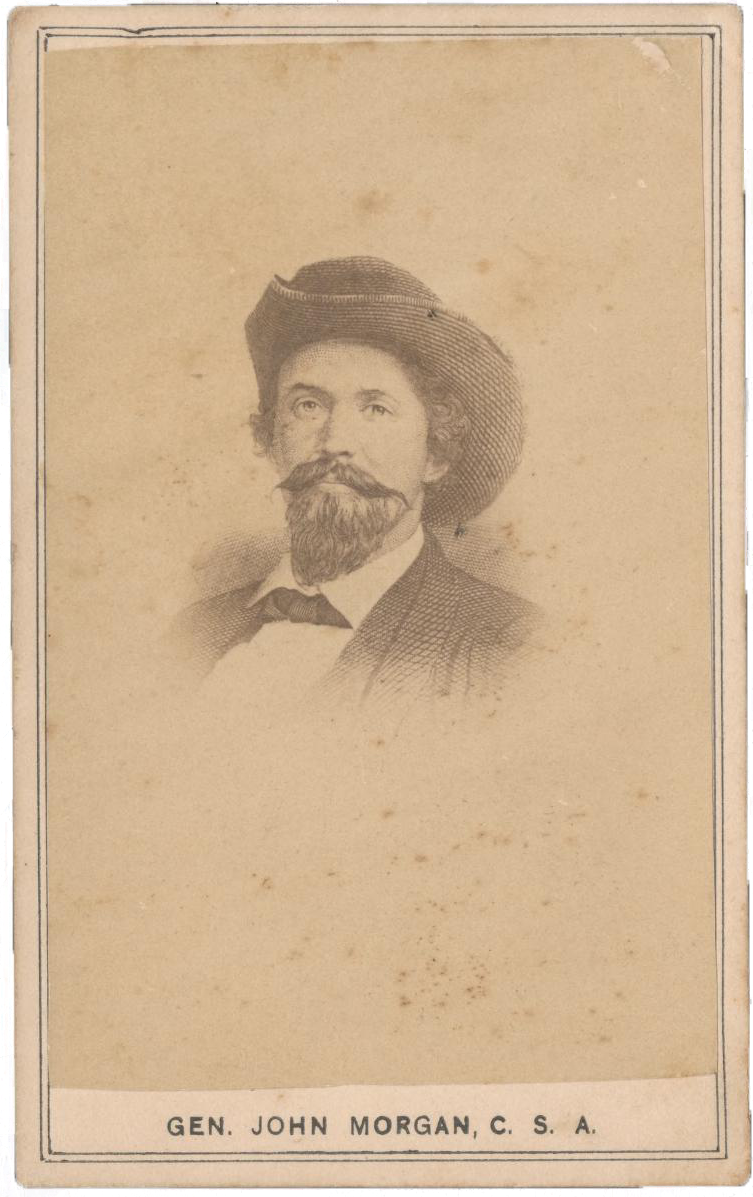
Vignette bust portrait of Gen. John Morgan, C.S.A.
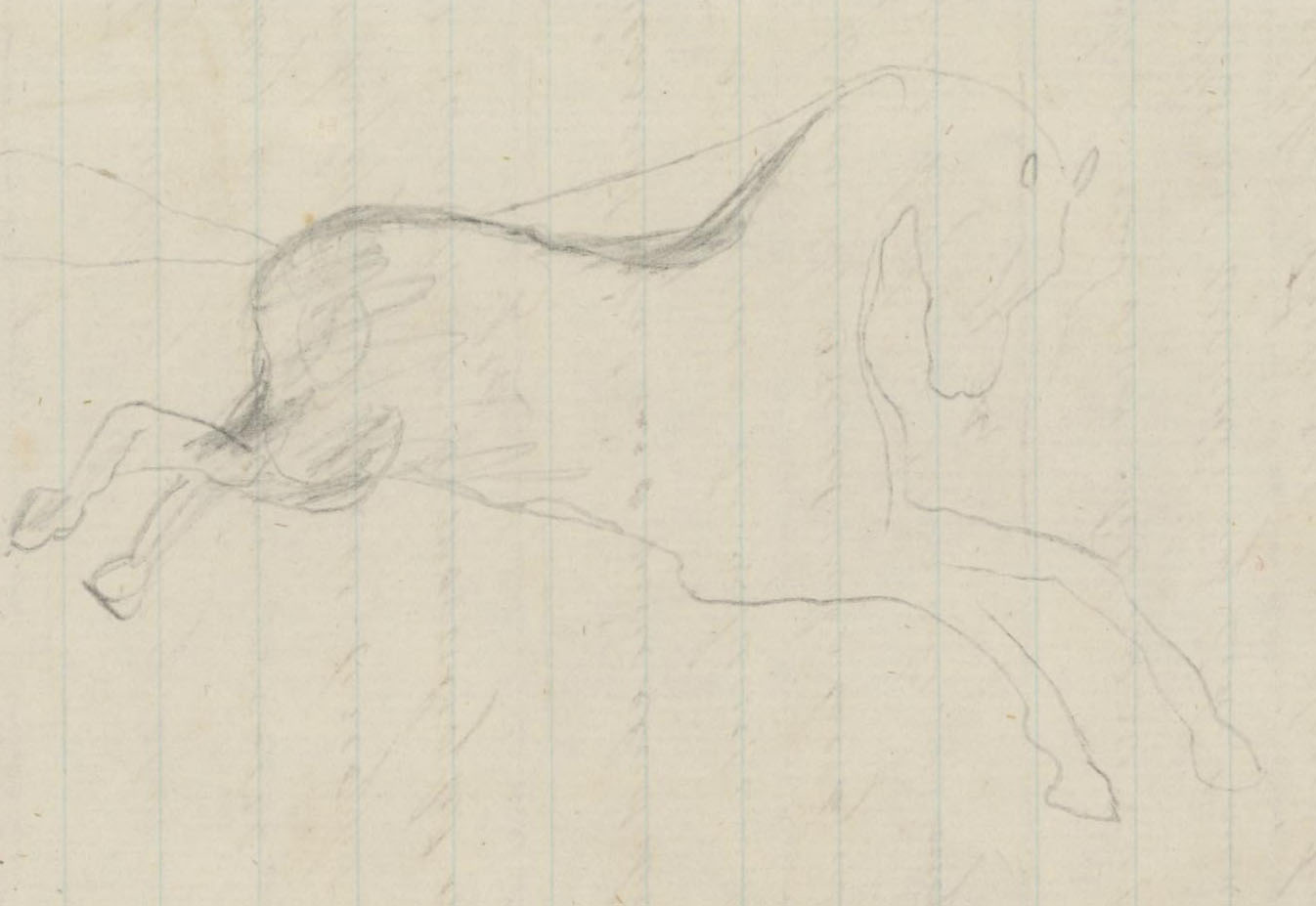
Sketched outline of a horse from the papers of Union soldier Fairfield Goodwin.
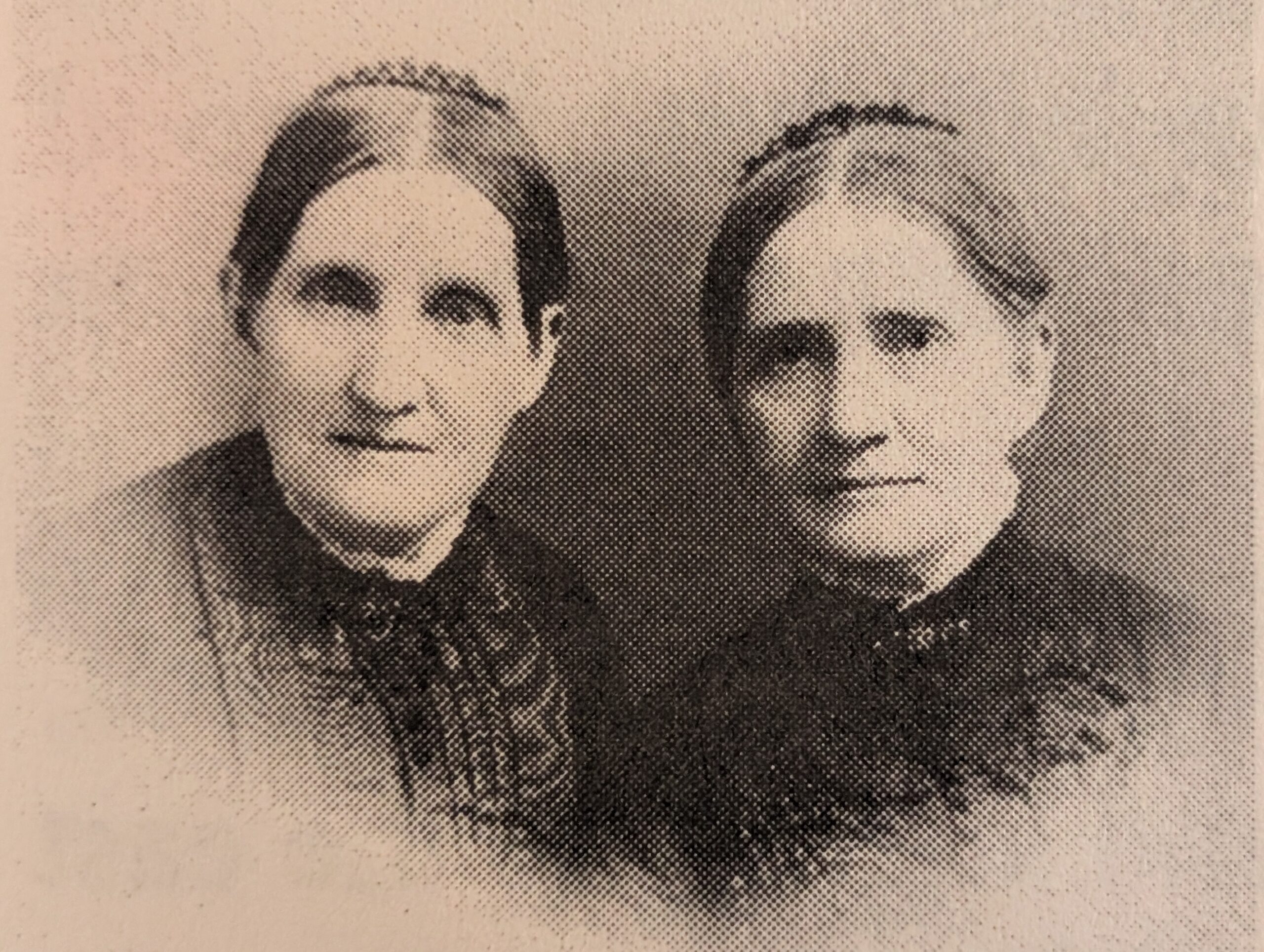
Wendy Ford’s great-great grandmother and wife of Col. Barnes, Elizabeth Mize Barnes (left), who was stoic in the face of Rebel rudeness. Pictured with her sister, Fannie Mize Benton, ca. 1886. Taken from Maude Barnes Miller’s Dear Wife: Letters from a Union Colonel (2001).
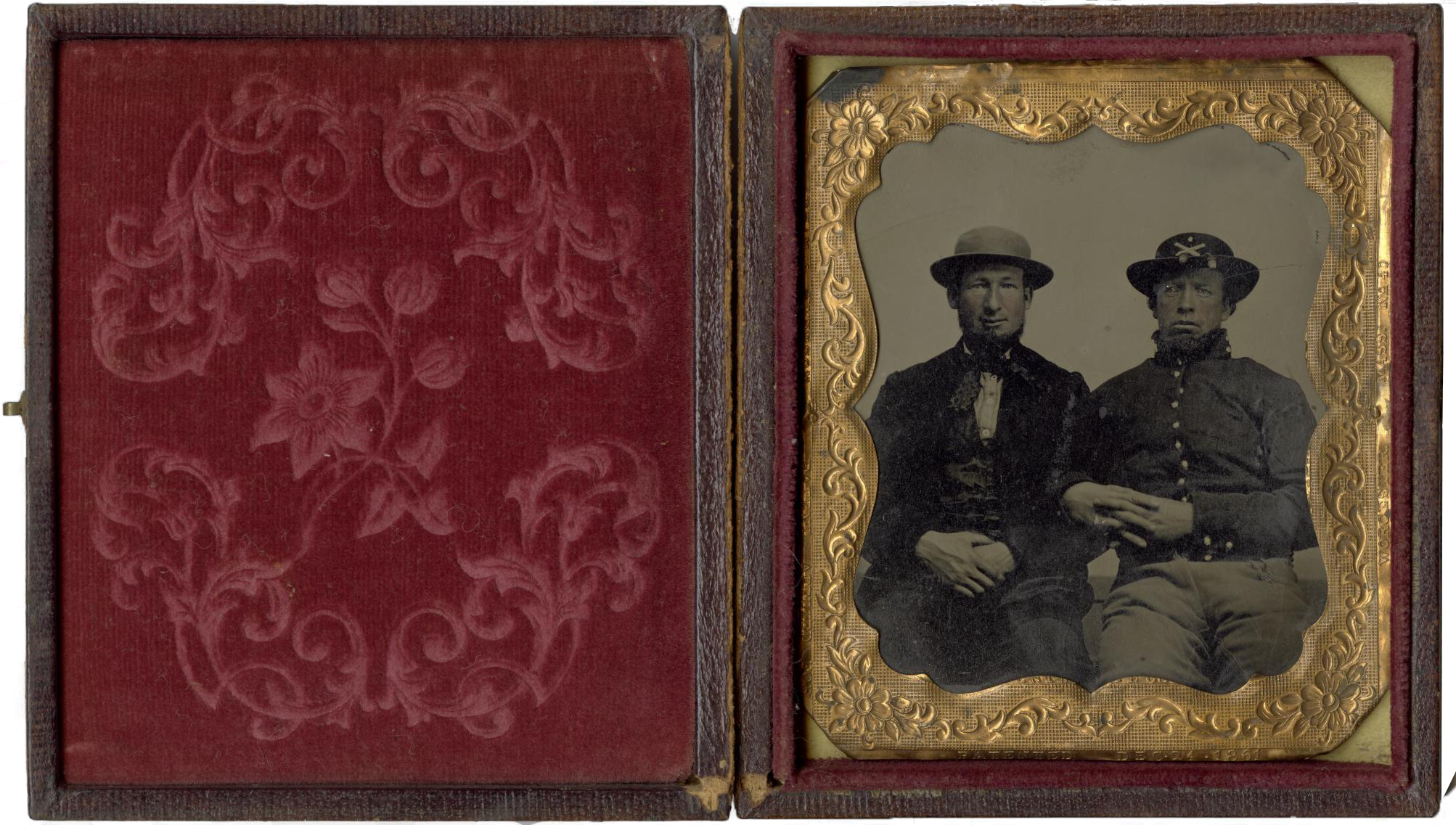
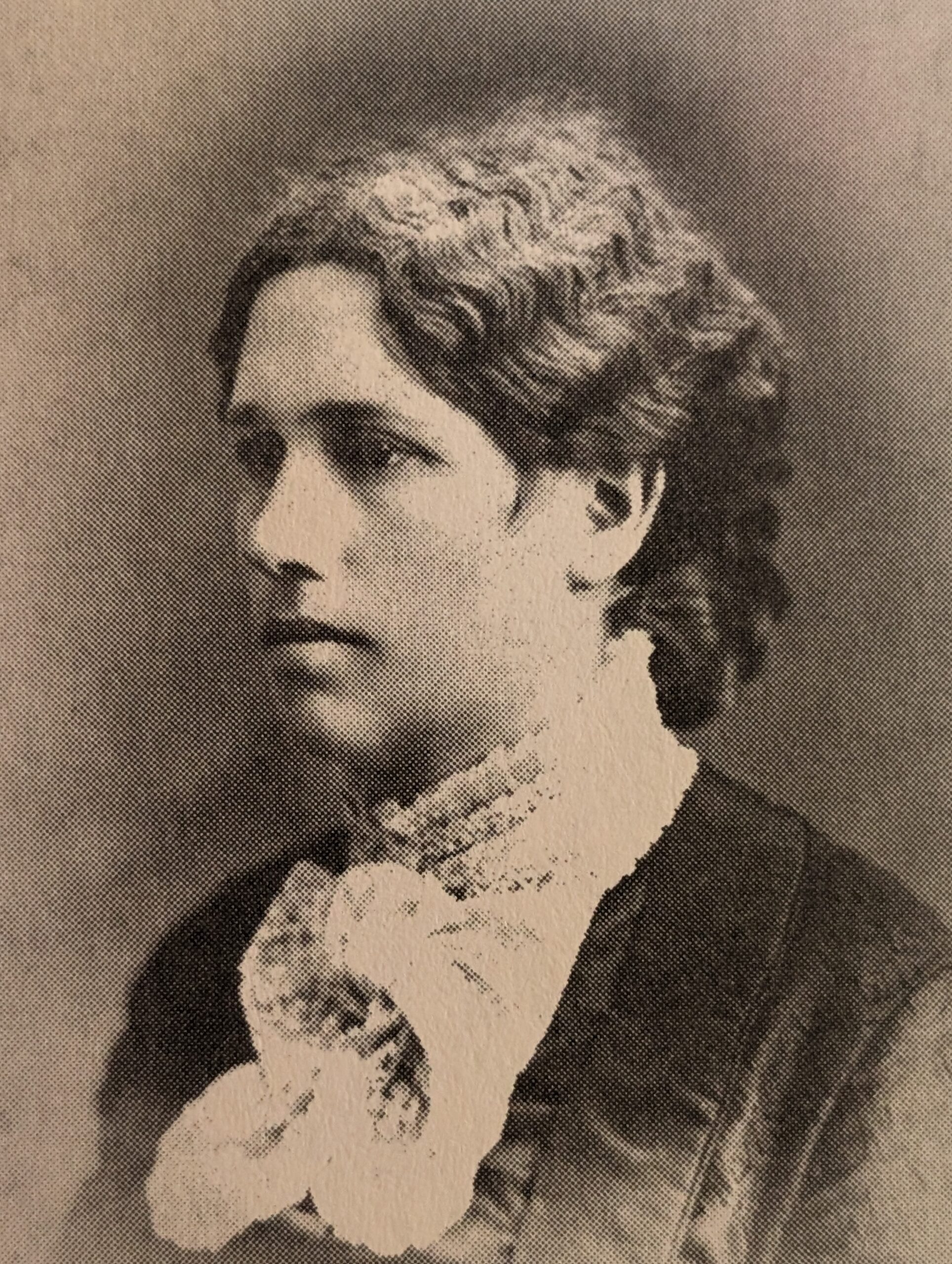
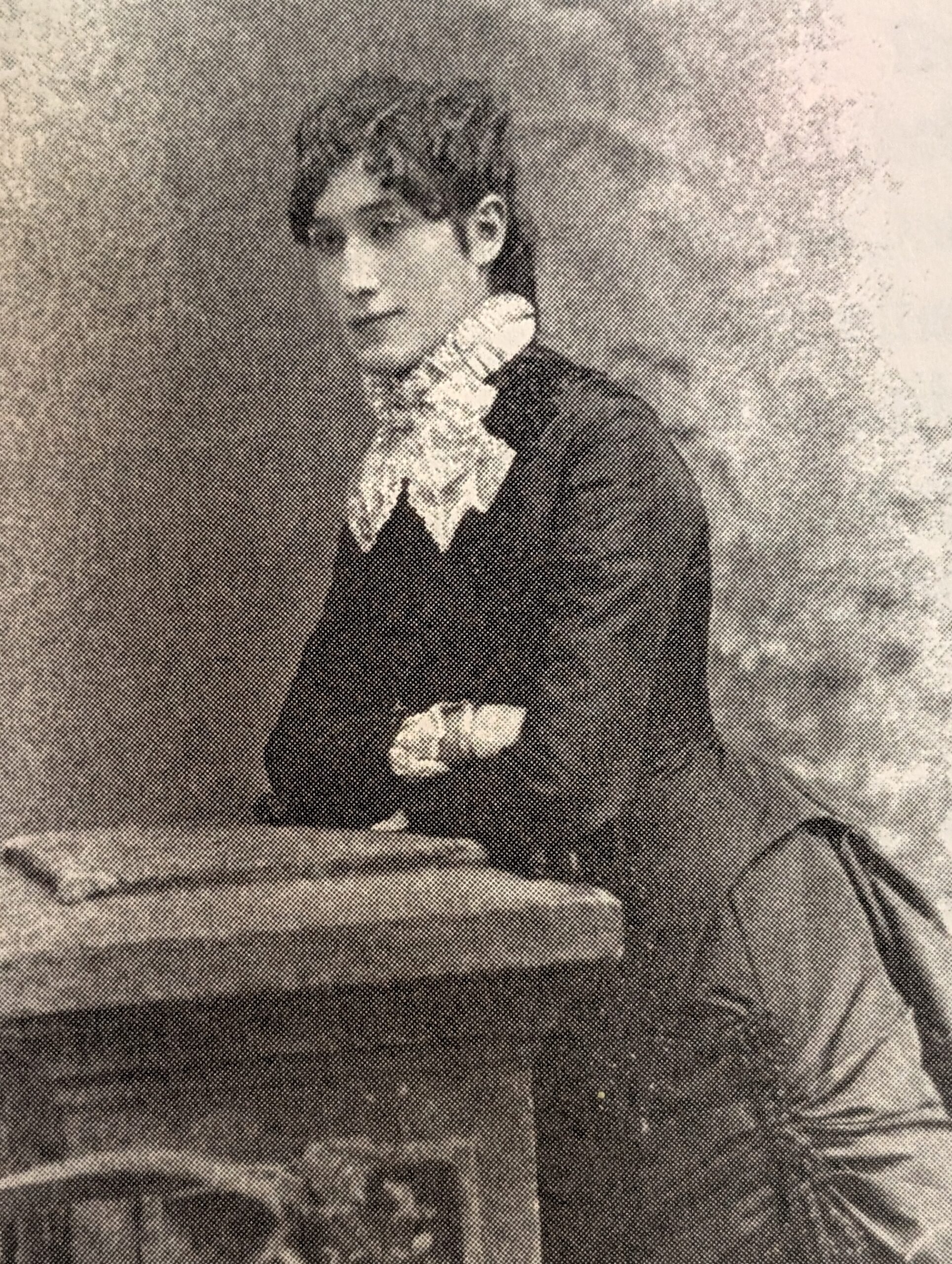
Wendy Ford’s great grandmother, Kate Barnes (left), and her great-aunt, Susan Barnes (right). Taken from Maude Barnes Miller’s Dear Wife: Letters from a Union Colonel (2001).