
By Cheney J. Schopieray for his friend David Johnson, who was a hairsbreadth away from trekking to Alaska for the 2009 World Beard and Moustache Championships.
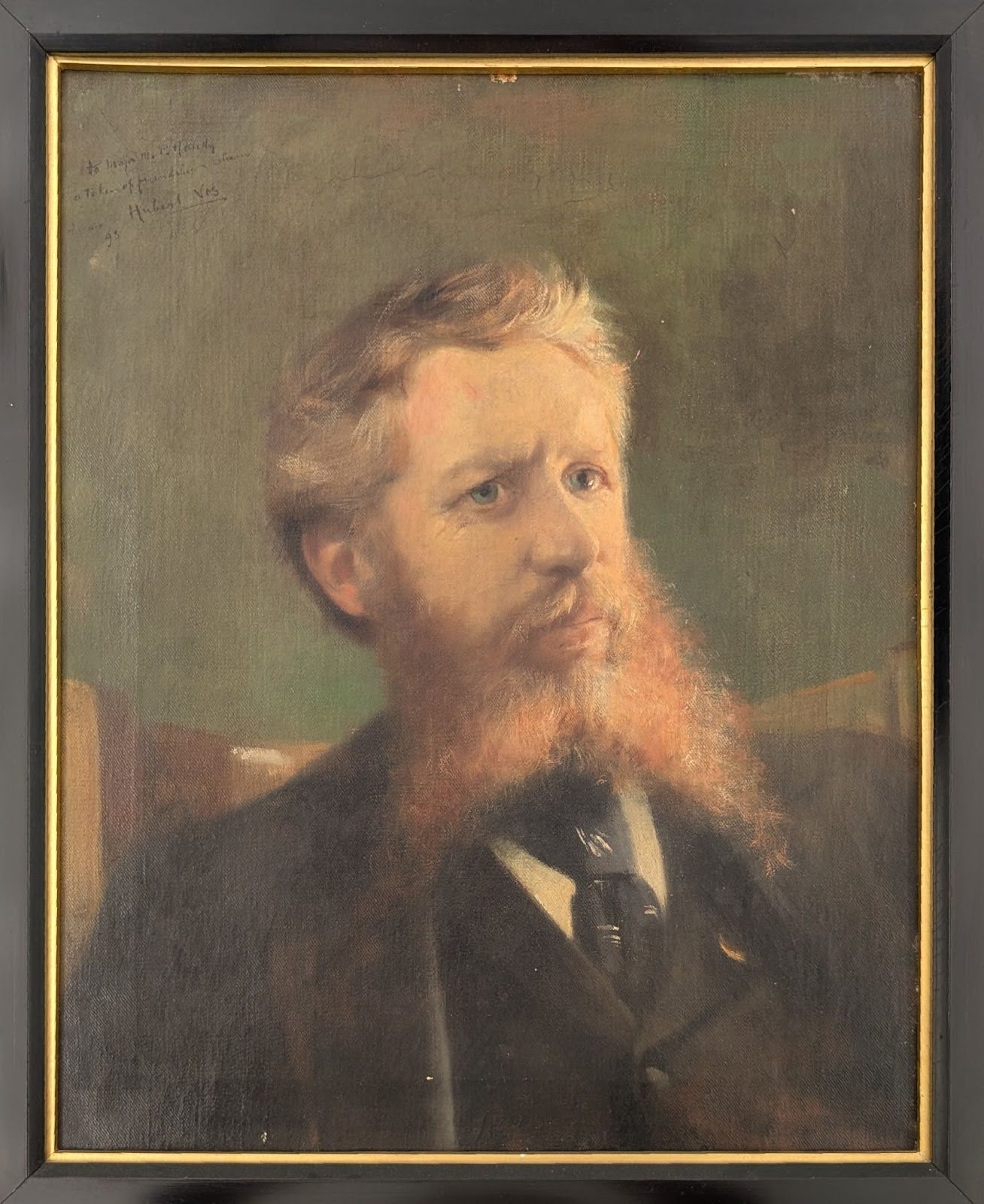
On this World Beard Day, the Clements Library would like to doff its cap in recognition of the beard of Moses P. Handy (1847-1898).
Hubert Vos, [Portrait of Moses P. Handy], Chicago, 1893, oil on canvas, 48.9 cm x 38.8 cm (29.25 in x 15.25 in.), Handy Family Papers, William L. Clements Library, The University of Michigan. The Dutch painter Hubert Vos (1855-1935) was in charge of the Exposition of Dutch paintings at the Columbian Exposition. He presented this portrait as a “token of friendship & esteem” to M.P. Handy while at the fair.
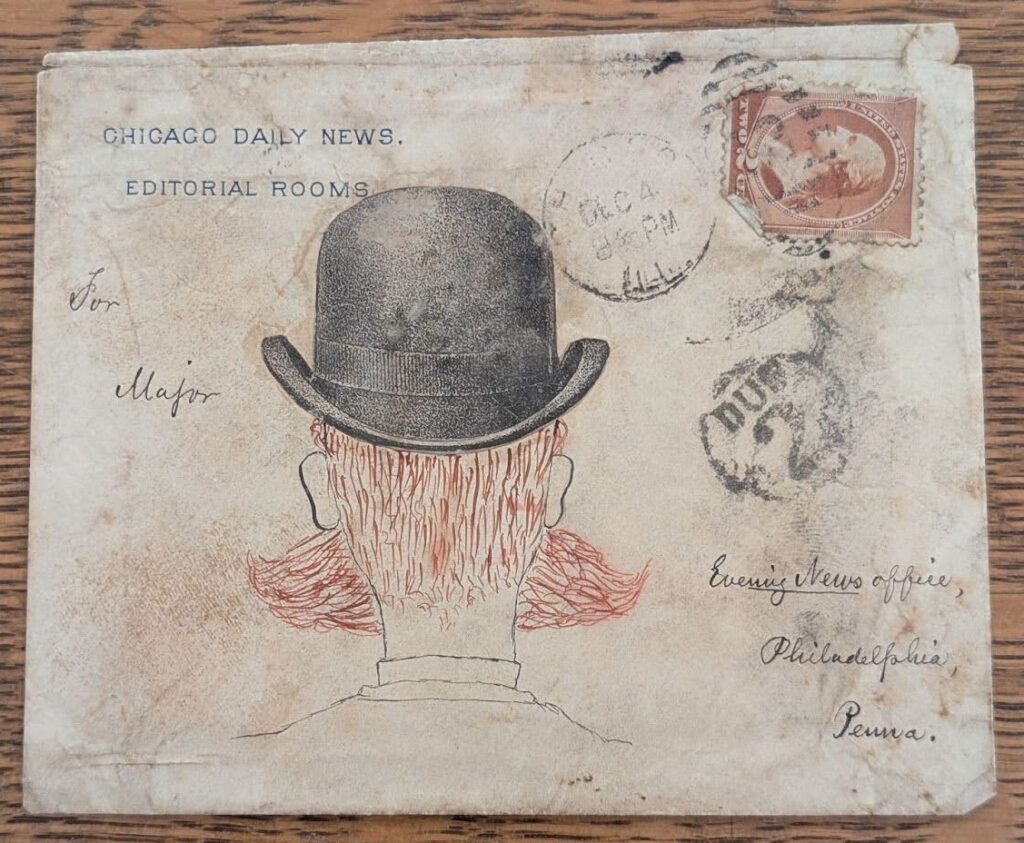
Eugene Field, [Mail Art], December 4, 1884, Handy Family Papers, William L. Clements Library, The University of Michigan. Moses P. Handy’s beard made him a quickly recognizable visage, even from behind. Handy’s friend, Chicago poet laureate Eugene Field (1850-1895), sent this illustrated envelope though the post–not addressed to Handy by name but instead to an illustration of his beard in Philadelphia. Field created the mail art by pasting a printed cut-out of a bowler hat and drawing Handy beneath with red and black ink. The envelope and its contents arrived beneath the destination whiskers in the evening of December 5, 1884.
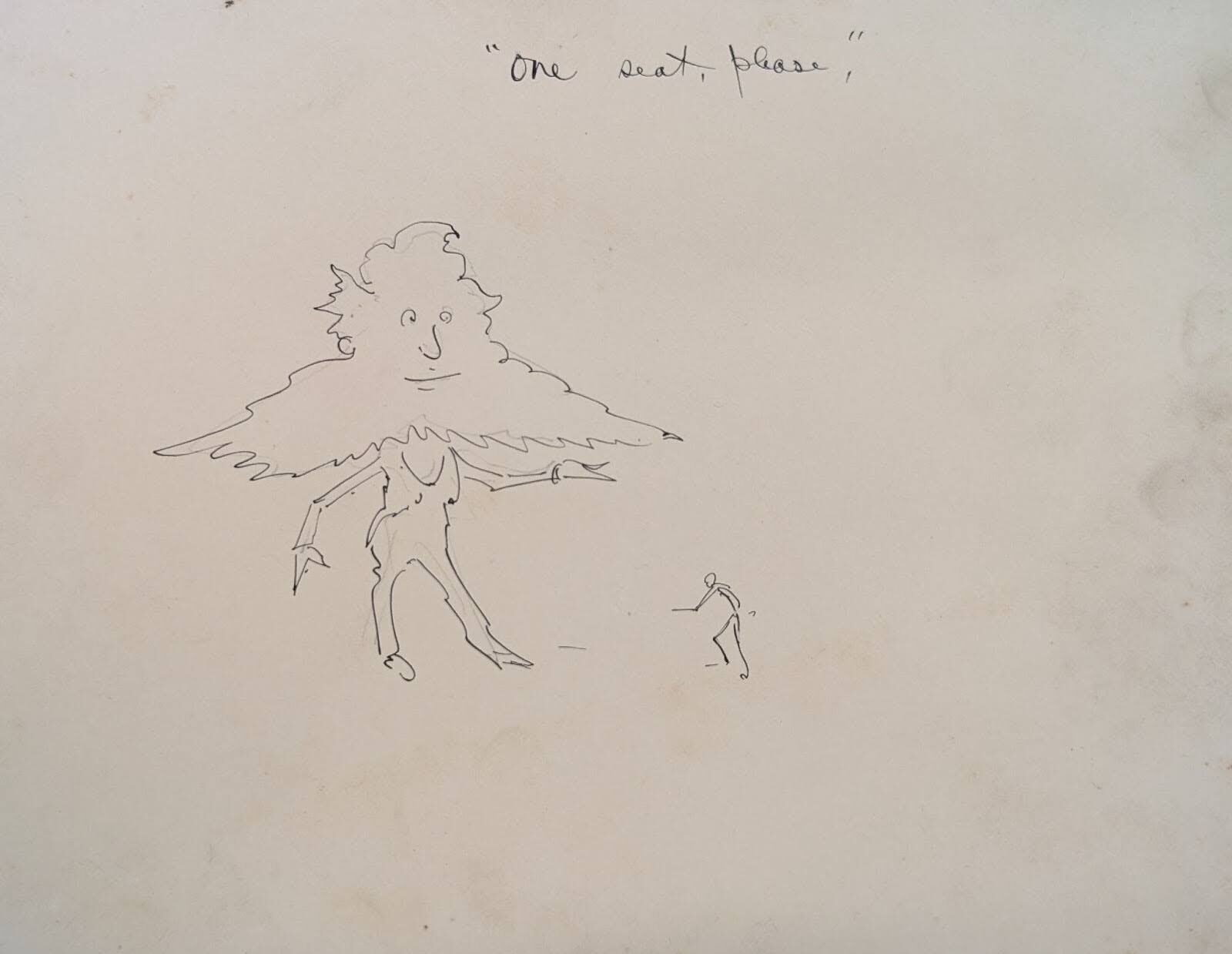
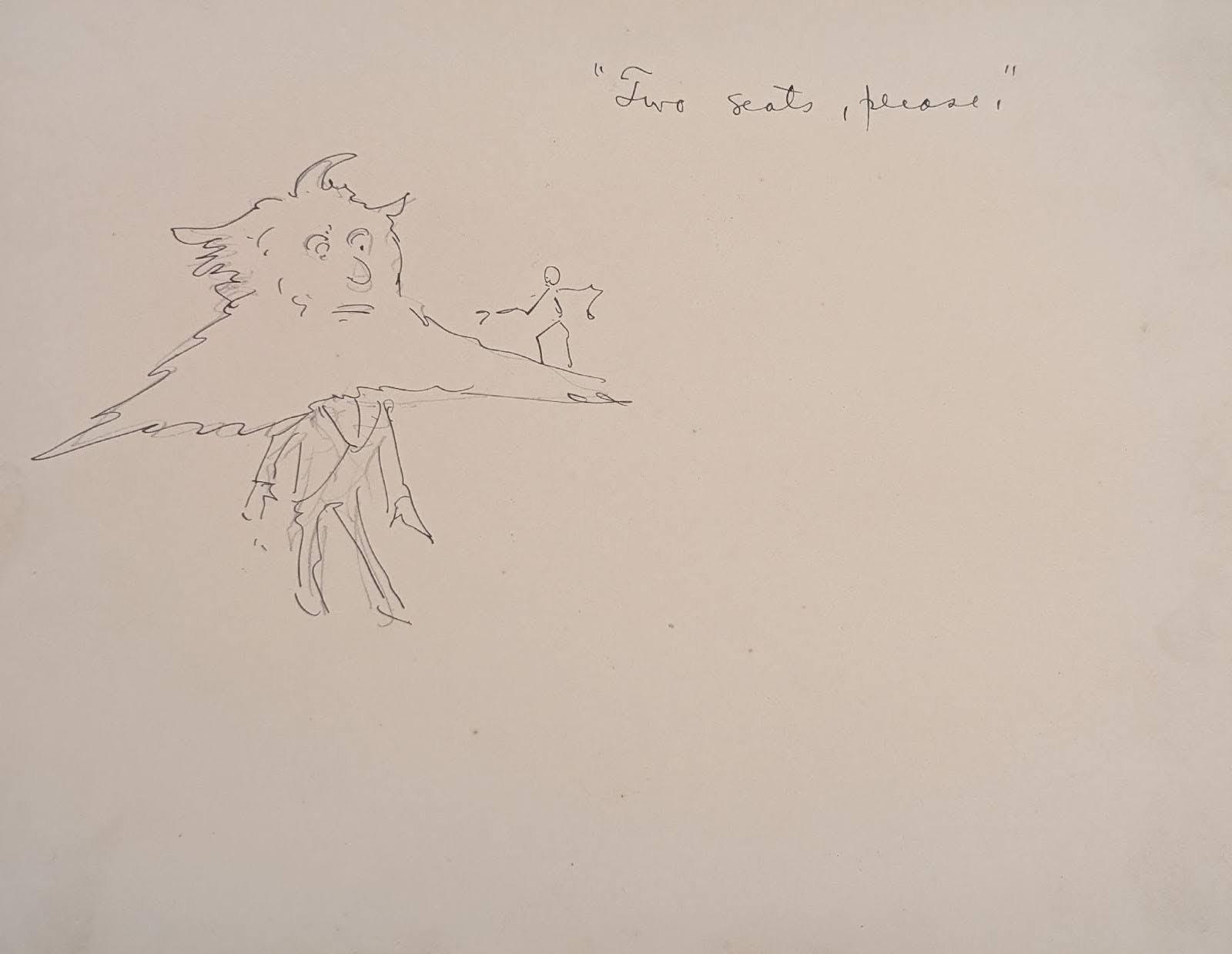
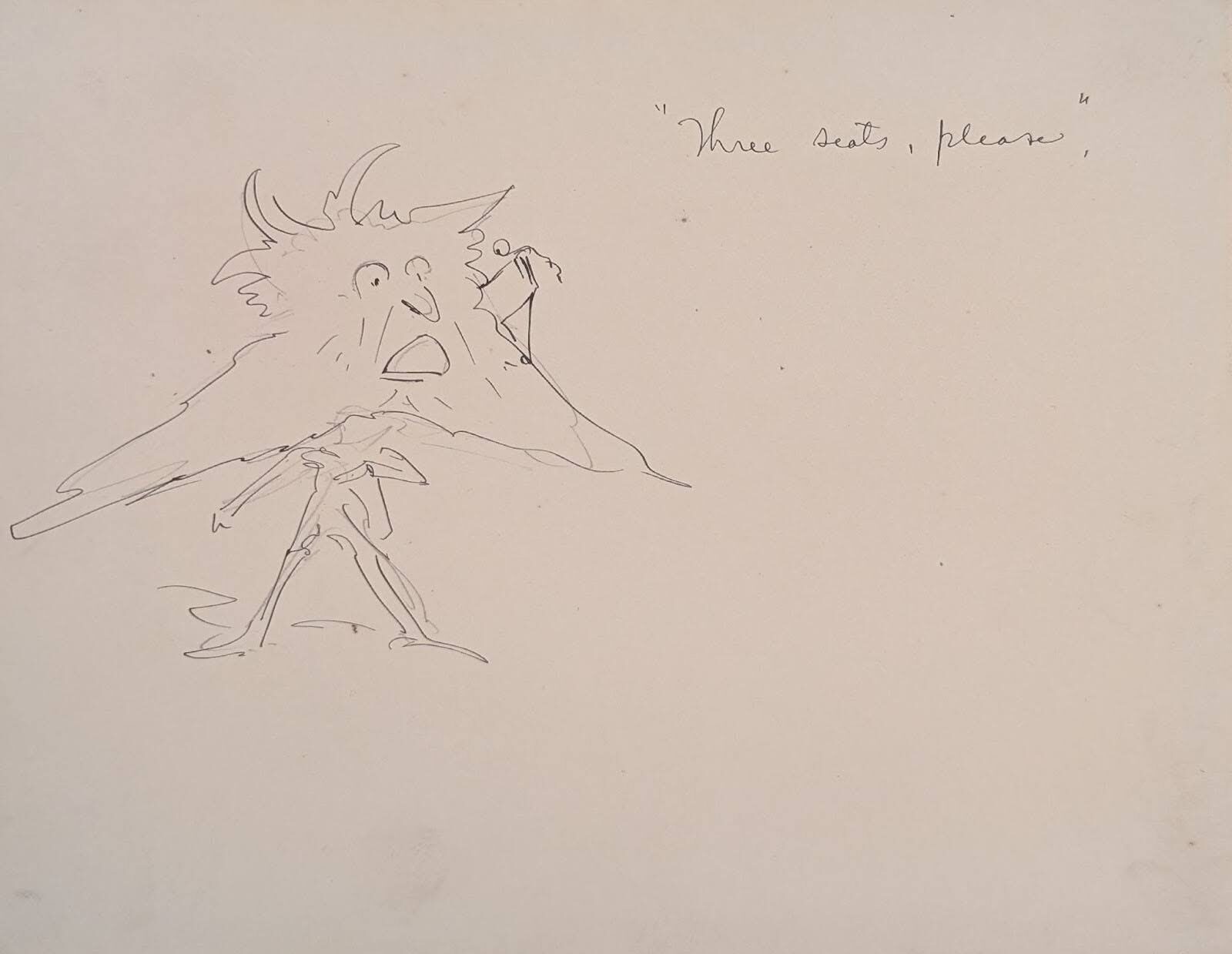
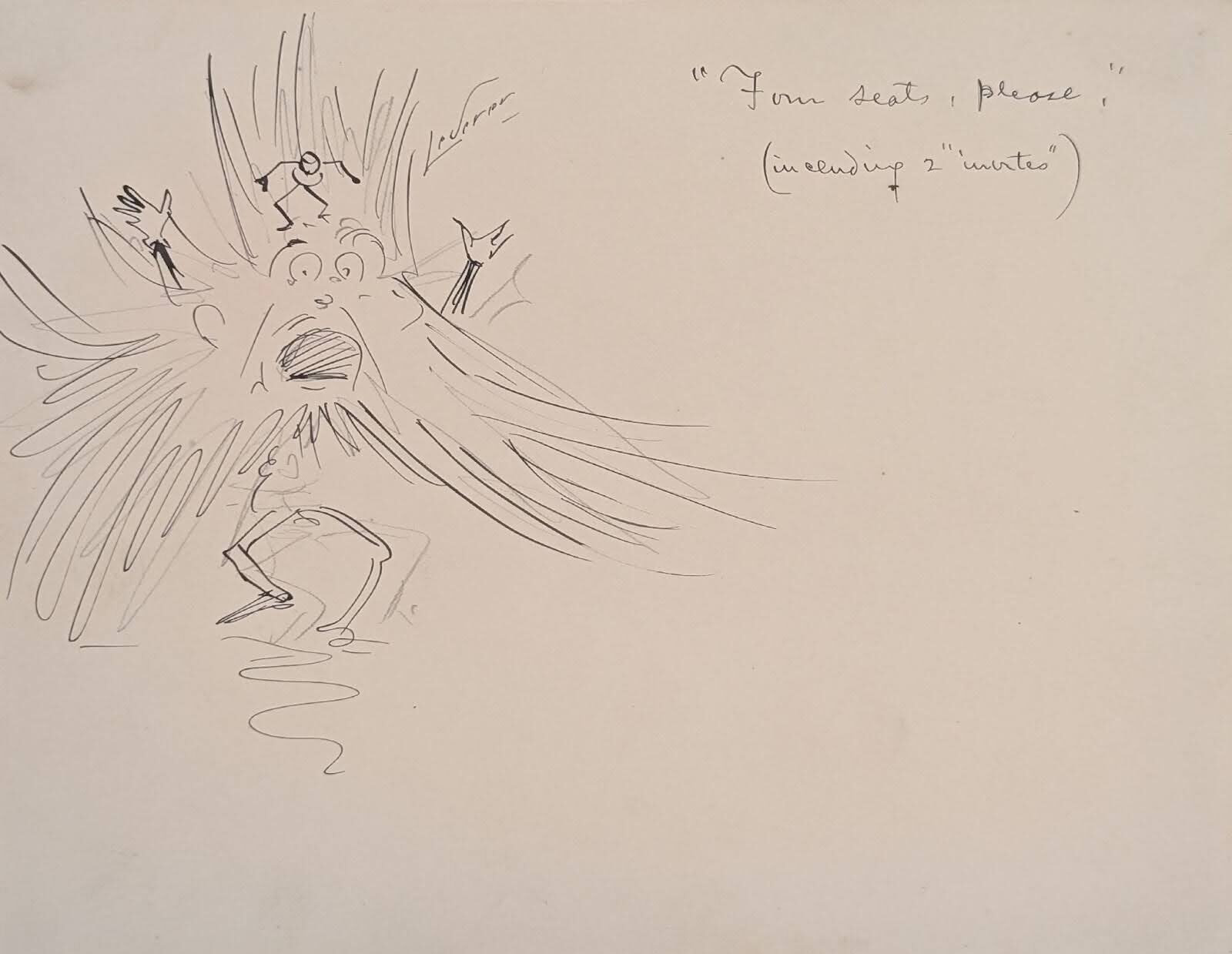
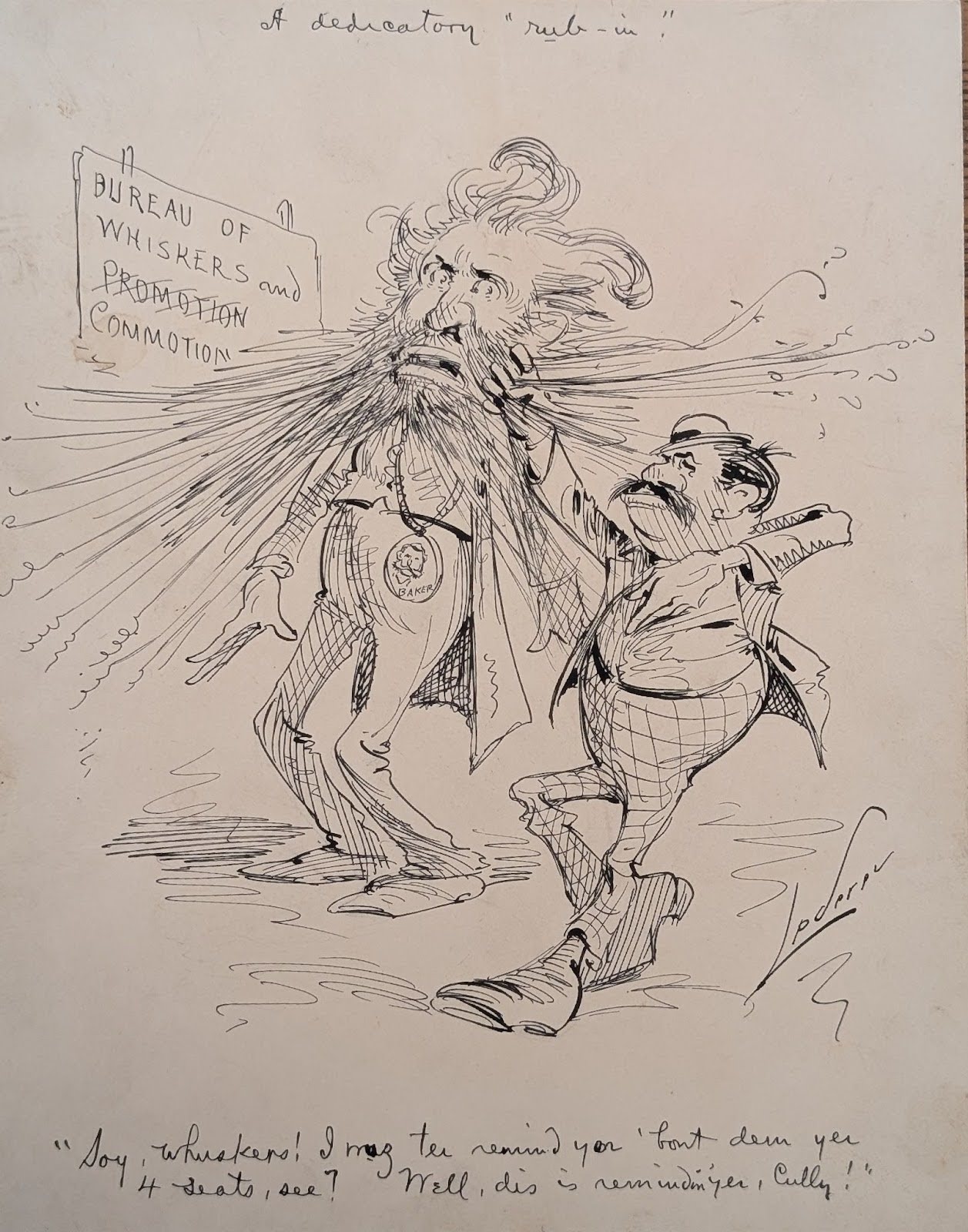
Charles Lederer Sketches and Cartoon Illustration, Chicago, [circa October 1892?], Handy Family Papers, William L. Clements Library, The University of Michigan. With the wit and hyperbole of a skilled editorial cartoonist, Charles Lederer (1856-1925) of the Chicago Herald produced a series of storyboard sketches showing an increasingly frustrated ticket seller ascending Moses P. Handy’s left sideburn. In the end, with the seller jumping up and down atop his head, it appears that Handy required four tickets: two for invites, one for himself, and one for his beard. A final drawing shows Moses Handy as head of the “Bureau of Whiskers and Promotion Commotion” being punched or, seemingly, grabbed/pulled by the beard–a particularly vicious assertion of disrespect. Though undated, this series was likely created during the World’s Fair dedicatory addresses circa 1892, when Handy was head of the Department of Publicity and Promotion and William T. Baker (depicted on Handy’s medal, First President of the Columbian Exposition.)
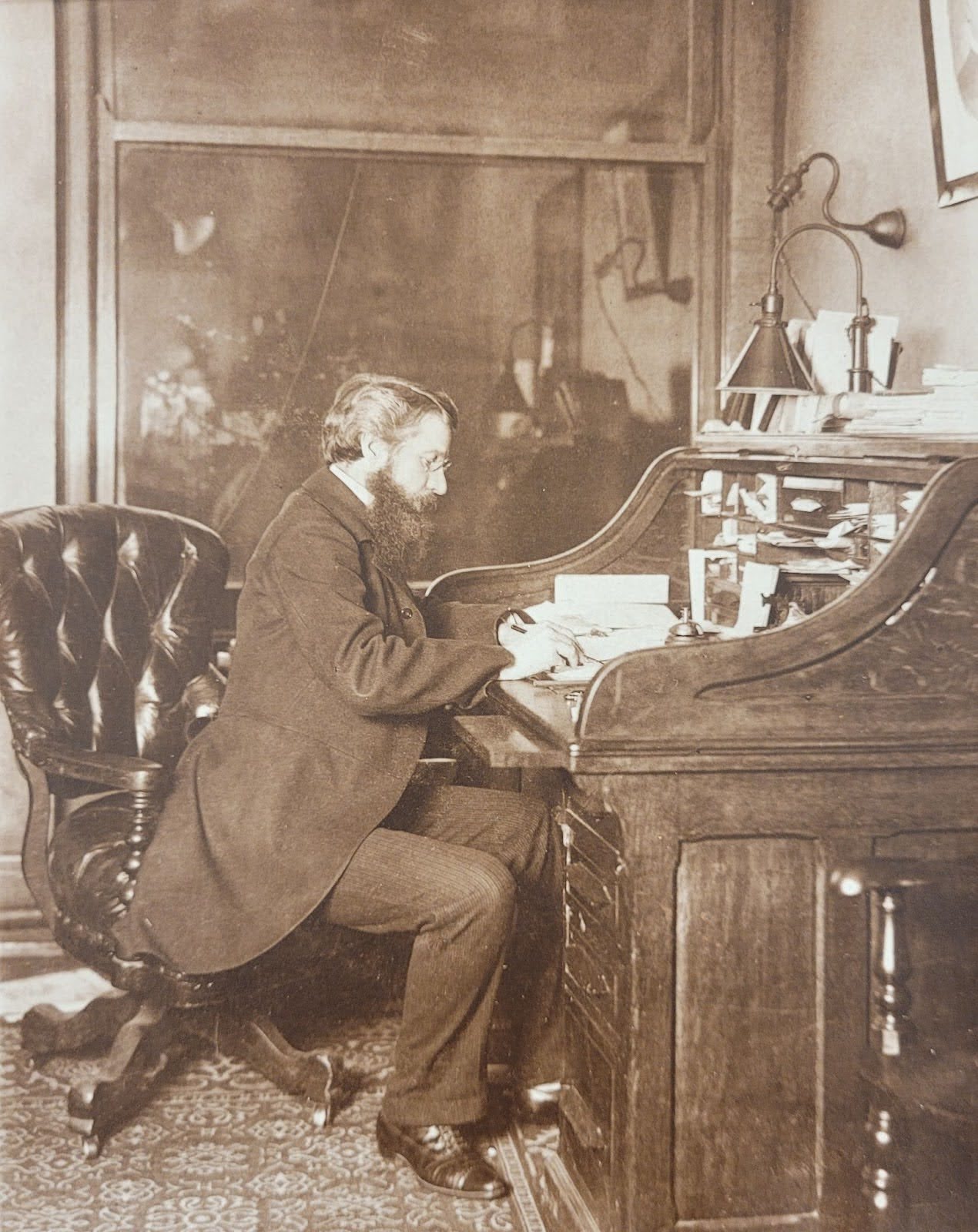
Whatever the prevailing beard taxonomy, Moses Purnell Handy’s facial hair was as memorable then as it is now. For more on Moses P. Handy’s life and activities, as well as the lives of several generations of his extraordinary family, please see the Handy Family Papers, 1670s-1980s, Finding Aid.4
1 See Joe Dobrow, Pioneers of Promotion (University of Oklahoma Press, 2018), for a study of Moses Handy’s place in the foundational history of modern marketing.
2 Mary R. Deacon, The Clover Club of Philadelphia (Philadelphia: Avil Printing Company, 1897): 234.
3 Bylaws of the World Beard and Moustache Association, appendix C (approved July 11, 2023): 19-20. https://www.worldbeardandmoustacheassociation.org/bylaws. Accessed September 4, 2025.
4 See also John C. Dann, “Newspaper Celebrities” in The Quarto 24 (Fall-Winter 2005): 9-10. In this issue of the Clements Library’s semi-annual publication, the articles centered on the memory of NYC artist/poet and longtime Clements Library editor staff member John C. Harriman (1940-2005), who contributed interest and labor toward the publication of the Handy family genealogy: Isaac W. K. Handy; eds. Mildred Handy Ritchie and Sarah Rozelle Handy Mallon, Annals and Memorials of the Handys and their Kindred, Ann Arbor, Mich.: William L. Clements Library, 1992.