
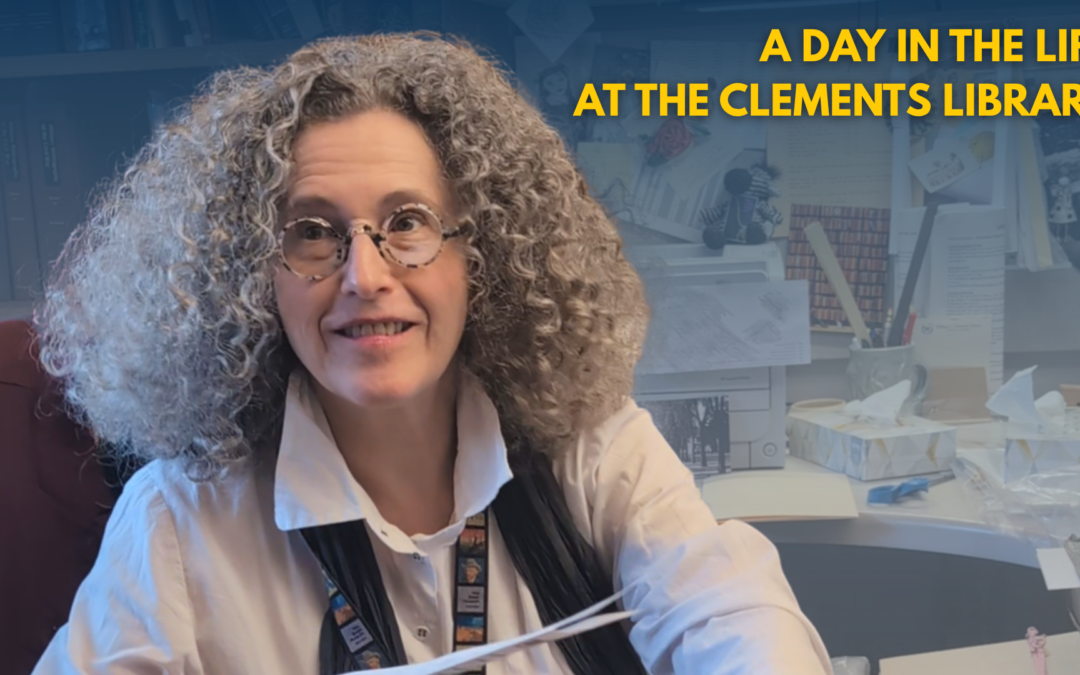
A Day in the Life at the Clements Library: Oksana Linda
Welcome to “A Day in the Life at The Clements Library!” On the fourth edition of this series, we will meet with Oksana Linda, the Rare Book Cataloger at the Clements Library!
Welcome to “A Day in the Life at The Clements Library!” On the fourth edition of this series, we will meet with Oksana Linda, the Rare Book Cataloger at the Clements Library!
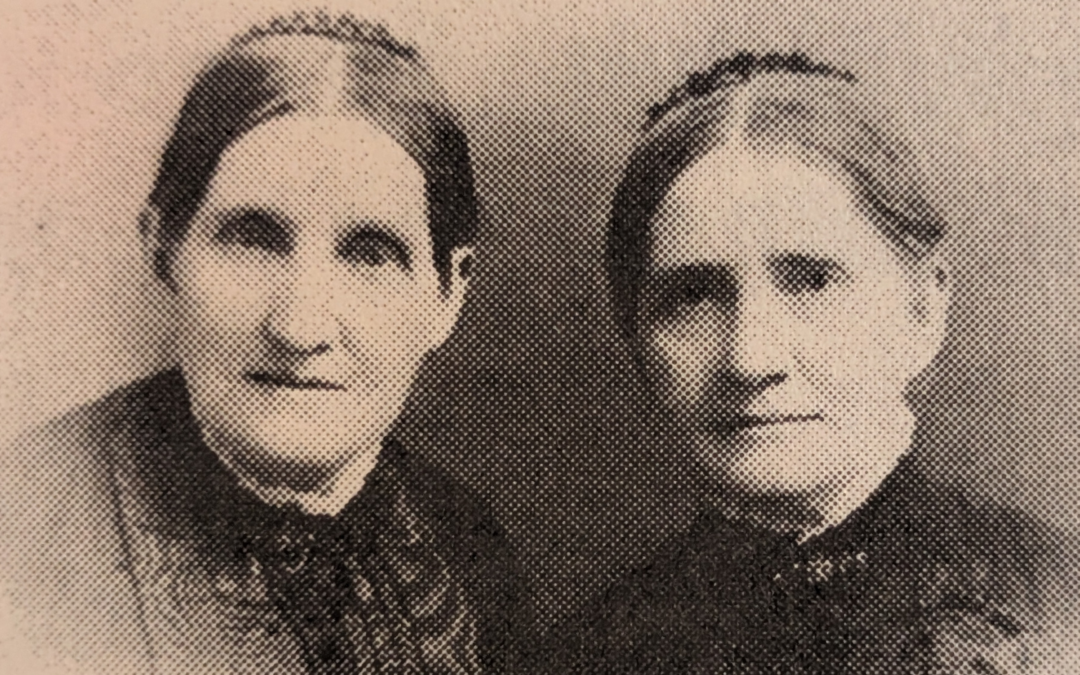
“An Offense on the Home Front” peaks with the stoic elegance that my great-great grandmother demonstrated in dealing with “uncouth rebel youth.”
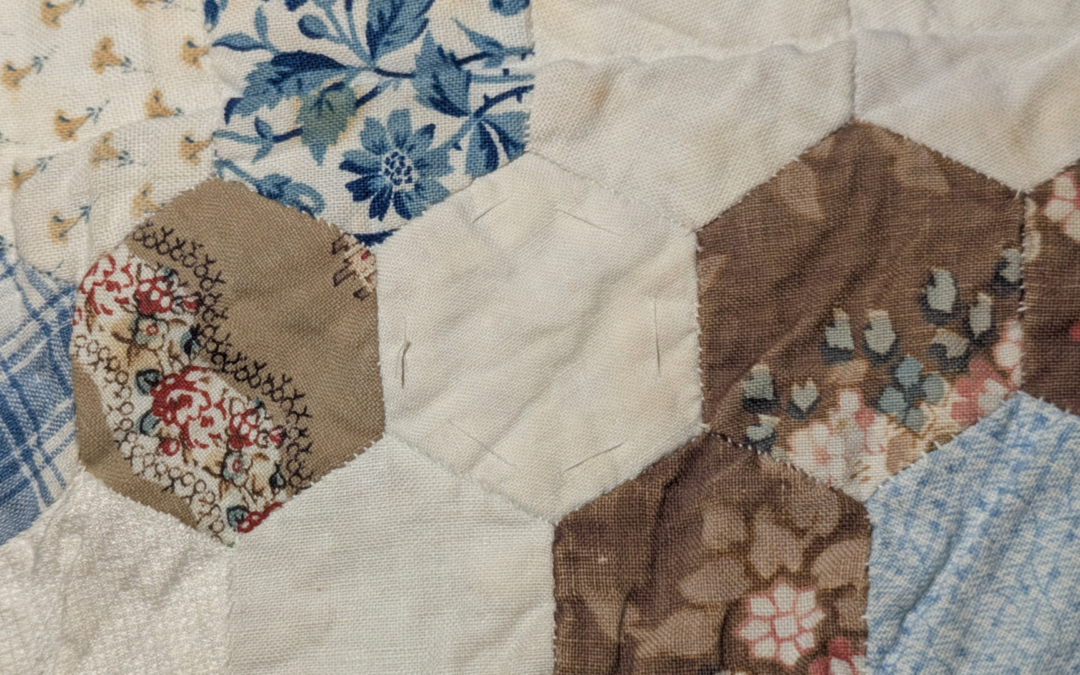
There are some things the written word just will not tell us, which is why we’ve always been so drawn to the material objects that get saved alongside them. The exquisite, oversized quilt that came to the Clements Library as part of an addition to the Weld-Grimké Family Papers from donor descendant Charlotte Mason in 2007 demonstrates this particularly well.
Finding what you are looking for can seem daunting in the robust, world-class collection of the William L. Clements Library. Students, professors, and professional researchers reach out to our staff every day for help locating items on specific topics. This blog post briefly describes some methods for searching our collection and some resources that may help.
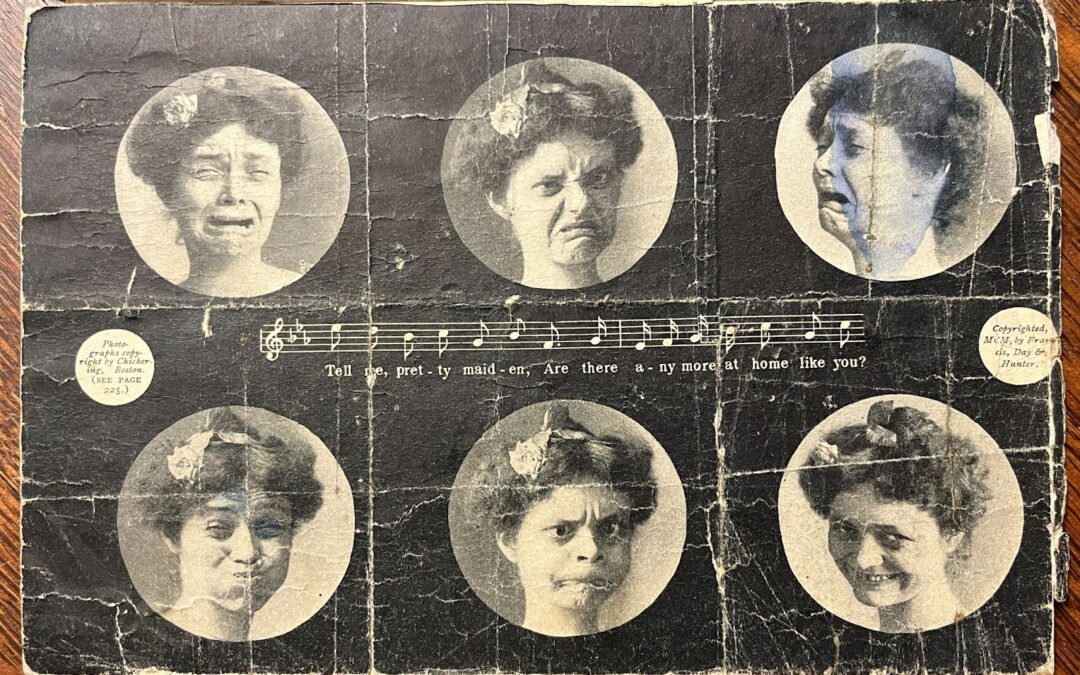
This past month, 19 new manuscript finding aids were made available online. Seven of those were written by our wonderful student interns! These collections offer glimpses into the everyday lives of a farmer and a sheriff, reflections on experiences as a prisoner of war, business records, and more.
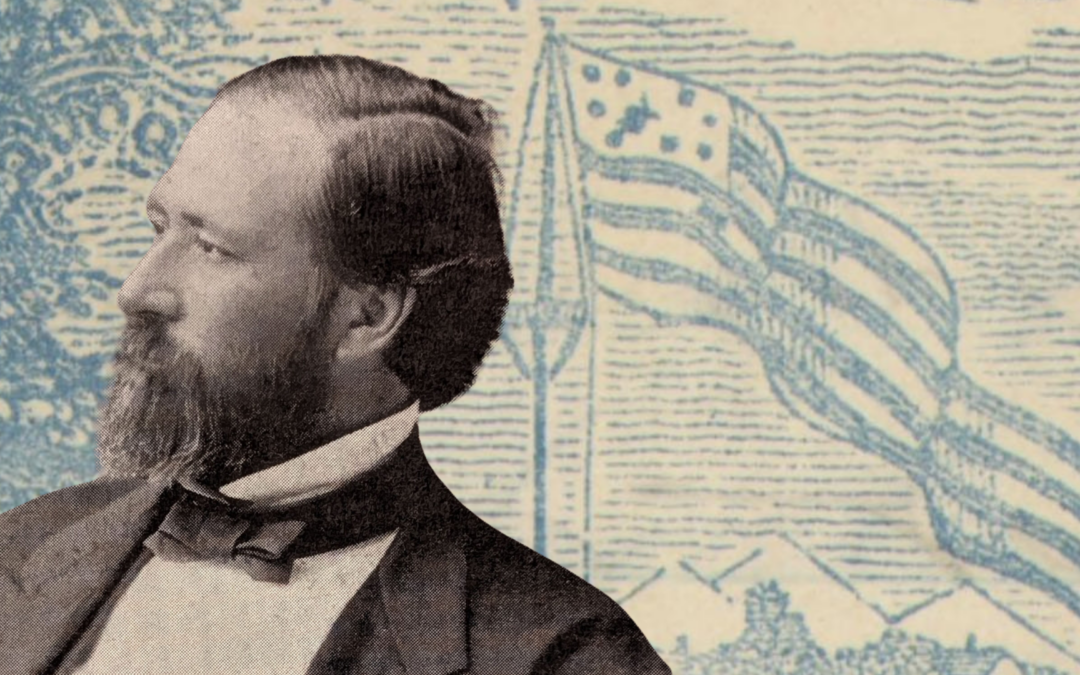
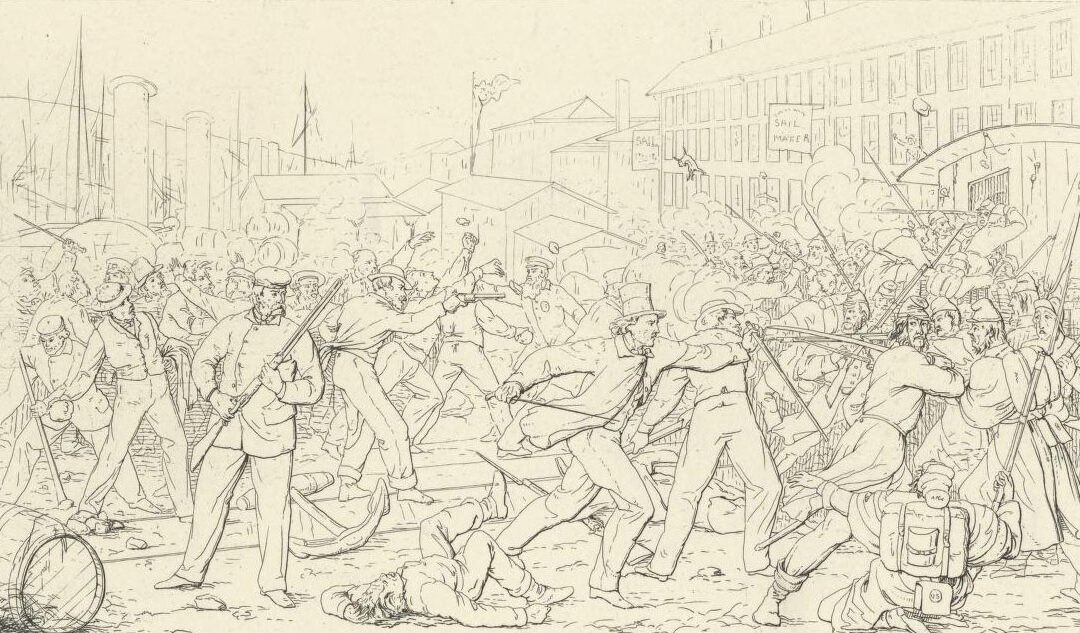
Guest blog post by Wendy Chapin Ford ’77. In a three part series, she shares poetry based on her relatives’ experiences during the Civil War and the Clements provides illustrations.